Key Takeaways
A powerful 6.5 magnitude earthquake struck Mexico, killing two and causing damage. Understand the immediate aftermath, recovery efforts, and Mexico’s seismic preparedness.
Overview
A powerful magnitude 6.5 earthquake struck southern and central Mexico on Friday, claiming the lives of at least two individuals. The seismic event, centered near the popular tourist hub of Acapulco in the southwestern state of Guerrero, led to moderate damage across the region, prompting immediate emergency responses across Mexico. This incident highlights ongoing current affairs and natural disaster preparedness efforts in the country.
For general readers and news consumers, understanding the immediate human toll and structural impacts of such events is crucial. Mexico, a country highly susceptible to seismic activity, consistently navigates the challenges of protecting its citizens and infrastructure, making today updates on such occurrences vital for global awareness.
Key initial reports confirmed the death of a 50-year-old woman in Guerrero and a 60-year-old man in Mexico City, with 12 people sustaining injuries. Authorities reported 420 aftershocks by midday local time, with power restored to 98% of affected areas in Mexico City by late Friday night.
The unfolding situation calls for a closer look at the immediate aftermath, the country’s established alert systems, and the broader implications for public safety and disaster resilience in this seismically active nation.
Detailed Analysis
Mexico stands as one of the world’s most seismically active nations, a geographical reality shaped by its location atop several major tectonic plates. This inherent geological dynamism translates into frequent seismic events, making earthquake preparedness a fundamental aspect of daily life and governance. This latest magnitude 6.5 earthquake, though not as catastrophic in terms of fatalities as some historical events, serves as a poignant reminder of this persistent challenge. The country’s history is punctuated by devastating tremors, notably the 1985 earthquake which claimed over 10,000 lives and the 2017 event, a magnitude 7.1 quake that led to more than 200 deaths and the collapse of dozens of buildings in Mexico City. These past tragedies underscored the urgent need for robust early warning systems and comprehensive disaster response protocols, leading to the development and implementation of the Mexican Seismic Alert System. This system, which sounded early on Friday, played a crucial role in enabling residents and tourists in affected areas like Mexico City and Acapulco to take preventive action, rushing into the streets as the ground began to shake. The strategic location of the epicenter near San Marcos, Guerrero state, a region known for its tourist appeal, also brings unique considerations regarding visitor safety and infrastructure resilience in an economically vital area. The seismic activity even interrupted President Claudia Sheinbaum’s first press conference of the year, with her calmly instructing the media to evacuate, highlighting the pervasive nature of these events in Mexico’s public consciousness and daily life.
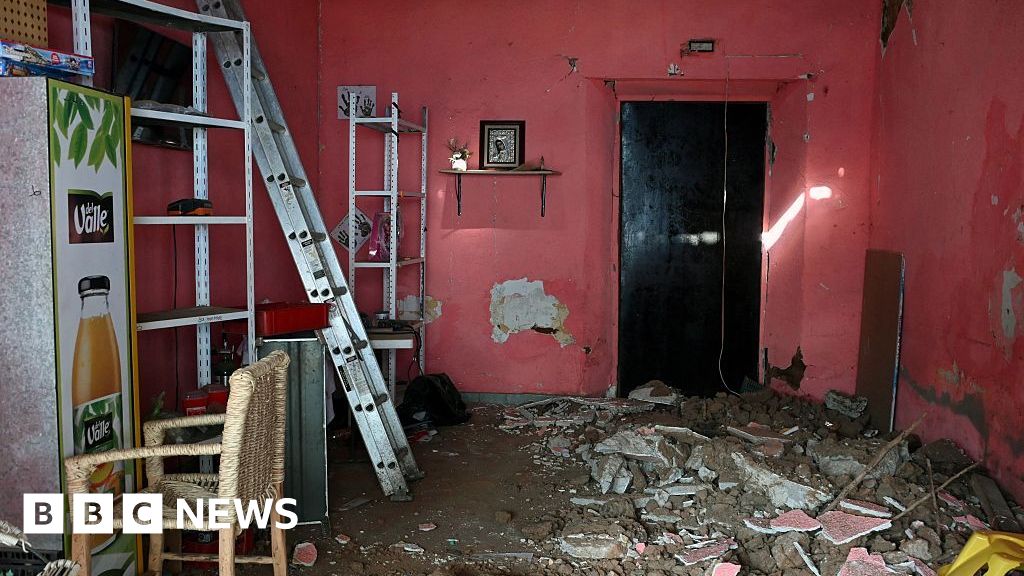
The immediate aftermath of Friday’s earthquake revealed a precise picture of human impact and structural resilience. Tragically, a 50-year-old woman in the state of Guerrero and a 60-year-old man in Mexico City lost their lives, marking the most profound consequence of the tremor. Additionally, 12 individuals sustained injuries, receiving necessary medical attention. While initial reports indicate moderate damage, particularly in the Guerrero state, authorities in Mexico City swiftly initiated comprehensive damage assessments. These inspections included two structures being evaluated for potential collapse, alongside preventative checks on 34 buildings and five private homes. Critical infrastructure, such as roads and hospitals, experienced impacts, with several landslides reported on highways around Guerrero, disrupting transportation and potentially impeding emergency response. The seismic activity did not cease with the initial jolt; Mexico’s seismological service recorded a significant 420 aftershocks by midday local time, emphasizing the ongoing instability in the region. Despite these challenges, Mexico City’s mayor, Clara Brugada, confirmed a commendable recovery effort, with power restored to 98% of the reported failures in the capital by late Friday night. This rapid restoration underscores the efficiency of emergency services and utility providers in a city well-versed in disaster response, providing a crucial today update for residents.
Comparing this event to Mexico’s seismic history offers valuable insights into the evolution of its preparedness and response mechanisms. While the 6.5 magnitude quake is significant, the relatively low casualty count of two fatalities, compared to the 2017 (7.1 magnitude, 200+ deaths) and 1985 (10,000+ deaths) earthquakes, suggests improvements in infrastructure resilience and, critically, the effectiveness of the Mexican Seismic Alert System. This system, established after the catastrophic 1985 event, provided precious seconds for evacuation, a testament to the nation’s commitment to learning from past tragedies. The moderate damage, despite the quake’s intensity, also indicates that building codes and emergency protocols have likely strengthened, especially in urban centers like Mexico City. The swift restoration of power to nearly all affected areas in the capital highlights efficient utility management, contrasting with potentially prolonged outages in less prepared regions globally. The constant threat of aftershocks, with 420 recorded, underscores the ongoing challenge and the need for continuous vigilance, even after the main event. This sustained seismic activity places Mexico in a unique position globally, necessitating a perpetual state of readiness, exemplified by official advice to always keep a ‘Life Backpack’ ready, equipped with essentials for survival in the initial hours of a disaster, a measure vital for India news consumers to understand in context of global disaster preparedness.
For General Readers and News Consumers, this Mexico earthquake serves as a compelling case study in disaster preparedness and resilience in a highly active seismic zone. In the short term, the focus remains on completing damage assessments, ensuring the safety of all residents, and supporting recovery efforts for the injured and displaced. The swift power restoration in Mexico City provides a positive immediate outcome, but attention must shift to ongoing structural integrity checks and clearing affected transport routes, especially in Guerrero state. In the medium term, authorities and communities will likely evaluate the efficacy of current emergency responses, identify areas for improvement, and continue public awareness campaigns, particularly regarding the importance of a ‘Life Backpack’ — an essential kit containing items like a flashlight, radio, water, non-perishable food, warm clothing, and critical document photocopies, designed to aid survival in the crucial first hours post-disaster. The long-term implications underscore Mexico’s unwavering commitment to seismic engineering, urban planning that accounts for tremors, and the continuous enhancement of its early warning systems to protect its population. Stakeholders, from local residents and tourists to government officials and emergency services, face continuous risk. Monitoring next steps involves observing the full extent of recovery efforts, any policy adjustments made in light of this event, and the ongoing scientific analysis of the aftershocks to inform future preparedness strategies, providing crucial India News and Current Affairs context for understanding global resilience.
About the Author