Key Takeaways
BCCI asks KKR to release Mustafizur Rahman for IPL 2026 amid political storm. Understand the shock, KKR’s next steps, and wider implications for the league.
Overview
In a stunning development that has sent shockwaves across the cricketing fraternity, the Board of Control for Cricket in India (BCCI) has intervened directly, instructing the Kolkata Knight Riders (KKR) to release star Bangladeshi pacer Mustafizur Rahman from their squad. This unprecedented move comes ahead of the highly anticipated 2026 Indian Premier League (IPL) season, amid a growing political storm.
This decision reverberates deeply with Sports Fans, Cricket Enthusiasts, and Sports Analysts alike, fundamentally altering KKR’s meticulously planned bowling attack. It highlights the unforeseen external pressures impacting even the biggest sports leagues, leaving fans buzzing about the IPL’s new dynamics.
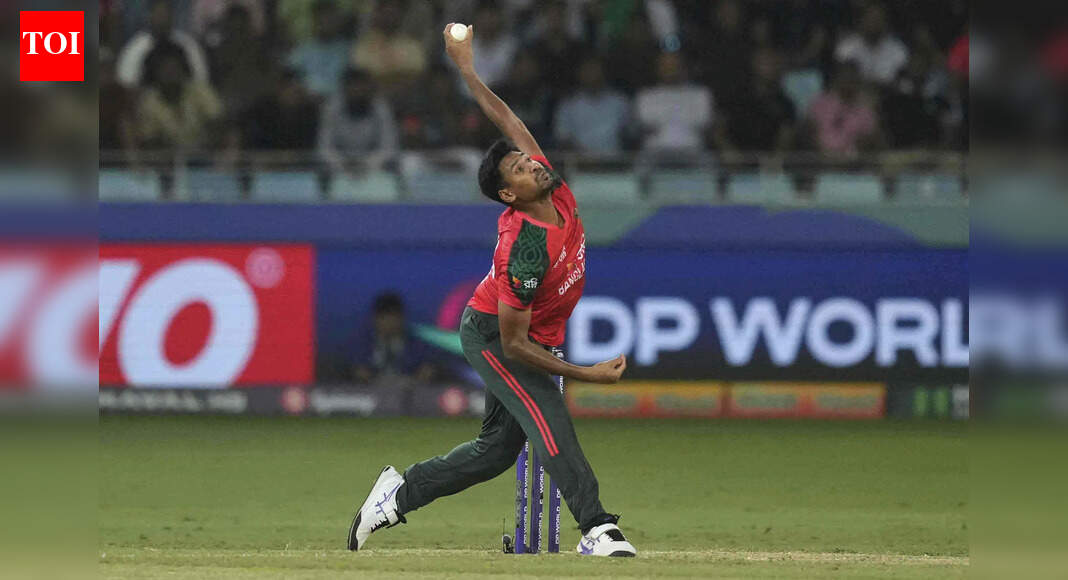
KKR had secured the 30-year-old left-armer for a substantial Rs 9.20 crore, outbidding Chennai Super Kings and Delhi Capitals at the recent auction from a base price of Rs 2 crore. The franchise viewed him as a vital overseas option to bolster their pace battery for the 2026 IPL season.
The immediate fallout is clear: KKR faces a critical void. This article offers dynamic sports analysis, exploring the political whirlwind, its cricketing ramifications, and what this means for KKR’s quest for IPL glory.
Detailed Analysis
The Indian Premier League stands as a beacon of global cricket, renowned for its exhilarating matches, star-studded lineups, and intense bidding wars. Each season, franchises meticulously craft their squads, often investing colossal sums in overseas talent to achieve a winning combination. Mustafizur Rahman, with his lethal left-arm pace and cunning variations, was exactly the kind of match-winner KKR believed they had secured. His acquisition for Rs 9.20 crore wasn’t just a financial transaction; it was a strategic statement, positioning him as a cornerstone of their 2026 IPL bowling attack. The IPL auction, a spectacle in itself, saw an intense bidding battle with Chennai Super Kings and Delhi Capitals vying for his services, underscoring his perceived value. For KKR, the “Fizz” was meant to provide crucial depth and an X-factor. The subsequent BCCI intervention, therefore, isn’t merely a roster change; it’s a dramatic twist in the pre-season narrative, elevating a purely cricketing decision into a complex geopolitical discussion, a scenario rarely witnessed with such direct impact.
The financial implications for KKR remain significant, having committed Rs 9.20 crore to secure Mustafizur Rahman, outbidding rivals from his Rs 2 crore base price. While BCCI secretary Devajit Saikia confirmed KKR’s eligibility for a replacement, this abrupt directive severely disrupts their strategic planning. Mustafizur, a seasoned 30-year-old left-arm pacer, was poised to add a crucial dimension to KKR’s attack, offering experience and wicket-taking ability, particularly in death overs. His absence creates an immediate tactical challenge, forcing a recalibration of overseas player slots for the 2026 IPL. The root of this intervention, as Saikia hinted, lies in “recent developments all across.” This encompasses a “political storm” ignited by sections of the Bharatiya Janata Party and religious organisations. Their objections specifically cited the strain in India–Bangladesh relations and concerns over reported violence in Bangladesh, including the tragic killing of a Hindu man. What began as a cricketing call rapidly escalated into a sensitive geopolitical conversation, unexpectedly embroiling the league and its stakeholders.
Historically, the IPL has largely insulated itself from direct political interventions impacting player recruitment. While national duty or injury withdrawals are common, a governing body directive to release a player due to external political objections sets a concerning precedent. This contrasts sharply with previous seasons where diverse international players participated without such direct interference. The current scenario places the IPL in a delicate position, balancing its immense commercial interests and global appeal with national sensitivities. It compels a re-evaluation of the ‘business as usual’ approach to player auctions. Future acquisitions, especially those from politically sensitive regions, might now undergo increased scrutiny, potentially influencing franchise strategies to favor players from less contentious backgrounds, thereby avoiding similar complications in upcoming IPL seasons.
For Sports Fans, Cricket Enthusiasts, and Sports Analysts, KKR’s immediate challenge is securing a suitable replacement for Mustafizur Rahman. This isn’t just about filling a roster spot; it’s finding a player delivering the quality and experience of a seasoned international left-arm pacer. The hunt for a replacement will become a key storyline leading into the 2026 IPL, with fans eagerly watching KKR’s management moves. Beyond KKR, this incident raises profound questions about the IPL’s susceptibility to external pressures, posing a significant risk to the league’s integrity. Moving forward, closely monitor BCCI’s communication, KKR’s replacement announcement, and any subsequent policy changes concerning player acquisitions under similar geopolitical circumstances. The implications extend beyond KKR, potentially reshaping how foreign talent is viewed and integrated into future IPL seasons.
About the Author