Key Takeaways
Former NYC Mayor Eric Adams fires back at Andy Cohen, alleging a drinking problem after Cohen’s New Year’s Eve critique. Explore the public spat and its implications.
Overview
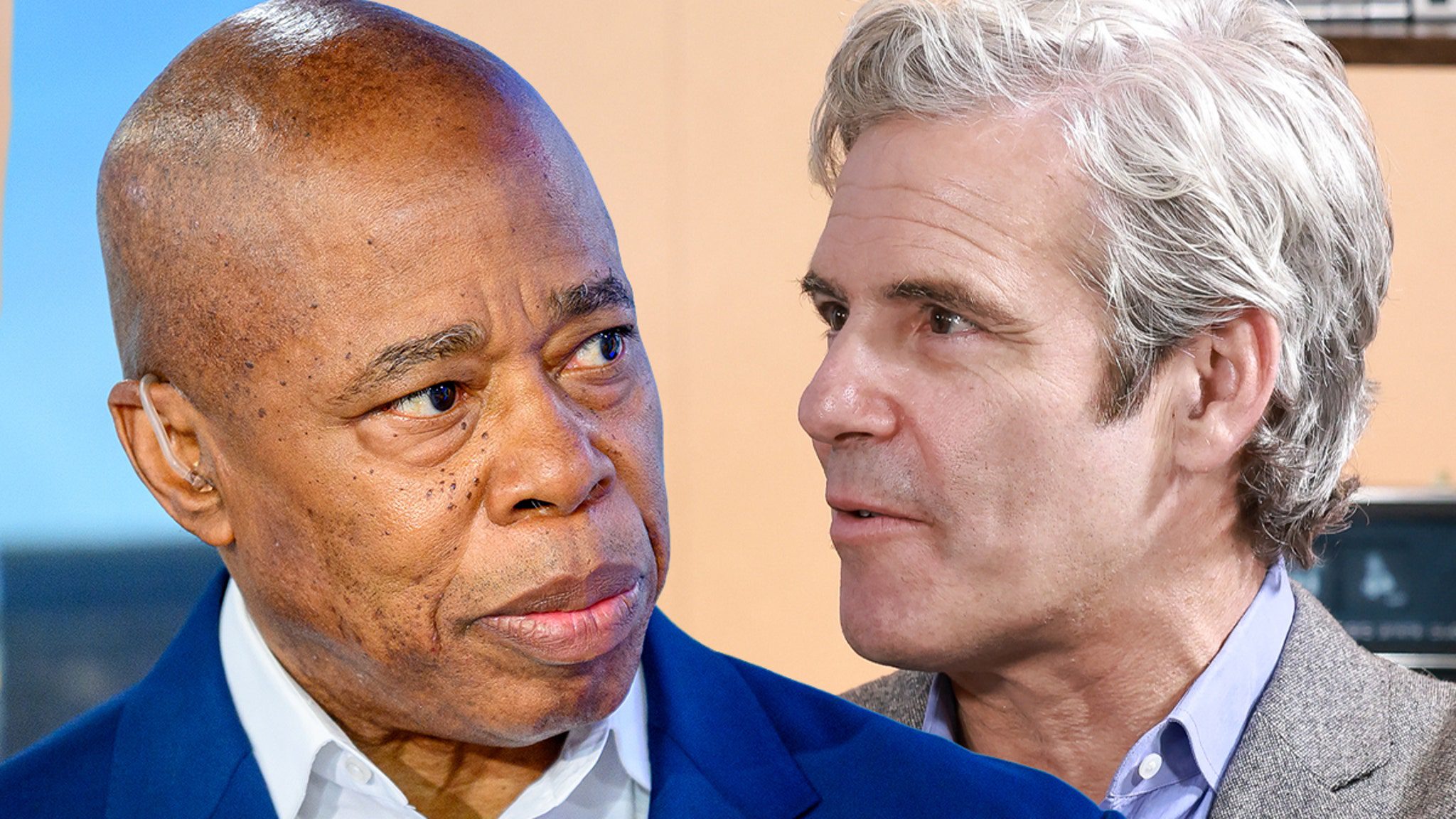
In a striking public dispute, former New York City Mayor Eric Adams has fired back at television personality Andy Cohen, alleging Cohen has a significant drinking problem and suggesting he needs Alcoholics Anonymous (AA). This sharp retort came after Cohen’s highly publicized, inebriated critique of Adams’ mayoral term during a national New Year’s Eve broadcast.
The heated exchange highlights the often-volatile intersection of politics and entertainment, drawing immediate attention from general readers and news consumers across India and globally. Adams’ direct accusation on social media platform X has ignited a broader discussion about public conduct and accountability, especially for high-profile figures.
Adams explicitly stated that public intoxication is a disease, claiming New Yorkers are concerned for Cohen’s well-being. This response directly addresses Cohen’s earlier televised comments, which labeled Adams’ four-year tenure as “chaotic” and urged him to retire from public office.
This current affairs development underscores immediate reactions from political figures to public criticism and sets a precedent for how such high-stakes personal attacks unfold in the digital age. Readers will find an in-depth analysis of the controversy’s context and its potential implications.
Detailed Analysis
The public clash between outgoing New York City Mayor Eric Adams and media personality Andy Cohen during the festive New Year’s Eve celebrations has quickly escalated into a significant general news story. This incident unfolded against the backdrop of Adams’ final hours in office, just before he officially handed over the keys to City Hall to incoming Mayor Zohran Mamdani. The timing adds a particular layer of context, as Adams’ remarks can be seen as a parting shot, defending his administration’s legacy on the very day of his transition.
New Year’s Eve broadcasts, particularly those from Times Square, hold a unique place in popular culture, often featuring unscripted moments and candid commentary from hosts. Andy Cohen, known for his unfiltered style, utilized this prominent national platform on CNN to deliver a scathing critique of Adams’ time as mayor. This type of celebrity commentary, directly aimed at political figures during a widely watched event, inevitably garners widespread attention and often precipitates strong reactions.
Adams’ decision to respond via X, a platform known for its immediacy and directness, further amplified the situation. His post served not only as a rebuttal but also as a counter-accusation, shifting the focus from Cohen’s political critique to Cohen’s personal conduct. This rapid-fire exchange across different media underscores modern communication dynamics, where public figures can instantly engage in high-stakes debates, bypassing traditional media filters and reaching a broad audience directly.
The core of the dispute originated from Andy Cohen’s “boozed-up” appearance on CNN’s New Year’s Eve broadcast, during which he launched into an impassioned critique of Eric Adams. Cohen reportedly described Adams’ four-year term as “chaotic” and went so far as to publicly urge the former mayor to retire. This direct and unfiltered commentary, delivered on live national television, put his co-hosts, Anderson Cooper and BJ Novak, in an awkward position, as they reportedly attempted to “shut him down.” Their efforts were, however, “futile,” highlighting Cohen’s determined stance and the uncontainable nature of live television.
Eric Adams’ response was equally direct and notably personal. Taking to X, Adams posted a message claiming that Cohen needed “AA,” a common abbreviation for Alcoholics Anonymous. He further elaborated on his concern, asking anyone who cared about Cohen to offer him help, adding that New Yorkers themselves were worried because “public intoxication is a disease.” This statement marks a significant escalation, moving beyond political disagreement to a direct accusation about Cohen’s personal health and well-being.
In his counter-argument, Adams also invoked his administration’s perceived success, stating that Cohen was only safe in Times Square during the broadcast because “we did our job.” This comment subtly links his administration’s public safety efforts to the event, attempting to pivot Cohen’s criticism back to a defense of his governance. The detailed breakdown of these exchanges reveals a multi-layered conflict, encompassing political performance, public safety, personal conduct, and the responsibility of media figures.
This public dispute between Eric Adams and Andy Cohen resonates with similar instances where prominent political and entertainment figures clash in the public sphere. While specific data on comparable incidents is not disclosed, the general pattern often involves a celebrity using their platform for political commentary, followed by a sharp retort from the targeted politician. Such exchanges frequently escalate rapidly, particularly when social media is involved, as seen with Adams’ post on X. This direct and often unmoderated form of communication bypasses traditional media gatekeepers, leading to immediate and sometimes volatile public dialogue.
The incident also provides a lens into the varying standards of public discourse. Cohen’s televised rant, while undoubtedly critical of Adams’ political record, crossed into an area of personal attack by being delivered while he was visibly intoxicated. Adams’ counter, in turn, veered into personal health accusations. This dynamic contrasts with more formal political debates or measured media critiques, highlighting the sensational nature of these celebrity-politician feuds.
From the perspective of public figures, such confrontations carry inherent risks and opportunities. For Adams, it was a chance to defend his legacy and turn the tables on his critic, albeit with a highly personal accusation. For Cohen, it solidified his persona as an outspoken commentator, but potentially at the cost of his professional image due to his intoxicated state. The swift public reaction and widespread media coverage of this incident underscore how such high-profile verbal duels can quickly dominate current affairs and shape public perception.
For general readers and news consumers, the Eric Adams-Andy Cohen dispute offers a compelling look at the blurred lines between political commentary, entertainment, and personal attacks in the public eye. This incident prompts important questions about the decorum expected from public figures, whether they are politicians or media personalities, especially when addressing sensitive issues like leadership and personal health on national platforms.
The immediate impact includes a significant media buzz around both Adams and Cohen, potentially influencing their respective public images. Adams, having just left office, used this opportunity to reaffirm his administration’s efforts, while Cohen’s actions sparked debate about responsible conduct during live broadcasts. The broader implications suggest a continuing trend of politicians directly engaging with their critics, often employing similar tactics of personal counter-accusation, rather than solely relying on formal responses.
Moving forward, general readers should monitor for any subsequent statements or apologies from Andy Cohen or CNN regarding the New Year’s Eve broadcast. Additionally, public reactions in New York City and broader national sentiment regarding both Adams’ defense of his tenure and Cohen’s on-air conduct will be key indicators of the lasting impact of this unusual public spat. This event serves as a vivid reminder of the immediate and far-reaching consequences of high-profile disagreements in today’s interconnected media landscape, shaping today’s updates and future current affairs discussions.
About the Author