Key Takeaways
French manufacturing saw its fastest growth in over three years this December, driven by strong exports. Understand the implications for the global economy and current affairs.
Overview
French manufacturing demonstrated a remarkable surge in December, achieving its fastest growth rate in over three years. This significant upturn was primarily propelled by robust export performance, signaling a robust and promising recovery trend within the sector.
For general readers and news consumers, this development is a critical indicator of strengthening global economic activity. It reflects positively on international trade dynamics and could indirectly influence overall market stability and sentiment worldwide, including in economies like India.
The latest Purchasing Managers’ Index (PMI) data underscored this acceleration, clearly indicating how a significant boost in international demand is invigorating the French manufacturing sector. Specific quantitative PMI figures for the month were not detailed in the immediate report.
This analysis delves into the immediate impacts and potential long-term implications of this sustained French manufacturing growth, offering essential context for understanding today’s global current affairs.
Detailed Analysis
France, as a major economy within the Eurozone, sees its manufacturing sector play a pivotal role in national and regional economic health. The Purchasing Managers’ Index (PMI) is a crucial economic indicator, providing an early insight into the health of the manufacturing sector. A reading above 50 generally indicates expansion, while below 50 suggests contraction. The reported acceleration in December, reaching a three-year high, suggests a robust rebound from previous economic headwinds, which have included global supply chain disruptions, inflationary pressures, and energy crises that collectively impacted industrial output across Europe for an extended period.
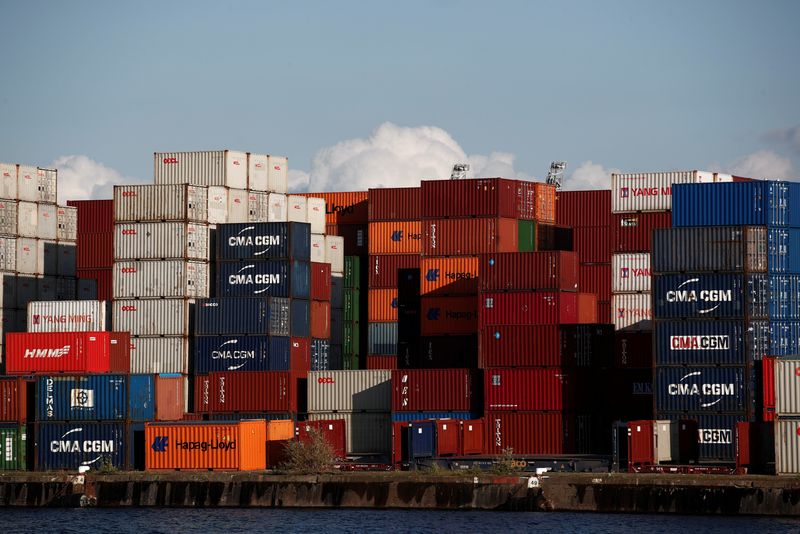
The core driver behind this impressive performance is the resurgence in exports. Strong international demand for French goods signifies not only the competitiveness of French manufacturers but also a broader recovery in global consumer and business spending. An increase in export orders typically leads to higher production volumes, enhanced capacity utilisation, and potentially new job creation within the manufacturing ecosystem. While specific industries contributing most to this export-led boom were not detailed, historically, sectors like automotive, aerospace, luxury goods, and specialized machinery have been strong export contributors for France, reflecting the nation’s diverse industrial base. This robust output contributes directly to the overall Gross Domestic Product (GDP) and strengthens the nation’s trade balance.
Comparing France’s December manufacturing growth with broader trends in the Eurozone provides valuable context. While specific comparative data is not available, a strong showing by one of the bloc’s largest economies often signals positive spill-over effects for other member states through interconnected supply chains and trade relationships. This performance could also indicate a greater resilience in European manufacturing compared to some other global regions, which may still be grappling with economic uncertainties. Such an export-driven expansion can help mitigate internal economic challenges, bolstering the Eurozone’s position in the global trade landscape amidst fluctuating geopolitical and economic conditions.
For general readers, the sustained momentum in French manufacturing translates into several tangible implications. Firstly, it can lead to a more stable supply of goods in global markets, potentially contributing to price stability and availability of various products. Secondly, it could foster positive economic sentiment, indirectly impacting global investment and consumption patterns. However, key risks include an over-reliance on export markets, making the sector vulnerable to any future global economic slowdowns or shifts in trade policies. Opportunities lie in increased employment, technological advancements spurred by demand, and a more robust economic outlook for France and, by extension, parts of Europe. Going forward, consumers and news watchers should monitor subsequent PMI reports, the evolution of global trade indicators, and any policy decisions from the European Central Bank, all of which will shape the trajectory of this renewed economic vigor and its impact on current affairs.
About the Author