Key Takeaways
EAM Jaishankar discusses India’s neighbourhood policy, emphasizing the nation’s right to defend against terrorism. Understand key statements & implications.
Overview
External Affairs Minister S Jaishankar’s recent remarks on India’s neighbourhood policy, specifically targeting nations that persist with terrorism, mark a firm articulation of the nation’s strategic stance. His comments underscore a pivotal shift in diplomatic discourse regarding regional security challenges.
These statements offer general readers and news consumers a crucial insight into India’s unwavering commitment to its sovereignty and the protection of its citizens, especially concerning cross-border threats.
Jaishankar explicitly asserted India’s “right to defend our people against terrorism” and clarified that “goodwill cannot coexist with continued hostility,” referencing the Indus Waters Treaty.
This declaration provides vital context for understanding current Indian foreign policy and its future implications in the subcontinent.
Detailed Analysis
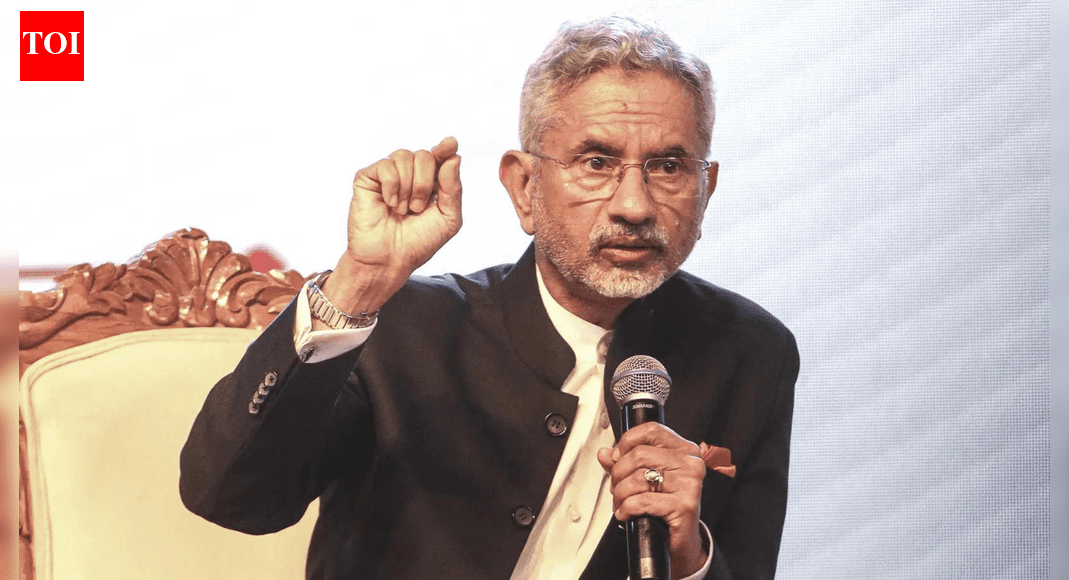
The discourse on India’s neighbourhood policy often revolves around its strategic posture towards bordering nations. External Affairs Minister S Jaishankar’s recent address at IIT Madras offered a clear articulation of this policy, particularly his stern remarks aimed at countries that “deliberately, persistently, and unrepentantly continue with terrorism.” This public statement, widely interpreted as a veiled reference to Pakistan, comes against a backdrop of deeply strained bilateral ties, exacerbated by past terror incidents such as the Pahalgam attack in Jammu and Kashmir, which claimed 26 civilian lives and was attributed to Pakistan-backed elements. Understanding this historical context of cross-border terrorism is crucial for comprehending the gravity and implications of Jaishankar’s declaration. India has consistently emphasized that dialogue and engagement are contingent upon an environment free from terror, a principle central to its diplomatic framework. His comments resonate with a broader national sentiment demanding resolute action against such threats.
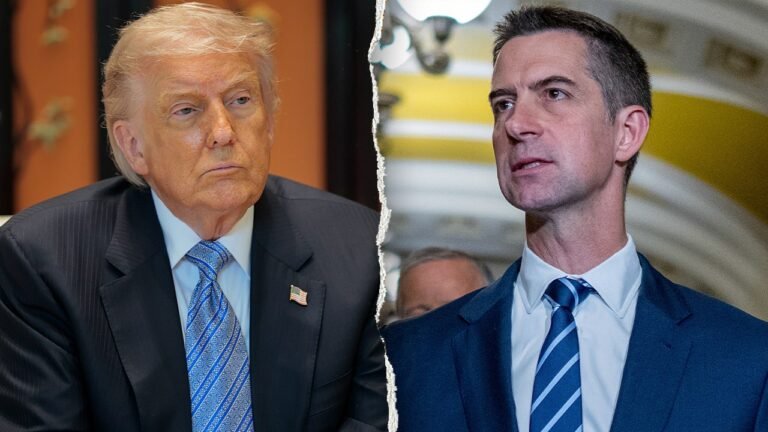
Jaishankar’s assertion that “India has a right to defend our people against terrorism” and its resolve to “exercise that right” underscores a firm shift from previous diplomatic ambiguities. He firmly dismissed any external interference in India’s sovereign defense decisions, stating, “Nobody can tell us what we should or should not do. We will do whatever we have to do to defend ourselves.” This statement clearly signals India’s commitment to strategic autonomy in its foreign and security policy, pushing back against any notions of mediation, such as those previously suggested by then-US President Donald Trump. Furthermore, the minister connected the persistence of terrorism with the viability of bilateral agreements, specifically mentioning the now-suspended Indus Waters Treaty. He argued that “goodwill cannot coexist with continued hostility,” making it clear that a nation cannot expect cooperation on vital resources like water while simultaneously sponsoring terrorism. This linkage highlights a more transactional and less accommodative approach to relationships with hostile neighbours, tying cooperation directly to a cessation of inimical activities.
India’s stance, as articulated by Jaishankar, starkly contrasts with traditional diplomatic frameworks that often separate humanitarian or resource-sharing agreements from security concerns. By linking the Indus Waters Treaty to the issue of terrorism, India signals a departure from a purely legalistic interpretation of such pacts, emphasizing the spirit of “good neighbourliness.” Historically, India has often absorbed the cost of cross-border terrorism while maintaining some level of engagement or adherence to treaties. This current position, however, indicates a readiness to reassess and potentially leverage various aspects of bilateral relations in response to persistent threats. Compared to previous administrations, the current government’s approach appears more assertive and less hesitant to call out specific actions by neighbouring states. This shift reflects a growing impatience with the status quo and a determination to impose consequences for hostile behaviour, moving towards a more proactive and less reactive foreign policy.
For general readers and news consumers, Jaishankar’s statements offer a vital window into India’s hardened foreign policy posture. The immediate takeaway is India’s unambiguous resolve to protect its national interests and citizens from terrorism, without bowing to external pressures or conditionalities. This signals a more self-reliant and decisive approach to regional security in current affairs. In the medium term, this policy might lead to further diplomatic isolation for nations that continue to sponsor terrorism, as India could intensify its efforts to build international consensus against such practices. Citizens should monitor how this assertive stance translates into specific diplomatic actions and its impact on regional stability. The long-term implication suggests a redefinition of regional power dynamics, where India’s strategic autonomy and its right to self-defense will be non-negotiable. This firm position aims to safeguard national security while shaping a more accountable neighborhood, impacting India News and Today Updates.
About the Author