Key Takeaways
Quinta Brunson addresses pregnancy rumors ignited by a bulky sweater, highlighting broader celebrity privacy concerns. Understand why public figures value their personal space.
Overview
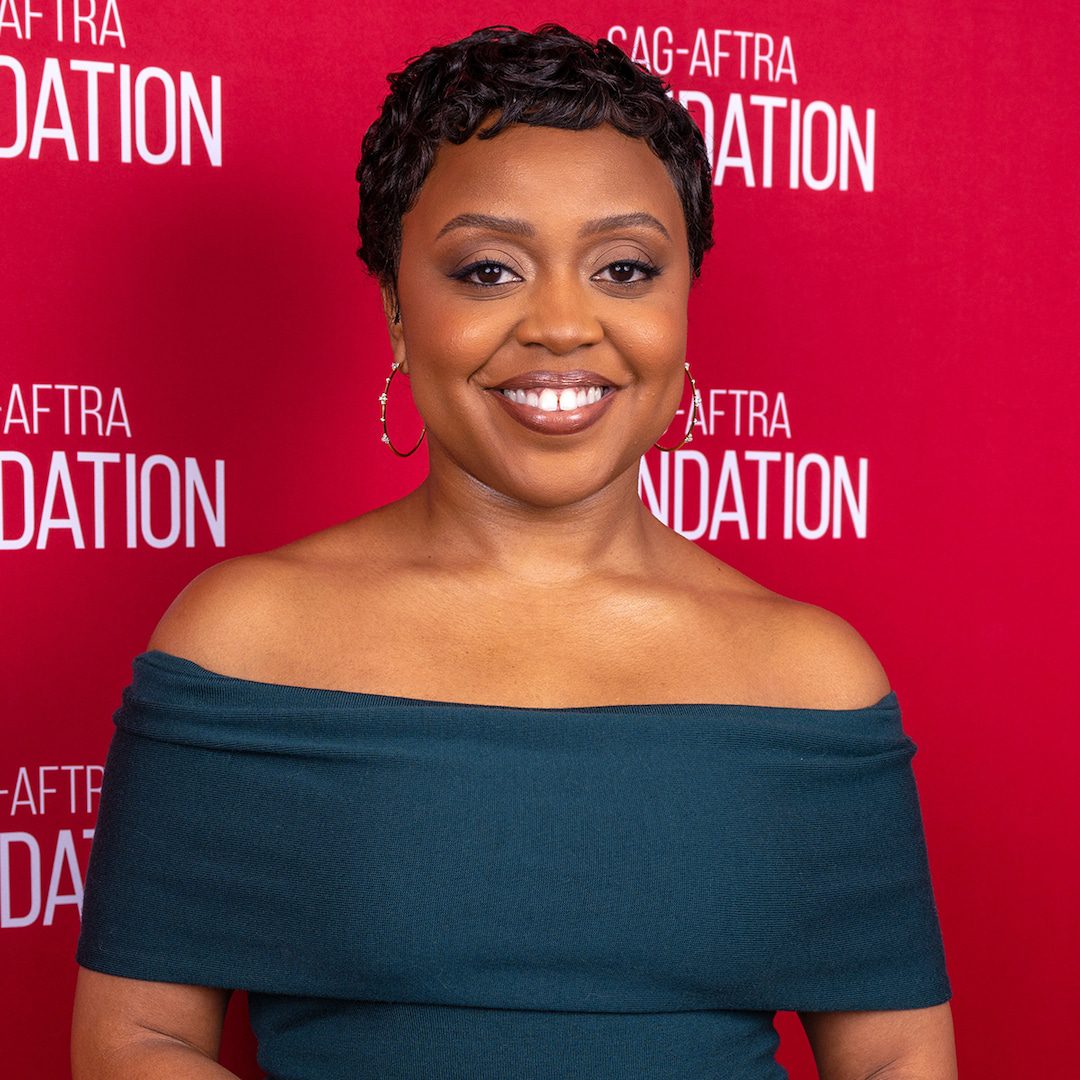
Quinta Brunson, the acclaimed star of Abbott Elementary, has swiftly dismissed recent online speculation regarding her pregnancy. Rumors circulated after she was photographed in a bulky sweater at a New Year’s Eve celebration, with some observers interpreting the garment’s fit as a sign of pregnancy. This incident underscores a recurring theme in celebrity news: the intense public scrutiny of personal lives, even for figures who prefer privacy.
The quick denial from Brunson highlights the challenges public figures face in maintaining personal boundaries amidst pervasive social media commentary. Her direct response aimed to clarify the situation, emphasizing a simple wardrobe malfunction rather than a significant life event. Such immediate clarifications are crucial in today’s fast-paced news cycle to prevent misinformation from gaining traction among general readers and news consumers.
Brunson, 36, explicitly stated on her Instagram Story, “Not preggers. Sweater in odd position.” She humorously added, “Not 2026 already getting my ass,” referencing her festive “2026” headband.
This event serves as a timely reminder of the broader discussions around celebrity privacy, prompting audiences to consider the implications of rapid speculation and the importance of verified information in current affairs.
Detailed Analysis
The recent episode involving Quinta Brunson and the swift denial of pregnancy rumors offers a compelling look into the dynamics of celebrity culture and public perception in the digital age. In a landscape saturated with social media and immediate access, even innocent sartorial choices can ignite widespread speculation, underscoring the constant battle for privacy faced by public figures. Brunson’s situation is not an isolated incident but rather a microcosm of a larger trend where every move, outfit, or gesture of a prominent personality becomes fodder for public dissection. This constant scrutiny often blurs the lines between professional and personal life, creating an environment where celebrities must actively manage their narratives against a backdrop of eager, sometimes intrusive, public curiosity. It also highlights the growing responsibility of news consumers to critically evaluate information before accepting online chatter as fact, especially concerning personal matters.
Brunson’s direct and humorous approach to dispelling the rumors, using her Instagram Story, represents a modern strategy for celebrities to reclaim their narrative. By stating, “Not preggers. Sweater in odd position,” she directly addressed the root cause of the speculation—a bulky sweater—with clarity and a touch of wit. This candidness, while effective, also speaks to a deeper frustration she has voiced previously about public intrusion into her personal life. As she told Bustle in June, public figures generally do not desire their every move to be known by the public. This sentiment was also evident when her legal separation from Kevin Anik became public record. Despite quiet filing, the information’s public availability led to a “narrative that she announced her divorce,” which she refuted, stating, “I didn’t announce anything.” This demonstrates a clear pattern: Brunson values her personal space and expects a certain level of discretion, yet the nature of public life and media transparency often makes this challenging. The quick spread of the pregnancy rumor exemplifies how easily a simple misinterpretation can escalate into widespread news, emphasizing the need for verified information in today’s news updates.
Comparing Brunson’s experience to broader industry trends reveals a common struggle among celebrities. In an era dominated by social media, where fans feel a closer connection to stars, the desire for intimate details about their lives often supersedes boundaries of privacy. Many celebrities employ similar direct communication tactics, using their own platforms to control narratives and combat misinformation, much like Brunson did. However, the sheer volume of content and the speed at which it spreads on platforms like Instagram make it an uphill battle. This situation also reflects the general public’s heightened interest in the personal lives of public figures, often driven by celebrity culture and an appetite for human-interest stories. The immediate implications include increased pressure on celebrities to constantly manage their online presence and address baseless rumors, diverting their focus from professional endeavors. General readers should monitor how public figures continue to navigate this delicate balance between accessibility and personal privacy.
For general readers and news consumers, Brunson’s experience serves as a valuable case study in discerning credible information from mere speculation, especially within entertainment news and current affairs. It highlights the importance of fact-checking and understanding that not every public appearance or wardrobe choice signifies a major life event. The incident also invites reflection on the ethics of public scrutiny and the right to privacy, even for well-known personalities. Audiences should take away the understanding that social media, while a powerful communication tool, can also be a breeding ground for rapid, unverified news. Moving forward, watching how media outlets and the public respond to similar future events will be crucial in shaping the discourse around celebrity privacy and responsible reporting in India news and global current affairs.
About the Author