Key Takeaways
Pakistan Kabaddi star Ubaidullah Rajput banned indefinitely for wearing Indian jersey. Unpack the controversy, PKF’s stance, and sports integrity implications.
Overview
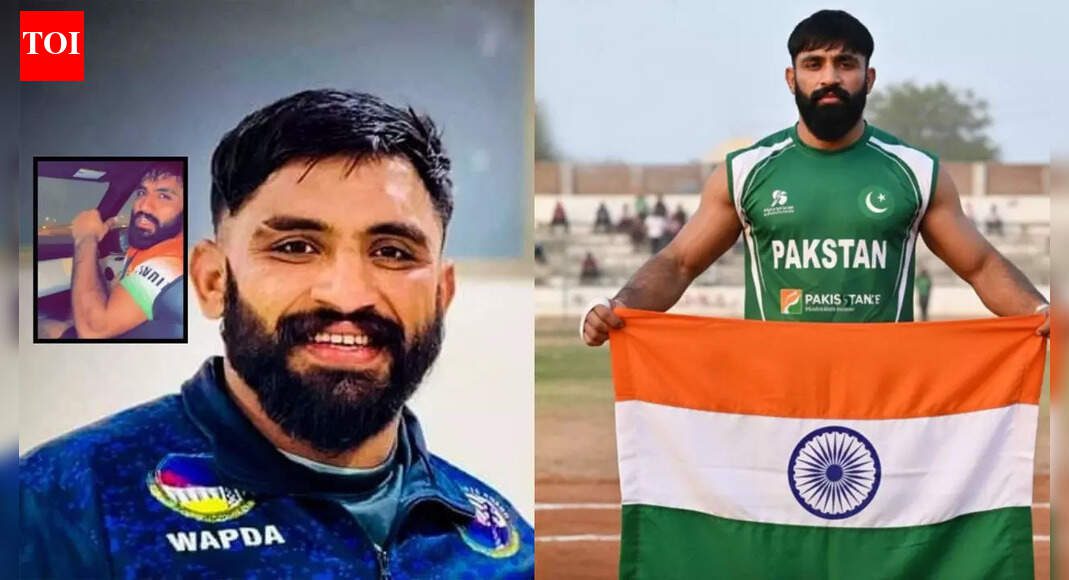
The kabaddi world is buzzing! Pakistan international star Ubaidullah Rajput faces an indefinite ban from the national federation. This shocking move follows his controversial appearance for an Indian team in a Bahrain tournament, proudly sporting an Indian jersey and waving the tricolour, igniting a fervent debate among fans.
This incident goes beyond just unauthorized play; it’s a critical moment for national representation and sporting integrity. Sports Fans, Cricket Enthusiasts, and Sports Analysts are closely watching its impact on cross-border player participation and the delicate India-Pakistan sports dynamic.
The Pakistan Kabaddi Federation (PKF) cited Rajput’s failure to secure a mandatory No-Objection Certificate (NOC) and his direct representation of an Indian side as key violations, with viral images amplifying the situation.
The immediate focus is now on Rajput’s potential appeal and the broader implications for player conduct in international private tournaments, a major highlight in current Sports News.
Key Data
| Player/Entity | Alleged Violation | Federation Stance | Penalty/Claim |
|---|---|---|---|
| Ubaidullah Rajput | Played for Indian team, wore Indian jersey, waved Indian flag, no NOC. | Viewed matter seriously; still guilty of flouting NOC rules. | Indefinite Ban. Claims misunderstanding. |
| Other Players (same tournament) | Participated without obtaining required NOCs. | Undisclosed. | Banned and Fined. |
Detailed Analysis
The dynamic world of sports often celebrates unity, yet the Ubaidullah Rajput controversy casts a stark spotlight on the intricate interplay of national identity, athletic ambition, and federation oversight. This isn’t an isolated incident; it resonates within a broader history of players navigating geopolitical sensitivities throughout their professional careers. While private tournaments offer crucial platforms for athletes to earn and gain experience beyond national league structures, the critical requirement of a No-Objection Certificate (NOC) remains a cornerstone of federation control and player accountability. Rajput’s alleged lapse in securing this vital document, coupled with the highly symbolic act of wearing a rival nation’s jersey and flag, swiftly transformed a procedural misstep into a national flashpoint, leading to his indefinite ban by the Pakistan Kabaddi Federation (PKF).
Digging deeper into the details, the PKF’s emergency meeting underscores the extreme gravity of the situation. Secretary Rana Sarwar emphasized that Rajput’s actions—traveling overseas without approval, representing an Indian team, wearing its jersey, and celebrating with the Indian flag—were viewed with utmost seriousness. Rajput, for his part, presented a defense of ‘misunderstanding,’ claiming he was unaware the team he joined would be branded ‘Indian.’ He highlighted a precedent where Indian and Pakistani players have competed together in private tournaments, though explicitly never under national names. This nuance is crucial; while friendly cross-border participation in private leagues has occurred, the direct adoption of national symbols fundamentally alters the context, moving from individual sporting endeavor to a perceived act of national allegiance, especially in the eyes of a governing body like the PKF. The viral spread of images and videos on social media undoubtedly amplified the pressure on the federation to act decisively, reflecting strongly on India-Pakistan sports relations.
This incident offers a compelling comparison to similar situations in international sports where athletes’ actions outside official national duties draw scrutiny. While the specifics of kabaddi are unique, the principle of federation authority over player participation abroad is universal across sports like Cricket, Football, or Tennis. For instance, players in other sports often require strict NOCs for league participation in rival nations, and violations can lead to fines or suspensions. What elevates Rajput’s case, however, is the potent symbolism. Simply flouting NOC rules, as other players in the same Bahrain tournament did, led to bans and fines. Rajput’s additional act of donning the Indian jersey and waving the flag added a layer of political sensitivity that likely intensified the PKF’s response, making his indefinite ban a starker penalty. The conflict between a player’s perceived national loyalty and the rules of professional engagement became acutely evident. [Suggested Matrix Table: Comparison of Player Sanctions for NOC Violation vs. National Symbolism in Sports]
For Sports Fans, Cricket Enthusiasts, and Sports Analysts, this saga serves as a powerful reminder of the delicate line athletes walk in the high-stakes world of international sports. Rajput’s indefinite ban carries significant short-term consequences for his career, removing him from the professional kabaddi circuit and potentially impacting his livelihood and future prospects. In the medium-term, this incident could lead to stricter enforcement of NOC policies by the PKF and possibly other federations, creating a more stringent framework for players seeking opportunities in private international tournaments. The long-term implications could see a chilling effect on cross-border collaborations in private sports leagues, particularly between India and Pakistan, unless clear guidelines are established to prevent similar misunderstandings and safeguard national sentiments. Cricket fans, familiar with the intense rivalry, will especially understand the symbolic weight of Rajput’s actions. Monitoring Rajput’s appeal process and any subsequent statements from the PKF will be crucial to understand how this precedent shapes future player conduct and federation oversight in Indian and Pakistan sports news.
About the Author