Key Takeaways
Gwyneth Paltrow shares why she turned down an explicit sex scene with Ethan Hawke in 1998’s Great Expectations. Explore the surprising story and cultural impact.
Overview
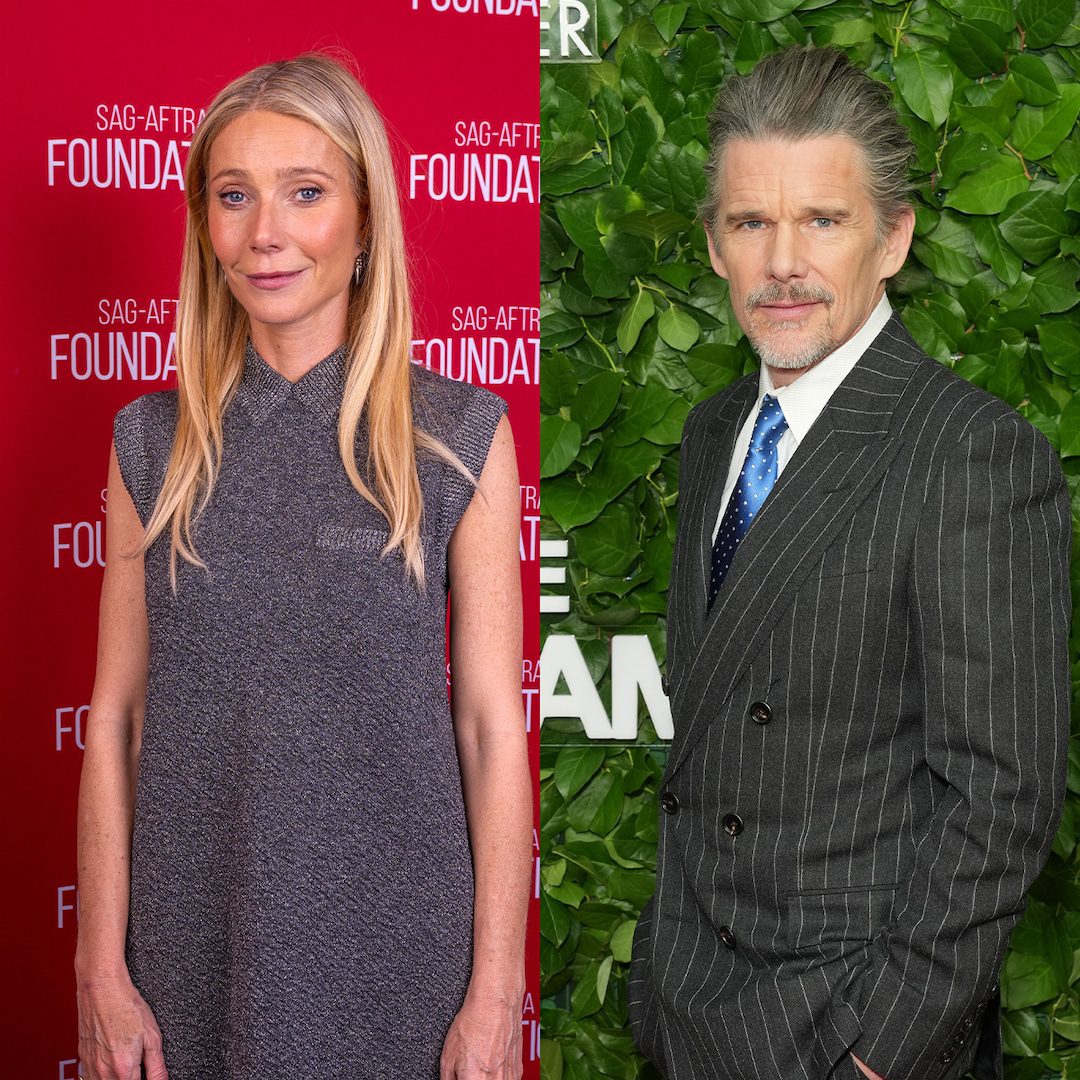
Hollywood icon Gwyneth Paltrow recently dished on a surprising moment from the set of her 1998 film, Great Expectations. In a candid conversation with co-star Ethan Hawke, Paltrow revealed why she firmly rejected a highly explicit love scene pitched by director Alfonso Cuarón. This revelation gives entertainment enthusiasts a captivating glimpse into a star’s personal boundaries and the different filmmaking practices of that era.
For pop culture fans, Paltrow’s story highlights the crucial balance between artistic vision and individual comfort on set, especially regarding intimate scenes—a topic that remains a vibrant discussion in Hollywood. Her immediate refusal underscored a personal principle.
The scene, as Cuarón described it, was graphic, culminating in an “exploding light” as Paltrow’s character reached “ecstasy.” Her core reason for refusal? “Oh my god, my father’s going to have a heart attack!”
Uncovered 27 years after the film’s release, this incident offers a lens into the changing industry landscape and how performer agency has evolved.
Detailed Analysis
Back in 1998, Alfonso Cuarón’s modern adaptation of Charles Dickens’ Great Expectations offered a visually stunning, contemporary take on a classic. Starring the dynamic duo of Gwyneth Paltrow and Ethan Hawke, the film delivered on dramatic tension and undeniable chemistry. While that era of Hollywood often saw provocative filmmaking, discussions around consent, actor comfort, and explicit content differed greatly from today’s detailed protocols involving intimacy coordinators. Paltrow’s recent revelation, shared during a Vanity Fair chat with Hawke, pulls back the curtain on how such moments were navigated then. It’s a captivating look into a time before widespread “no nudity” clauses, reflecting a common struggle for actors balancing professional roles with private values. This candid disclosure, nearly three decades later, really makes one wonder about the untold stories behind some beloved films.
Ethan Hawke humorously recalled Cuarón, whom he affectionately dubbed a “wonderful lunatic,” pitching the scene with dramatic flair. Hawke vividly recounted the director’s vision: “He’s going to go down on you, the camera’s going to go down your belly, and then it’s going to go up your breasts! And then it’s going to go in your face as you reach ecstasy! And when you reach ecstasy, the light will explode like to the sun!” It sounds like something straight out of an intense indie film manifesto, doesn’t it? Paltrow’s immediate reaction was priceless and incredibly relatable: “Oh my god, he’s like [in the Mexican director’s accent], ‘And then he’s going to go down on you,’ and I was like, ‘Oh my god, my father’s going to have a heart attack!'” Her deep bond with her father, Bruce Paltrow (who passed away in 2002), was clearly a guiding force. Hawke confirmed her unwavering stance: “And, I remember Gwyneth is like, ‘Alfonso, I’m never going to do that.'” This firm refusal highlights a quiet act of agency.
Paltrow’s experience with the Great Expectations sex scene offers a stark contrast to current industry practices. Today, discussions around on-screen intimacy are meticulously planned, often involving dedicated intimacy coordinators who ensure actors’ comfort and consent. Back in the late 90s, such roles were non-existent, and actors often navigated potentially uncomfortable situations largely on their own. Her outright refusal, rooted in personal values, showcases an early form of boundary-setting in an industry that traditionally prioritized the director’s vision. This individual stand, while deeply personal, inadvertently foreshadowed the collective movement towards greater respect for performer well-being. While the film industry of the 90s saw many actors engage in explicit scenes, Paltrow’s decision underscores that there was always room for personal choice, even if less formalized, contributing to a broader dialogue about actor agency and ethical filmmaking that resonates in today’s pop culture landscape.
What does Gwyneth Paltrow’s Great Expectations anecdote mean for us, the entertainment enthusiasts and movie lovers? It’s a fantastic reminder that behind every dazzling film and iconic performance are real people making very personal decisions. It pulls back the curtain on the human element of filmmaking, showing that even major stars navigate their careers with deeply held values and family considerations in mind. This story adds another layer of appreciation for the choices actors make, reminding us that their comfort and autonomy are just as vital as any creative vision. This revelation also sparks a conversation about how much Hollywood has evolved, or still needs to evolve, in supporting its talent. For fans, it’s a peek into the evolving industry standards regarding intimate scenes and actor welfare, underscoring the shift towards more ethical production environments. As we move forward, stories like Paltrow’s encourage us to monitor how celebrity news continues to reveal untold industry histories, shaping our understanding of pop culture and the people who make it shine.
About the Author