Key Takeaways
Himachal Pradesh doctors’ indefinite strike disrupts healthcare services. Analyze the immediate and long-term financial risks for India’s healthcare sector and state budgets.
Overview
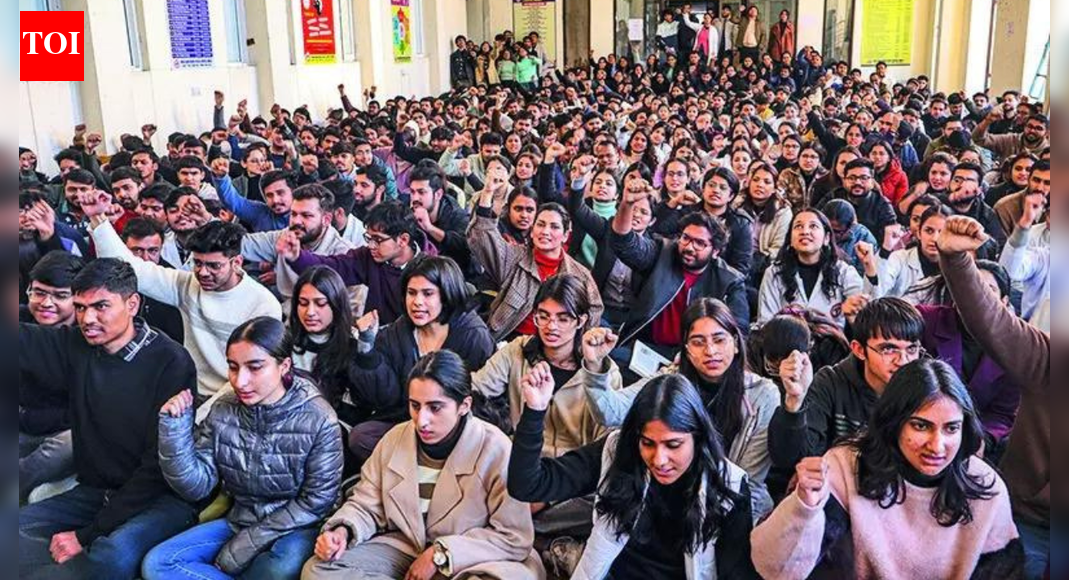
An indefinite strike by government doctors in Himachal Pradesh has critically disrupted healthcare services across the state since Saturday, December 28, 2025, excluding emergency care. This significant industrial action, driven by demands for the reinstatement of a terminated doctor, casts a spotlight on operational stability within India’s public health infrastructure and introduces an element of risk into the broader Healthcare Sector India.
For Retail Investors, Swing Traders, Long-term Investors, and Finance Professionals, this event warrants careful consideration. While localized, such disruptions can signal underlying governance and human resource challenges within the sector, potentially impacting state budgets, public health outcomes, and indirectly influencing the investment landscape for related industries listed on the NSE and BSE.
Key details from the source indicate widespread patient hardship, including the postponement of several scheduled surgeries at facilities like IGMC and AIMSS-Chamiyana in Shimla. The Resident Doctors’ Association (RDA) president frames the termination as a “humiliation of the medical fraternity,” escalating the dispute.
This analysis delves into the short-term operational impacts, medium-term policy risks, and long-term investment implications for the Indian healthcare market, examining what stakeholders should monitor next for informed decision-making.
Detailed Analysis
India’s healthcare sector is a crucial pillar of its economic and social fabric, characterized by a complex interplay of public and private providers. Government hospitals, particularly in states like Himachal Pradesh, form the backbone of primary and secondary healthcare, serving vast populations and contributing significantly to overall public health metrics and workforce productivity. Any sustained disruption within this critical infrastructure can trigger ripple effects across various economic segments, influencing state fiscal health and investor sentiment towards the broader healthcare ecosystem. The indefinite strike by government doctors in Himachal Pradesh, stemming from a severe disciplinary incident, transcends a mere local labor dispute to become a potential indicator of systemic challenges within the public health domain. This event, occurring in late 2025, requires a granular examination for investors considering exposure to the Indian market, especially sectors linked to public services and state-level governance.
The immediate operational impact of the doctors’ strike is severe and clearly articulated in the source content. Non-emergency healthcare services have ceased across government hospitals in Himachal Pradesh, directly affecting countless patients. Notably, several surgeries scheduled for Saturday, December 28, were postponed at major facilities like Indira Gandhi Medical College (IGMC) and Atal Institute of Medical Super Specialities (AIMSS) at Chamiyana in Shimla. The specific case of 70-year-old Jagat Ram, whose prostate surgery was deferred, highlights the personal and direct financial burden on citizens. From a financial perspective, while government hospitals typically operate on budgetary allocations rather than direct profit, such disruptions lead to significant inefficiencies. They create a backlog of cases, strain existing resources once services resume, and could potentially necessitate unplanned expenditure for the state government, whether through outsourcing critical services (if viable) or increased budgetary concessions to resolve the dispute. The Health and Family Welfare Minister’s statement, indicating discussions would commence once the Chief Minister returned from Delhi, underscores the high-level political and potentially fiscal implications of the impasse, signalling a need for a resolution that might carry a financial cost for the state. The indefinite nature of the strike elevates the risk profile, suggesting prolonged service interruptions.
Analyzing this situation within the broader Indian healthcare landscape reveals several comparative insights, even without specific financial metrics available in the source. Unlike strikes primarily focused on wage demands, this protest centers on a disciplinary action—the termination of Dr. Raghav Nirula for patient assault. The Resident Doctors’ Association (RDA) views this as an unjust termination and a “humiliation of the medical fraternity,” injecting an emotional and professional solidarity element that can often make resolutions more complex and protracted than purely economic disputes. Such events can erode public trust in government healthcare facilities, potentially leading to increased demand for private healthcare services in the medium to long term, impacting patient flows and revenue models for both sectors. Furthermore, prolonged disruptions to essential services like non-emergency surgeries could indirectly affect public health outcomes in the state, potentially increasing the prevalence or severity of untreated conditions. This, in turn, can have long-term economic consequences through reduced workforce productivity and increased societal health burden. The directorate of medical education and research’s issuance of SOPs to ensure uninterrupted emergency services indicates a recognition of the crisis’s gravity, but these measures cannot fully mitigate the broader operational and financial strain. Investors tracking state-level fiscal health may monitor any potential for unplanned budgetary allocations or shifts in public health spending priorities as a direct or indirect consequence of this and similar future industrial actions.
For Retail Investors, Swing Traders, Long-term Investors, and Finance Professionals, the Himachal Pradesh doctors’ strike presents a multifaceted risk and opportunity assessment. Short-term, Swing Traders should closely monitor developments regarding the Chief Minister’s return and subsequent negotiations. A swift, amicable resolution could alleviate immediate concerns, while a prolonged impasse could lead to further operational strain and negative sentiment for any publicly traded entities with direct or indirect exposure to government healthcare contracts or local supply chains in the affected region. For Long-term Investors and Finance Professionals, this event serves as a critical case study in governance risk within public sector services. It highlights the potential for human resource disputes to disrupt core operations, impacting the state’s financial stability and resource allocation. Investors in healthcare-focused funds or companies operating in India should scrutinize the resilience of their portfolio companies to such localized disruptions, assessing supply chain robustness, workforce stability, and regulatory compliance. Potential opportunities might arise from a perceived shift towards the private healthcare sector if public trust is significantly eroded, though direct data from the source does not confirm this. Key metrics to monitor include the timeline for the strike’s resolution, any official statements detailing financial implications for the state government, and broader healthcare sector indices on the NSE and BSE for any indirect sentiment shifts. This incident underscores the importance of a holistic investment analysis, extending beyond conventional financial metrics to include social and governance factors that can significantly influence long-term value in the Indian market.
About the Author