Key Takeaways
Japan factory attack highlights critical need for industrial security tech. Explore AI-powered surveillance, safety innovations, and future implications for startups in manufacturing.
Overview
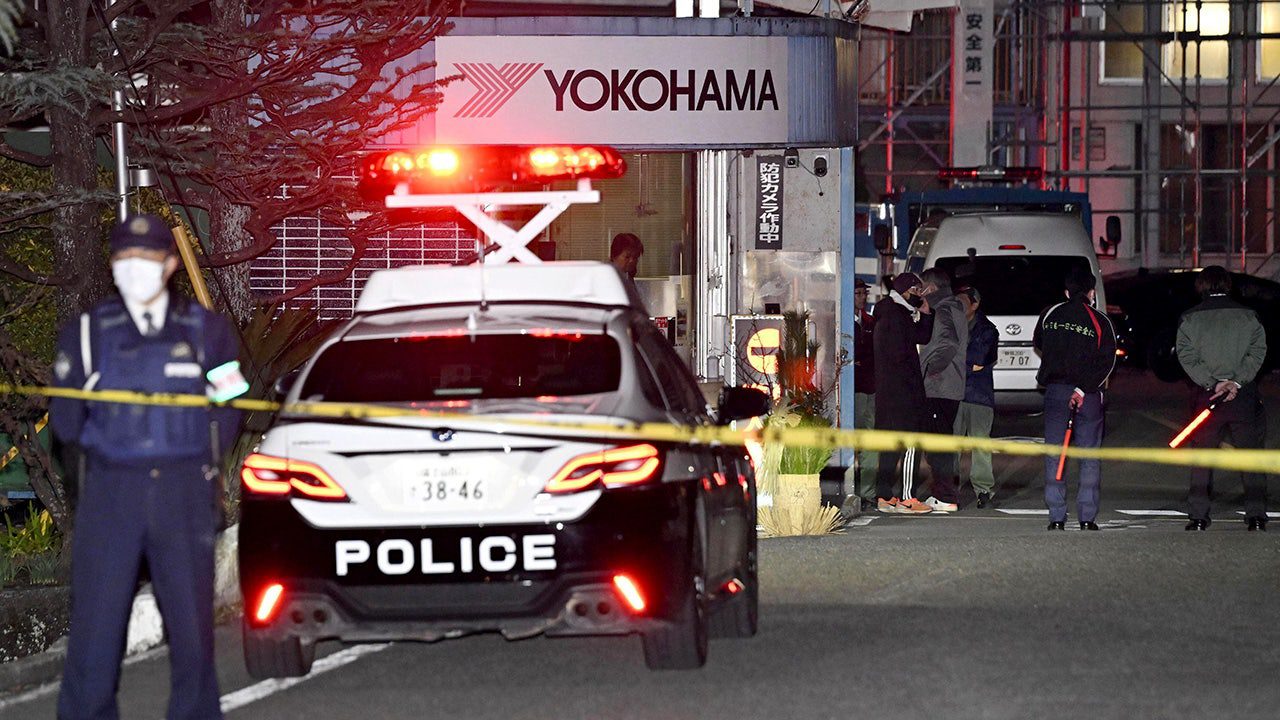
A shocking incident involving a stabbing spree and chemical attack at a Yokohama Rubber Co. factory in Japan has left fifteen people injured. This grave event, which saw a suspect in custody, underscores the critical and evolving challenges in maintaining robust industrial security tech within manufacturing environments, impacting how Tech Enthusiasts and innovators perceive workplace safety.
For Tech Enthusiasts, Innovators, Developers, and Startup Founders, such incidents highlight an urgent demand for advanced safety solutions and proactive security software. It prompts a re-evaluation of current physical and digital safeguards in industrial settings, pushing for innovation.
The incident, occurring on Friday in Mishima, west of Tokyo, involved a 38-year-old former employee, resulting in eight stabbings and seven injuries from a chemical believed to be bleach. Five of the stabbed victims are in serious condition.
This analysis will delve into the broader implications for industrial technology, market context for safety innovations, and future opportunities for startups addressing critical security vulnerabilities.
Detailed Analysis
The recent security breach at Yokohama Rubber Co.’s facility in Japan serves as a sobering reminder of the persistent human element risks even within advanced industrial landscapes. Japan, a global leader in manufacturing and automation, typically sets high benchmarks for operational efficiency and worker safety. However, this incident, involving a disgruntled former employee armed with a survival knife and what appeared to be a gas mask, exposes vulnerabilities that extend beyond conventional process failures. Modern manufacturing, increasingly reliant on Industrial IoT (IIoT), automation, and complex supply chains, often focuses on optimizing production and predictive maintenance. Yet, the physical security of personnel and assets against deliberate malicious acts, especially those involving chemical agents or personal attacks, remains a paramount concern. This event prompts a critical re-evaluation of holistic security frameworks that encompass both digital and physical safeguards, pushing the dialogue towards integrated safety systems powered by emerging technologies.
The specifics of the attack, where fifteen individuals were injured by stabbing and chemical exposure, underscore the rapid escalation potential of such incidents. While the motive remains unclear, the attacker’s alleged status as a former employee highlights insider threat risks—a complex challenge for any organization. In addressing such scenarios, industrial security tech plays a pivotal, albeit often underutilized, role. Technologies like advanced surveillance systems equipped with AI-powered anomaly detection could potentially flag unusual behaviors or unauthorized access attempts. Access control systems, often managed through software, could restrict entry to sensitive areas. Furthermore, sophisticated chemical detection sensors and automated containment protocols could mitigate the impact of hazardous material deployment. However, the source content provides no details regarding the existing security infrastructure or technology deployed at the Yokohama Rubber Co. factory, making a direct technical analysis of its efficacy in this incident impossible. This gap emphasizes a broader need for transparency and robust disclosure in industrial safety reporting.
The implied security challenges at the tire factory highlight a universal demand for innovation in safety protocols across high-tech manufacturing. Industries embracing advanced automation and smart factory concepts, particularly in Technology India and other emerging tech hubs, face similar issues. The market for industrial safety and security solutions is growing, driven by regulatory pressures and incident costs. Startups developing AI solutions for predictive security, real-time threat detection, and integrated emergency response are well-positioned. Technologies combining biometric access with video analytics and environmental sensors offer multi-layered defense. However, cost, data privacy, and legacy system integration remain challenges. This incident underscores that physical security in manufacturing is as critical as cybersecurity for human safety and operational continuity.
[Suggested Matrix Table: Industrial Safety Tech Solutions Comparison – Features (AI Surveillance, Biometric Access, Chemical Detection), Deployment Complexity, Cost Implications, Regulatory Compliance]
For Tech Enthusiasts, Innovators, Developers, and Startup Founders, this incident in Japan highlights a significant market opportunity in industrial safety and security software. The focus should be on developing and deploying innovative solutions merging physical and digital security. This includes advanced AI-driven surveillance systems for real-time suspicious behavior identification, robust access control, and integrated emergency response platforms. There’s also a need for novel chemical and weapon detection technologies. Startups focusing on AI & Innovation in workplace analytics, predictive safety modeling, and human-machine interface for emergency management could find fertile ground. Monitor advancements in industrial IoT security standards, AI uptake in plant safety, and new regulations. This incident is a call to action for the tech community to innovate solutions preventing tragedies, ensuring safer workplaces through cutting-edge technology.
About the Author