Key Takeaways
Explore how 2025 sports championships signal market leadership and brand value. Analyze key team performance and potential investment implications in the sports entertainment sector.
Overview
The year 2025 showcased remarkable shifts and consolidations of power within the global sports entertainment sector, with several key teams clinching championships across major leagues. These outcomes, while primarily thrilling for fans, offer insightful parallels for investors examining market leadership and brand strength in highly competitive environments.
For retail investors, swing traders, and finance professionals, understanding these dynamics can highlight trends in consumer engagement, media valuation, and potential opportunities within ancillary sports-related industries. Dominant franchises often command premium media rights, sponsorship deals, and merchandise sales, reflecting robust underlying business models.
Key events included the Philadelphia Eagles’ NFL triumph, the Oklahoma City Thunder’s 68-14 regular season en route to the NBA title, and the Los Angeles Dodgers’ consecutive MLB World Series win, signaling sustained competitive advantage and strong brand equity.
This analysis delves into the strategic implications of these victories, evaluating their impact on market dynamics and identifying metrics investors should monitor for future insights into the broader sports economy.
Key Data
| Championship League | Winning Team/Driver | Regular Season Performance | Championship Outcome |
|---|---|---|---|
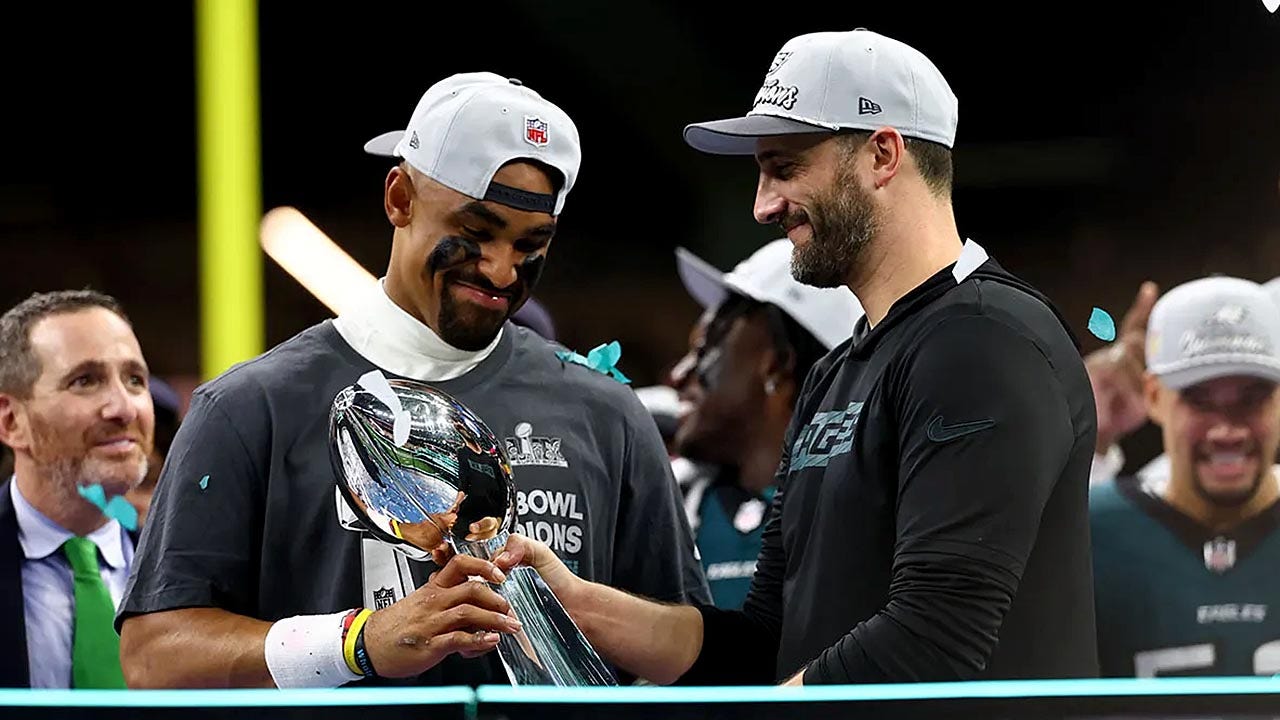
| NFL | Philadelphia Eagles | 14-3 record | Super Bowl LIX Winners (40-22) |
| NBA | Oklahoma City Thunder | 68-14 record | NBA Champions (Game 7: 103-91) |
| MLB | Los Angeles Dodgers | 93 wins | Back-to-Back World Series Champions |
| NHL | Florida Panthers | (Specific record not disclosed) | Back-to-Back Stanley Cup Champions |
| WNBA | Las Vegas Aces | Recovered from .500, 16-game win streak | Third Title in Four Seasons (Swept Finals) |
Detailed Analysis
The 2025 sports season concluded with several powerhouses cementing their dominance, offering compelling insights into brand valuation, market penetration, and sustained competitive advantage within the dynamic sports entertainment sector. Historically, winning franchises and persistent competitive excellence directly correlate with increased fan engagement, higher media viewership, and enhanced commercial opportunities, including sponsorship and merchandising. These factors contribute significantly to a sports entity’s intangible asset value, which, while not directly traded on the NSE or BSE, forms a crucial part of the broader financial ecosystem influencing media companies, sports apparel manufacturers, and betting platforms. The consistency observed in some champions underscores the strategic investments in talent acquisition, coaching, and infrastructure that drive long-term success.
Delving into specific outcomes, the Philadelphia Eagles’ Super Bowl LIX victory over the Kansas City Chiefs, offering a successful market share re-capture, highlights strategic competitive performance. Their 14-3 regular season record demonstrated strong underlying performance, culminating in a decisive 40-22 championship win. Similarly, the Oklahoma City Thunder’s NBA title, underpinned by an exceptional 68-14 regular season and 84 combined wins (third most in NBA history), illustrates a rapid ascent to market leadership driven by MVP-caliber talent like Shai Gilgeous-Alexander. For long-term investors tracking growth assets, such rapid scaling combined with top-tier performance indicates robust potential. Conversely, the injury to Pacers star Tyrese Haliburton in Game 7 highlights event-specific operational risks that can drastically alter competitive dynamics and potentially impact associated market sentiment or betting revenues.
The repeated successes of the Los Angeles Dodgers in MLB, securing back-to-back World Series titles, and the Florida Panthers in NHL, also achieving consecutive Stanley Cups and their third straight final appearance, underscore the value of establishing a dynasty. This sustained competitive edge creates a powerful brand moat, ensuring consistent revenue streams from loyal fan bases, lucrative broadcast deals, and enhanced global recognition. The Dodgers’ strategic bullpen management, turning Roki Sasaki into a closer, exemplifies innovative resource deployment to secure critical performance. Such tactical flexibility and consistent execution differentiate top-tier “market players.” In collegiate sports, the Ohio State Buckeyes capitalized on the expanded College Football Playoff format, demonstrating how structural market changes can provide new pathways to leadership, despite mid-season setbacks.
For retail investors and finance professionals, these championship outcomes signal more than just sporting glory; they are indicators of resilient brand equity and operational excellence. Identifying such dominant trends within the entertainment sector can inform investment strategies in associated publicly traded companies—from media conglomerates holding broadcast rights to consumer goods firms licensing team merchandise. Monitoring key metrics like fan engagement growth, media viewership trends, and forthcoming sponsorship renewals becomes crucial. Furthermore, the rise of dynasties like the Las Vegas Aces in the WNBA, securing their third title in four seasons, and UConn’s women’s basketball team winning their record 12th national title, suggests predictable performance and market stability within niche but growing segments. Investors should assess how these consistent winners manage talent, adapt to competitive pressures, and leverage their success for broader commercial gains, considering both the opportunities and the inherent operational risks.
About the Author