Key Takeaways
China imposes sanctions on US defence firms over Taiwan arms sales, escalating tensions. Understand the geopolitical implications and what it means for global stability in 2025.
Overview
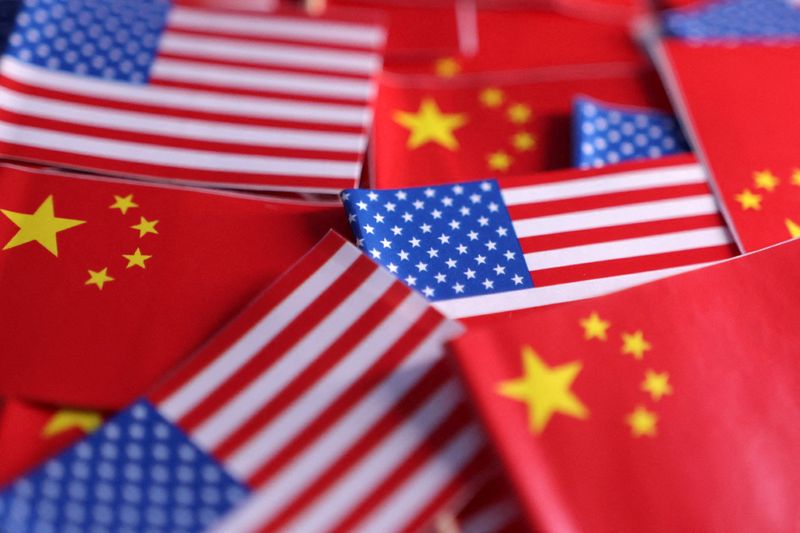
In a significant geopolitical move, China has officially announced sanctions against various US defence firms. This action comes as a direct response to recent arms sales by these companies to Taiwan, escalating already heightened tensions between Beijing and Washington.
This development is crucial for General Readers and News Consumers as it underscores the delicate balance of international relations and highlights a persistent flashpoint in the Indo-Pacific region. The implications extend beyond just defence sectors, potentially influencing global trade dynamics and diplomatic stability.
While specific firms and the exact nature of the sanctions were not immediately detailed, the move is a clear reaffirmation of China’s unwavering stance on Taiwan’s sovereignty and its resolve to counter foreign interference.
The following analysis will delve into the short-term reactions, medium-term ripple effects, and long-term strategic shifts stemming from this latest measure.
Detailed Analysis
The imposing of sanctions by China on US defence firms represents another chapter in the long-standing geopolitical friction surrounding Taiwan. Beijing views Taiwan as an integral part of its territory under the ‘One China’ policy, while the United States maintains an unofficial yet robust relationship with Taiwan, including the provision of defensive weaponry. This assistance, mandated by the Taiwan Relations Act, is consistently perceived by China as a direct challenge to its sovereignty and a violation of international norms. Historically, arms sales to Taiwan have frequently triggered strong condemnations and retaliatory measures from mainland China, with this latest round of sanctions following a well-trodden, albeit increasingly tense, path of diplomatic and economic pressure. The current climate in 2025 sees both nations vying for influence, making each such action a critical indicator of evolving power dynamics and regional stability.
These sanctions are designed to achieve several objectives. Primarily, China aims to deter future US arms sales to Taiwan by making such transactions financially and operationally costly for the involved defence companies. While specific details remain undisclosed, sanctions typically involve measures such as asset freezes, travel bans on executives, and restrictions on trade and business dealings within China. For affected US defence firms, this could translate into significant financial and operational challenges, potentially hindering their ability to conduct business in the vast Chinese market or with entities linked to China globally. The move serves as a powerful political signal from Beijing, reinforcing its commitment to its territorial claims and demonstrating its willingness to employ economic leverage to counter perceived threats to its national interests and regional influence. This strategic use of economic tools in geopolitical disputes has become a hallmark of modern international relations.
This current round of sanctions mirrors similar actions taken by China in the past, underscoring that while not unprecedented, it signifies a sustained and escalating pattern of confrontation. The continuous imposition of such measures indicates Beijing’s persistent frustration with US policy towards Taiwan and its consistent efforts to assert its authority. In the broader Indo-Pacific, this action contributes to an environment of strategic competition, where both the United States and China are keen to solidify alliances and project power. For companies operating internationally, particularly those with a global supply chain or diverse market interests, navigating these complex geopolitical mandates becomes increasingly challenging. The sanctions highlight the increasing risk of being caught between major power rivalries, forcing businesses to reassess their operational footprints and market strategies in response to escalating political tensions.
For General Readers and News Consumers in India and worldwide, this development serves as a critical reminder of the intricate web of international relations and the significant role economic leverage plays in geopolitics. The ongoing tensions between China and the US, particularly over flashpoints like Taiwan, carry the potential for broader implications across global trade, technology supply chains, and overall international stability. While there aren’t direct opportunities for consumers from sanctions on defence firms, understanding these dynamics is crucial for comprehending shifts in global power and potential impacts on commodity prices or technological advancements. Audiences should monitor future diplomatic statements from Washington and Beijing, any subsequent US counter-responses, and new reports on US arms sales to Taiwan. This event underscores the continued strategic competition and the enduring centrality of the Taiwan question in shaping 21st-century international politics.
About the Author