Key Takeaways
The UPS cargo plane crash investigation highlights critical aviation safety tech needs. Explore NTSB findings and future implications for aerospace innovation and design.
Overview
The tragic loss of Alain Rodriguez Colina, the 15th victim of the Louisville UPS cargo plane crash, underscores a critical imperative for the aviation technology sector. This incident, now officially among the deadliest U.S. aviation disasters this year, demands a deep dive into the technological integrity and safety protocols governing modern aerospace operations.
For Tech Enthusiasts, Innovators, and Developers, this event is a stark reminder of the complex engineering challenges and the continuous pursuit of perfection required in aviation. It highlights the indispensable role of advanced diagnostics and material science in preventing catastrophic failures in an increasingly integrated global logistics network.
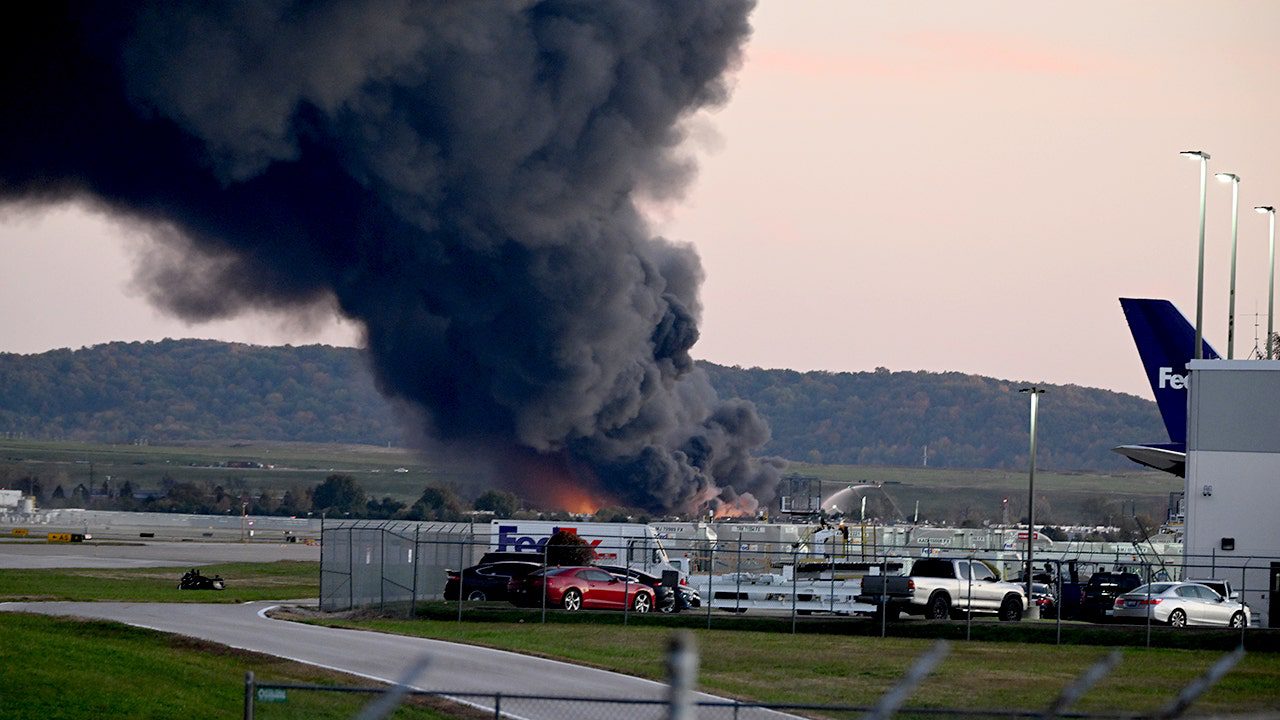
A preliminary report from the National Transportation Safety Board (NTSB) detailed the left engine’s separation from UPS Flight 2976 shortly after takeoff, with the aircraft reaching only 30 feet above ground level before crashing. Investigators later discovered tiny cracks around boltholes in the engine pylon’s aft mount.
The ongoing investigation promises to yield insights crucial for future advancements in aerospace design, maintenance innovation, and next-generation safety systems, significantly impacting the broader technology India ecosystem and global aviation standards.
Detailed Analysis
Aviation technology stands as one of humanity’s most complex and rigorously engineered fields, designed for reliability under extreme conditions. The UPS Flight 2976 crash, occurring on November 4th and tragically claiming its 15th victim on Christmas Day with Alain Rodriguez Colina’s passing, forces a critical examination of these foundational principles. While the immediate focus is on the human tragedy, for the tech community, this incident represents a profound stress test on systems, materials, and predictive maintenance. Historically, every major aviation incident has served as a catalyst for innovation, driving advancements in everything from engine design to flight control software and sensor arrays. The NTSB’s investigation into this specific failure—a left engine separation and subsequent fire shortly after takeoff—illustrates the intricate chain of events that even tiny, propagating cracks in a structural component can initiate, demanding robust solutions in metallurgical analysis and structural health monitoring.
The detailed findings from the NTSB’s preliminary report offer critical technical data points. Black box data confirmed the aircraft achieved only 30 feet of altitude before the crash, a devastatingly short flight segment. Airport surveillance footage visually corroborated the left engine and its pylon separating from the wing almost immediately after rotation, followed by a fire. Crucially, investigators identified micro-fractures, described as ‘tiny cracks that grew over time around boltholes in the mount,’ leading to its ultimate failure under normal operational stress. This points directly to challenges in materials fatigue, manufacturing tolerances, and the efficacy of current inspection technologies. The implications for engine mounting mechanisms, structural integrity across wide-body cargo planes, and real-time diagnostic systems are profound, calling for increased R&D in advanced non-destructive testing (NDT) methodologies and next-generation sensor integration capable of detecting such latent flaws.
This incident, while unique in its specifics, echoes a broader industry drive towards enhanced component longevity and predictive failure analysis. Compared to the general rarity of engine separations in modern commercial aviation, this event highlights areas where material science and digital inspection technologies must evolve. Innovators and developers are increasingly exploring AI-driven predictive maintenance platforms that analyze vast datasets from flight hours, environmental conditions, and sensor readings to anticipate material fatigue. Furthermore, the push for digital twins—virtual replicas of physical aircraft components—offers a promising avenue for simulating stress points and predicting potential failure modes long before they manifest physically. [Suggested Matrix Table: Aviation Safety Tech Innovations: Current Practices (e.g., Scheduled Maintenance, Visual Inspections) vs. Emerging Solutions (e.g., AI Predictive Analytics, Real-time Sensor Monitoring, Digital Twins)] Such comparisons underscore the industry’s continuous evolution in mitigating risks.
For Tech Enthusiasts, Innovators, Early Adopters, Developers, and Startup Founders, the UPS crash serves as a somber but clear signal for innovation. The incident underscores a pressing market need for startups focusing on advanced materials engineering, highly sensitive sensor technology for structural health monitoring, and AI/ML algorithms for anomaly detection in complex mechanical systems. Developers could explore new software solutions for predictive maintenance scheduling, leveraging Big Data to identify patterns in component degradation. The aerospace sector continually seeks disruptive solutions in areas like robust data acquisition from aircraft systems, secure data transmission (Cybersecurity is vital here), and innovative repair techniques. Monitoring the NTSB’s final report and subsequent regulatory responses from bodies like the FAA will be crucial, as these will define the next wave of aviation safety technology standards and investment opportunities in this critical domain.
About the Author