Key Takeaways
Ukraine peace talks see new momentum as Zelensky hails ‘new ideas’ after meeting US envoys. Discover details of the updated 20-point plan and diplomatic efforts.
Overview
Ukrainian President Volodymyr Zelensky has offered a positive assessment of recent discussions with US envoys regarding a potential resolution to the ongoing Russia-Ukraine war. These renewed Ukraine peace talks signal a significant diplomatic push amidst persistent conflict.
This development carries substantial weight for General Readers and News Consumers globally, as any progress towards ending the conflict could stabilize international relations and reduce geopolitical uncertainties.
Zelensky reported that a nearly hour-long call with Steve Witkoff and Jared Kushner yielded “new ideas in terms of formats, meetings, and… timing on how to bring a real peace closer.” The Kremlin also confirmed it is analyzing proposals brought back by its envoy.
These discussions, centered around an updated 20-point peace plan, offer a cautious glimpse into future diplomatic engagements and highlight crucial next steps in today’s current affairs.
Detailed Analysis
The Russia-Ukraine conflict, now spanning nearly three years since the February 2022 invasion, has profoundly reshaped the global geopolitical landscape, impacting energy markets, food security, and international alliances. Amidst this backdrop, continuous diplomatic endeavors aim to find a viable path to peace. India, maintaining a nuanced stance, has consistently called for a cessation of hostilities and a peaceful resolution, recognizing the far-reaching implications of the war on global stability and regional dynamics. Various peace proposals have emerged from different international actors, reflecting the complex, multi-faceted nature of the crisis. These sustained efforts underscore the international community’s profound desire to de-escalate the conflict, even as both sides remain entrenched in their military objectives and political demands. The engagement of US envoys with both Ukrainian and Russian delegations highlights the ongoing pursuit of a diplomatic off-ramp, despite significant historical and current challenges.
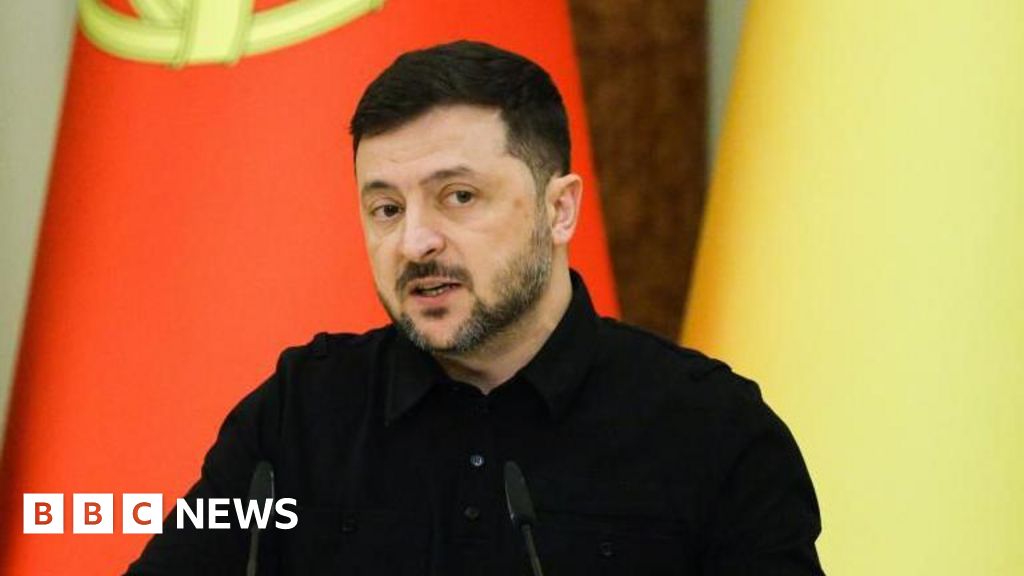
President Zelensky’s recent positive remarks stem from a detailed conversation with US envoys Steve Witkoff and Jared Kushner, which reportedly lasted nearly an hour. During this crucial exchange, Zelensky stated that “new ideas in terms of formats, meetings, and… timing on how to bring a real peace closer” emerged. These discussions followed the agreement on an updated 20-point peace plan between US and Ukrainian envoys in Florida. Key elements of this revised plan include a potential withdrawal of Ukrainian troops from the eastern territories and the establishment of a demilitarised zone. Crucially, the plan now incorporates robust security guarantees from the US, NATO, and European allies, pledging a coordinated military response should Russia invade Ukraine again. For the contested Donbas region, Zelensky proposed a “free economic zone” as a potential option, emphasizing that any area from which Ukrainian troops withdraw would require Ukrainian policing. Further discussions are anticipated, with Ukrainian negotiator Rustem Umerov scheduled to speak again with the US envoys, indicating ongoing active diplomacy.
A critical aspect of the current diplomatic push is the comparison of the updated 20-point plan with an earlier draft. Weeks prior, a plan drafted by Witkoff and Russian negotiators was widely perceived as heavily biased towards Russia’s demands. The inclusion of comprehensive security guarantees from the US, NATO, and European partners in the current updated proposal marks a significant shift, bolstering Ukraine’s long-term defense posture and offering a stronger negotiating position. However, these diplomatic advancements occur simultaneously with continued military engagement on the ground. Recent reports indicate Ukraine struck a key Russian oil refinery in Rostov, while the Russian defence ministry asserted control over Sviato-Pokrovske in Donetsk. This ongoing duality of intensified peace talks alongside active combat underscores the formidable challenges in translating diplomatic progress into a sustained cessation of hostilities and a lasting peace.
For General Readers and News Consumers, these developments in Ukraine peace talks represent a fragile yet important flicker of hope for easing a conflict with significant international repercussions. The complexity lies in reconciling Ukraine’s sovereignty and security demands with Russia’s strategic objectives. Citizens should closely monitor the Kremlin’s official analysis of the proposals, as articulated by spokesman Dmitry Peskov, and the outcomes of future discussions involving Ukrainian negotiator Rustem Umerov. The delicate balance between diplomatic negotiations and ongoing military actions makes the situation highly fluid. While the emergence of “new ideas” suggests a potential, albeit narrow, window for progress, Zelensky himself conceded that “work to be done on sensitive issues” remains, highlighting that a comprehensive and durable peace for this critical current affairs issue is still a considerable journey away.
About the Author