Key Takeaways
Jair Bolsonaro’s successful surgery ignites Brazil’s 2026 presidential race. Explore his enduring political influence, son’s candidacy, and the country’s governance challenges.
Overview
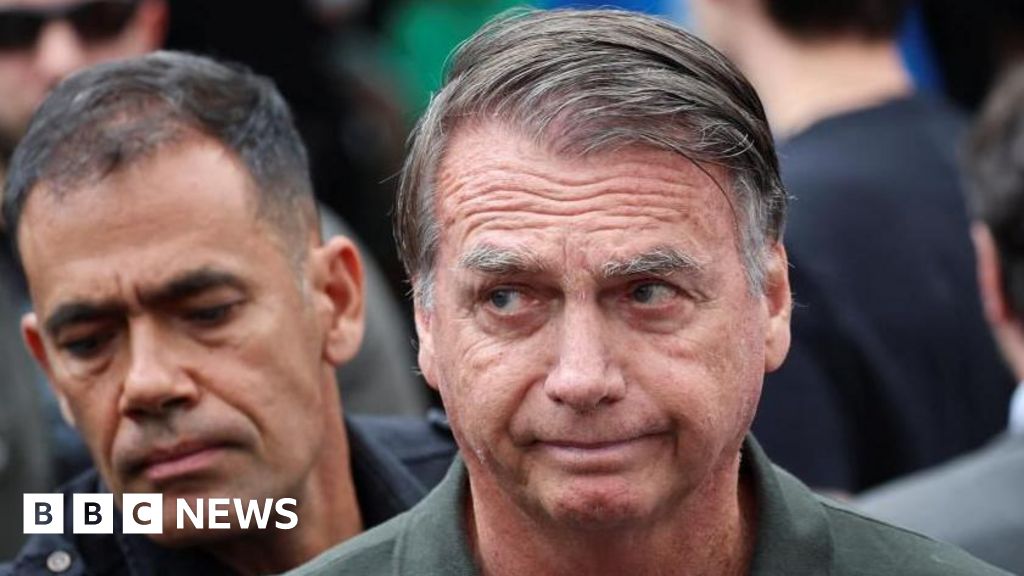
Former Brazilian President Jair Bolsonaro has successfully undergone surgery for a double hernia, his wife Michelle Bolsonaro confirmed. This health update arrives amidst significant political activity, underlining his enduring influence despite his current incarceration for plotting a coup after the 2022 presidential election loss.
Bolsonaro, aged 70, is serving a 27-year sentence, with the Supreme Court granting his hospital transfer from federal police headquarters for the procedure. His 44-year-old son, Flávio, received his father’s endorsement for the upcoming Bolsonaro election 2026, intensifying the nation’s political discourse.
This development highlights the former leader’s continued sway over a substantial segment of the electorate, even from behind bars. The political landscape in Brazil remains deeply polarized, with the upcoming presidential race already drawing clear battle lines.
This article examines the immediate medical context, the broader political implications of his health and endorsement, and the intricate dynamics shaping Brazil’s political landscape leading up to the next election.
Key Data
| Aspect | Jair Bolsonaro | Flávio Bolsonaro | Political Context |
|---|---|---|---|
| Current Status | Jailed ex-President, Post-surgery | Senator, Presidential Candidate | Upcoming 2026 Presidential Election |
| Age | 70 years | 44 years | Age relevance for leadership & succession |
| Sentence/Term | 27-year sentence (coup plotting) | Serving as Senator | Incumbent Lula plans re-election in 2026 |
| Key Endorsement | Endorsed Flávio for 2026 presidency | Received father’s backing for 2026 race | Dynastic politics, Liberal Party strategy |
Detailed Analysis
The medical procedure undergone by former Brazilian President Jair Bolsonaro transcends a mere health update, acting as a focal point for the complex political undercurrents in Brazil. His successful hernia surgery, permitted by the Brazilian Supreme Court, momentarily shifts the spotlight from his incarceration to his enduring political relevance. Bolsonaro’s conviction in September for plotting a coup, following his narrow defeat in the 2022 presidential election to Luiz Inácio Lula da Silva, culminated in the January 8, 2023, storming of government buildings by his fervent supporters. This historical context underscores a deep political polarization that continues to define Brazilian politics. Despite a 27-year sentence, the 70-year-old former leader still commands significant influence over a substantial segment of the electorate and within his Liberal Party, shaping future electoral strategies.
The immediate aftermath of Bolsonaro’s surgery saw a significant political maneuver: his formal endorsement of his eldest son, Flávio Bolsonaro, for the 2026 presidential race. This endorsement, conveyed through a handwritten letter read by Flávio outside the hospital, explicitly tasked his 44-year-old senator son with the “mission of rescuing our country, Brazil.” Such a public declaration, coming from a jailed former head of state, highlights a distinctive aspect of Brazilian political dynamics where personal charisma and family ties often intertwine with party politics. The Supreme Court’s decision to allow his transfer from federal police headquarters for the medical procedure also reflects the procedural adherence to rights, even for a convicted former president. This interplay between judicial oversight and political influence is a recurring theme in Brazil’s governance.
The current political landscape in Brazil presents a fascinating contrast between the incarcerated influence of Bolsonaro and the active governance of President Lula. While Lula, the incumbent, has declared his intention to run for re-election in October 2026, Bolsonaro’s endorsement of Flávio sets the stage for a potential generational continuation of his political project. This dynamic echoes historical patterns where political figures, even when facing legal challenges, attempt to establish dynastic successions. The recent attempt by Brazil’s Congress to pass a bill significantly shortening Bolsonaro’s sentence, which President Lula subsequently vowed to veto, further exemplifies the deep partisan divide and legislative gridlock that characterize the nation’s policy debates. This conflict reveals the ongoing struggle for power and influence between key branches of the Brazilian government.
For News Readers, this development signifies the persistent influence of Jair Bolsonaro on Brazil’s political narrative, irrespective of his legal status. Policy Watchers should closely observe the upcoming 2026 presidential campaign, particularly how Flávio Bolsonaro navigates his father’s legacy and public image while facing the formidable incumbent, Lula. Informed Citizens and Political Analysts will find crucial insights in the interplay between judicial decisions, legislative efforts, and public sentiment surrounding Bolsonaro. The Supreme Court’s role in granting medical leave and Lula’s veto power over the sentence-shortening bill are critical indicators of institutional checks and balances. Monitoring public reaction to Flávio’s campaign and any further legal proceedings concerning Bolsonaro will be key to understanding Brazil’s evolving political trajectory.
About the Author