Key Takeaways
Several feared dead in Karnataka bus fire tragedy in Chitradurga on NH-48. This accident follows another fatal bus crash in Tamil Nadu, raising road safety concerns. Get full details.
Overview
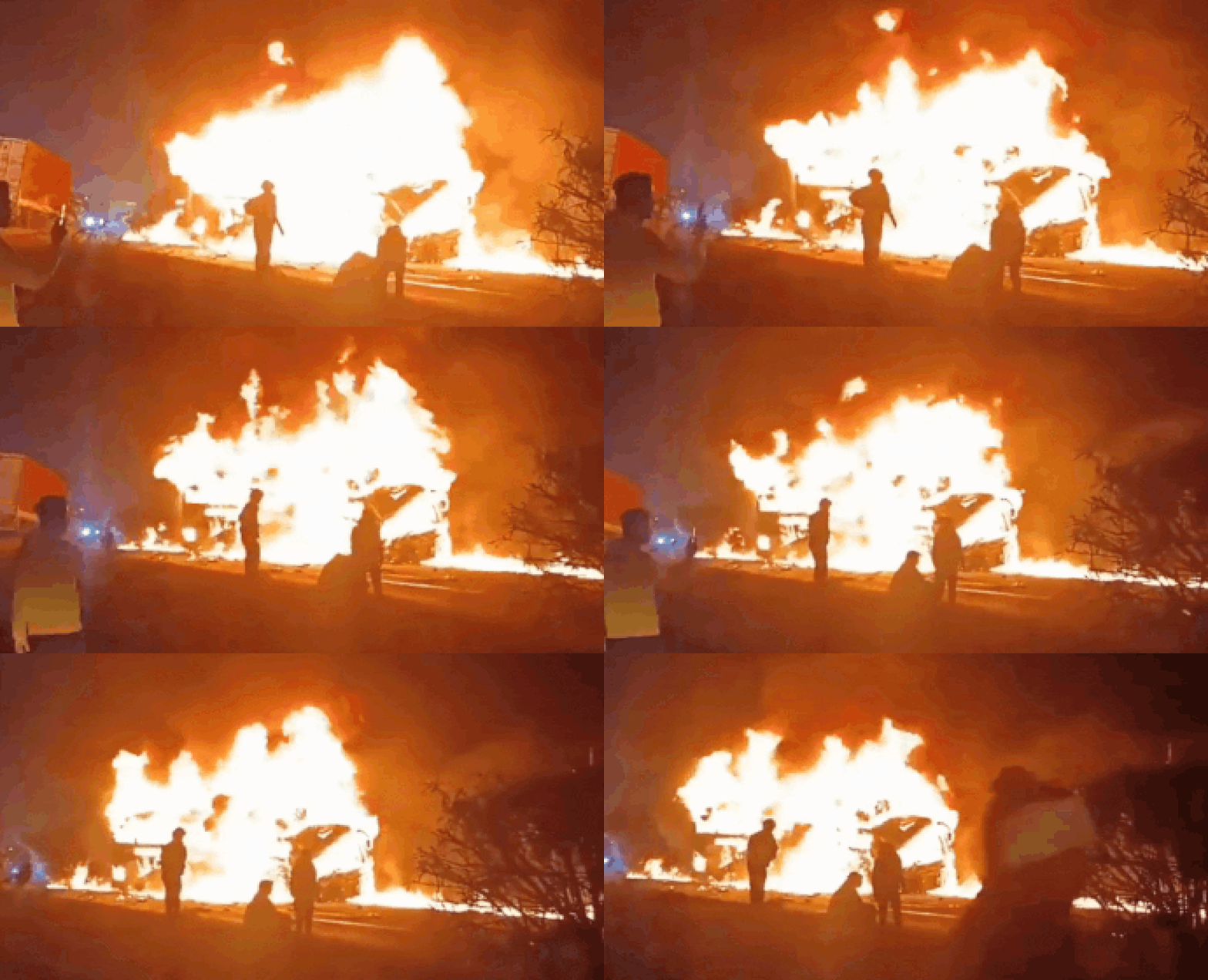
A devastating incident unfolded in Karnataka’s Chitradurga district early on Thursday morning, where a private bus travelling from Bengaluru to Shivamogga caught fire after a collision with a lorry. Over ten people are feared dead in this tragic accident, which occurred around 2am on National Highway-48 (NH-48), sending shockwaves across India.
This heartbreaking event highlights persistent concerns regarding road safety and public transport infrastructure. General readers and news consumers are increasingly vigilant about travel security, and such incidents underscore the urgent need for enhanced safety measures and stricter enforcement of traffic regulations across the country.
Nine passengers reportedly escaped unhurt from the Chitradurga incident, while authorities shifted the injured to hospitals in Hiriyur and Chitradurga for immediate medical attention. This follows closely on the heels of another major accident just the day before.
The current affairs landscape frequently sees reports of such tragedies, prompting renewed calls for vigilance. This analysis explores the immediate impacts and broader implications for public safety and ongoing efforts to mitigate road risks in India.
Detailed Analysis
The recent Karnataka bus tragedy marks another grim reminder of the challenges India faces in ensuring road safety. While specific circumstances vary, the common thread of severe consequences remains. Historically, the nation grapples with one of the highest rates of road accidents globally, often attributed to a confluence of factors including driver error, vehicle maintenance issues, and road infrastructure shortcomings. The incident in Chitradurga, occurring in the early hours of Thursday, December 25, 2025, aligns with a broader trend of night-time accidents, which can be particularly deadly due to reduced visibility and potential driver fatigue. This event underscores the critical need for continuous vigilance and proactive measures to prevent such catastrophes.
Detailed analysis of the Chitradurga incident reveals a collision between a private bus and a lorry on NH-48, leading to the bus catching fire. The severe nature of the fire resulted in more than ten fatalities, as reported by PTI. Emergency services swiftly responded, moving the injured to Hiriyur and Chitradurga hospitals, while nine passengers remarkably escaped without harm. This tragedy occurred during a journey from Bengaluru to Shivamogga, a busy route frequently used by commuters. A separate, equally horrific incident occurred just the preceding day in Tamil Nadu, where a state-run bus veered into oncoming traffic after a tyre burst, colliding with two private vehicles. That accident killed nine individuals, including seven occupants from the private vehicles, and left four others, including two children, with serious injuries requiring hospital treatment. The bus, traveling from Tiruchirappalli to Chennai, lost control, climbed the road median, and crossed into the opposite lane before the fatal impact.
Comparing these two recent bus accidents highlights differing immediate causes but a shared devastating outcome. The Chitradurga tragedy stemmed from a collision and subsequent fire, suggesting potential issues with driver alertness, vehicle safety standards, or traffic conditions. In contrast, the Tamil Nadu incident was triggered by a tyre burst, pointing towards potential vehicle maintenance lapses or material defects. Both events, however, occurred on national highways, critical arteries for public transport, and involved significant loss of life, primarily affecting bus passengers and occupants of other vehicles. These incidents collectively underscore the persistent vulnerability of commuters to road hazards, irrespective of the specific trigger. They also emphasize the complex interplay of human error, mechanical failure, and infrastructure limitations that contribute to India’s high accident rates, urging a multi-faceted approach to road safety.
For general readers and news consumers, these repeated tragedies serve as a stark reminder of the inherent risks associated with road travel and the profound impact on families and communities. While specific data on bus operator safety records is not disclosed in the source, these events should prompt greater public discourse and government action on improving vehicle fitness tests, driver training, and emergency response mechanisms. Commuters should remain vigilant and advocate for safer transport standards. Moving forward, stakeholders must closely monitor the outcomes of investigations into both incidents, as their findings could inform crucial policy changes and enforcement drives. Ultimately, a sustained, collaborative effort involving transport authorities, operators, and the public is essential to forge a path towards significantly safer roads in India.
About the Author