Key Takeaways
Nasry Asfura’s contested Honduras win heightens emerging market geopolitical risk. Analyze investment implications, stability, and trade dynamics for 2025.
Overview
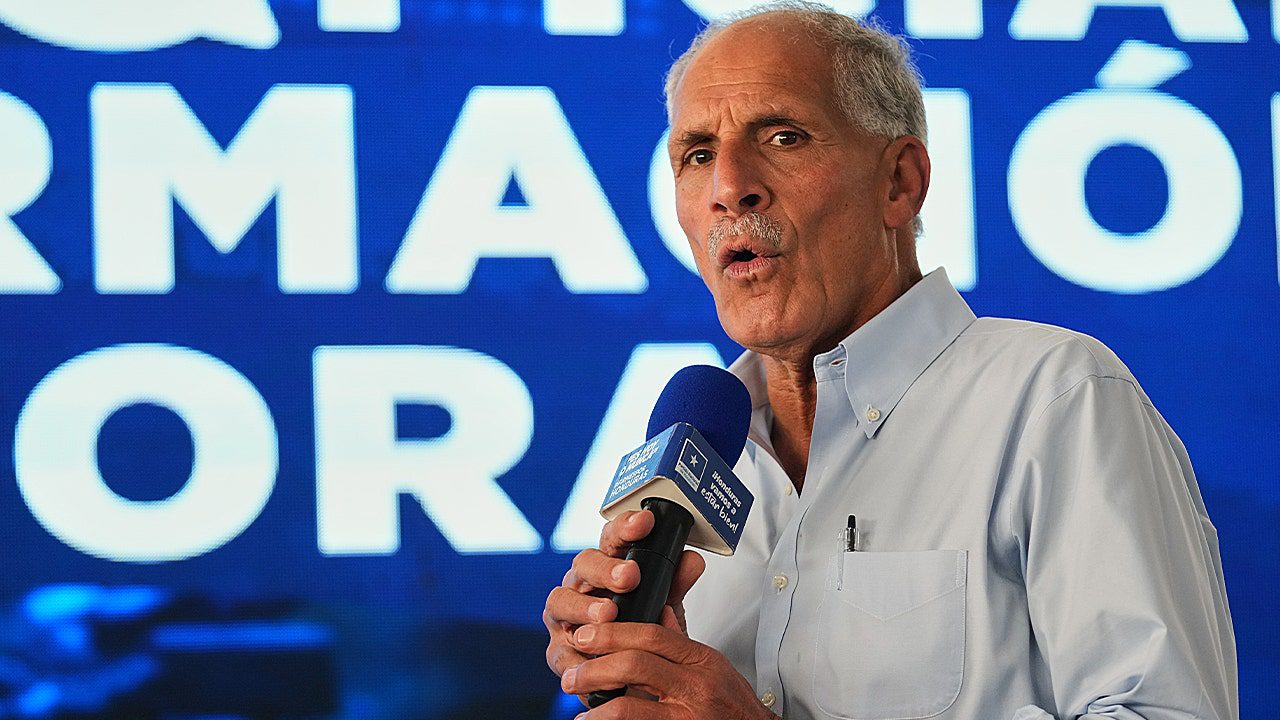
The recent presidential election in Honduras, culminating in a razor-thin victory for Nasry Asfura of the right-of-center National Party of Honduras (PNH) in December 2025, introduces a complex layer of geopolitical risk for investors monitoring emerging markets. This outcome, secured with a notable endorsement from former President Trump, shifts the political landscape of Central America and warrants careful attention from Retail Investors, Swing Traders, Long-term Investors, and Finance Professionals.
The tightly contested result and the subsequent allegations of vote-rigging, coupled with significant delays in vote counting, underscore potential political instability. Such events often translate into heightened risk premiums and could influence investment sentiment across broader emerging market portfolios.
Asfura secured 40.3% of the vote against Liberal Party candidate Salvador Nasralla’s 39.5%, a mere 0.8% difference. Approximately 15% of tally sheets required a manual recount due to technical glitches and disputes, highlighting the fragility of the electoral process.
This analysis delves into the immediate and long-term investment implications, focusing on market stability, foreign direct investment, and sector-specific considerations relevant to the Indian financial landscape and global market dynamics.
Key Data
| Candidate | Party | Vote Share (%) | Status |
|---|---|---|---|
| Nasry Asfura | National Party of Honduras (PNH) | 40.3% | Declared Winner |
| Salvador Nasralla | Liberal Party | 39.5% | Challenged Results |
| Rixi Moncada | LIBRE Party | Distant Third | Defeated |
Detailed Analysis
The Honduran presidential election, concluding with Nasry Asfura’s victory, marks a significant political shift in Central America. Historically, political transitions in emerging economies often introduce a period of market uncertainty, leading investors to re-evaluate sovereign risk and potential impacts on foreign direct investment (FDI). The context of this election — a razor-thin margin, days of delayed vote counting, and serious allegations of vote-rigging — amplifies this uncertainty. Geopolitical events of this nature, even in smaller economies, can contribute to a broader sentiment towards emerging markets, influencing capital flows and investor confidence globally. Understanding these dynamics is crucial for investors with exposure to international equities or those evaluating global macroeconomic trends influencing the NSE and BSE.
Asfura’s win, by a mere 0.8 percentage points (40.3% to 39.5%) against Salvador Nasralla, after 15% of the ballots required manual recount due to technical glitches, highlights the deeply polarized political environment. The former Tegucigalpa mayor, known for his focus on infrastructure and public order, received a high-profile endorsement from former President Trump, who also alluded to a pardon for a former Honduran president convicted of drug trafficking. While the U.S. Secretary of State Marco Rubio officially congratulated Asfura, the head of the Honduran Congress rejected the results as an ‘electoral coup.’ This divergence in recognition and the ongoing dispute regarding the validity of the results inherently escalates political risk. For financial professionals, such an outcome necessitates a closer look at the stability of the new administration, its ability to implement policy, and its stance on international economic relations, all of which directly affect the investment climate.
Comparing Honduras to other emerging markets experiencing contested electoral outcomes reveals common investor reactions, including a temporary flight to safety or increased demand for risk-off assets. The accusations of an ‘algorithm’ changing data, similar to prior elections, could undermine institutional trust, a critical factor for attracting long-term capital. While specific financial metrics for Honduras’s direct impact on the Indian stock market (Nifty, Sensex) remain negligible given its limited trade ties, the event serves as a bellwether for global emerging market sentiment. Investors often lump developing economies together, and perceived instability in one region can trigger broader risk aversion, potentially affecting capital flows to other emerging markets including India. [Suggested Line Graph: EM FX Volatility vs. Political Risk Index (Past 12 Months), showing correlation of political events with currency fluctuations across emerging markets]
For Retail Investors and Swing Traders, monitoring geopolitical events like the Honduran election is vital for assessing overall market risk, especially for diversified portfolios with international exposure or those holding sector-specific investments sensitive to global trade and stability. Long-term Investors and Finance Professionals should conduct enhanced due diligence on any Latin American holdings, evaluating the potential for regional ripple effects. Key metrics to watch include shifts in foreign policy under Asfura, potential changes in trade agreements, and the new government’s commitment to tackling corruption, as these factors directly impact the country’s economic outlook and its appeal for foreign capital. While direct investment opportunities for Indian investors in Honduras may be limited, the broader implication for emerging market risk assessment remains a critical component of global investment strategy.
About the Author