Key Takeaways
Honduras election outcome amidst fraud allegations impacts global market sentiment. Analysts assess geopolitical risks, US relations, and emerging market investment implications for 2025.
Overview
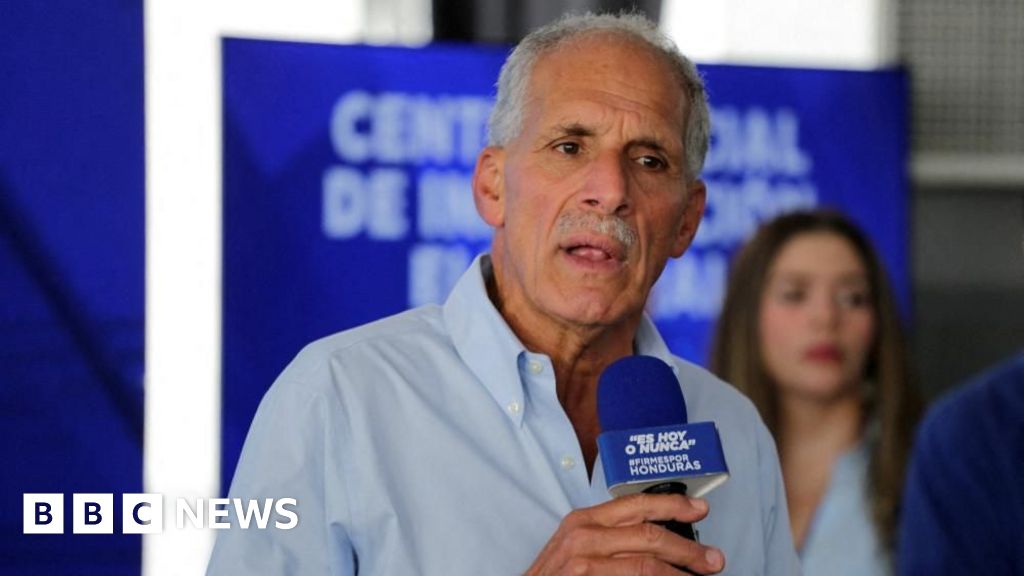
The recent declaration of Nasry Asfura as the winner of the Honduras presidential election, following weeks of technical delays and serious allegations of fraud, introduces a notable element of geopolitical uncertainty for global investment considerations. This development, heavily influenced by US President Donald Trump’s backing, provides a crucial case study for investors assessing political risk in emerging markets. Indian investors, monitoring the global landscape, should understand how such events can influence broader market sentiment and capital allocation strategies.
For Retail Investors, Swing Traders, and Long-term Investors, this situation in Honduras serves as a reminder of the inherent volatility and non-market risks associated with international portfolios. It underscores the importance of a nuanced understanding of political stability and electoral integrity when evaluating investment opportunities beyond domestic Indian markets, such as the NSE or BSE.
Asfura secured 40.3% of the vote against Salvador Nasralla’s 39.5%, a narrow margin compounded by alleged irregularities and hand-counting of 15% of tally sheets. The US Secretary of State urged respect for results, contrasting sharply with local claims of an “illegal” outcome, highlighting the deep divisions.
This analysis will delve into the broader financial implications of political instability, the role of international influence, and the critical metrics finance professionals should monitor to mitigate risk in an interconnected global economy.
Detailed Analysis
Geopolitical stability is a foundational pillar for sustained economic growth and investor confidence, particularly in the sensitive landscape of emerging markets. The prolonged and contentious election process in Honduras, culminating in Nasry Asfura’s narrow victory amidst significant fraud allegations and technical outages, exemplifies the heightened political risk factors that can influence global capital flows and market sentiment. Historical patterns often show that electoral disputes and allegations of systemic irregularities deter foreign direct investment and portfolio investment, increasing the perceived risk premium for a country. This scenario in Honduras, while geographically distant from the core Indian Stock Market, provides valuable context for Indian investors assessing their exposure to global emerging market funds or companies with significant international operations.
The timeline of events, including the initial vote on November 30, followed by multiple delays and the eventual declaration, reflects a process marred by controversy. These delays, which electoral officials termed “inexcusable” and attributed to the private company responsible for tabulation, created an environment ripe for suspicion. Furthermore, claims of an “electoral coup” and “interference” from US President Donald Trump by outgoing President Xiomara Castro added layers of complexity, directly linking international political figures to the domestic electoral integrity. Trump’s open endorsement of Asfura, coupled with threats of “hell to pay” if his lead was overturned and a potential withdrawal of US financial support, signals an aggressive foreign policy posture that, while aimed at securing a specific political outcome, inevitably amplifies the political risk profile of the nation in the eyes of international investors.
A closer look at the detailed electoral outcome reveals Asfura’s victory with 40.3% of the vote, narrowly surpassing Salvador Nasralla’s 39.5%. Such a tight margin, coupled with the necessity for 15% of the tally sheets to be counted manually due to system failures, underscores the fragility of the electoral process. Allegations of manipulation by “corrupt people” from Nasralla further erode institutional trust. For finance professionals, these details are not mere political footnotes; they are critical indicators of governance risk, rule of law, and potential for social unrest—all factors that directly impact investment valuations and the stability of local markets. The divided response, with US Secretary of State Marco Rubio urging respect for the results to ensure a peaceful transition, contrasted by the country’s Congress president Luis Redondo’s assertion that the result was “completely illegal,” signals ongoing political friction that could impede the new administration’s ability to govern effectively and enact investor-friendly policies. The pardon of Juan Orlando Hernandez, a member of Asfura’s party, by the US President, while serving a 45-year jail sentence, further complicates the perception of impartial governance and rule of law.
From a financial analysis perspective, sustained political instability can manifest in several ways: currency depreciation, increased sovereign bond yields, and a downturn in the local stock market index. While Honduras is a smaller economy, such events contribute to a broader perception of risk across the emerging market asset class. Comparing Honduras’s situation to other developing nations that have faced similar electoral disputes, a common trend is a temporary, but sometimes significant, flight of capital as investors seek safer havens. This can lead to liquidity issues, higher borrowing costs, and slower economic growth, directly impacting local businesses and, by extension, the financial instruments tied to them. The long-term implications for US-Honduras bilateral and regional security cooperation, particularly concerning economic ties and illegal immigration, as noted by Rubio, could create new policy landscapes that either enhance or detract from investment opportunities. This could impact sectors like manufacturing, agriculture, or infrastructure, depending on the focus of renewed cooperation or potential trade adjustments. Investors must consider these factors when evaluating the long-term viability and return potential of assets in politically volatile regions. A robust risk assessment should include scenario planning for various post-election stability outcomes.
For Retail Investors navigating the complexities of global markets, understanding that political events, even in smaller nations, can ripple through the global investment ecosystem is paramount. Such developments contribute to the overall risk perception of emerging markets, impacting the performance of diversified portfolios or internationally focused mutual funds. It emphasizes the need for thorough due diligence and a balanced approach to global diversification, particularly when considering allocations to geographies with higher political volatility. Swing Traders should keenly monitor any shifts in US foreign policy rhetoric or actual policy implementation towards Honduras, as these could trigger short-term market reactions in specific commodity markets or currency pairs if Honduras holds significance in those areas. The uncertainty stemming from electoral disputes often creates periods of heightened volatility that can be either opportunities or traps, depending on one’s analytical rigor and risk management strategies.
Long-term Investors and Finance Professionals should deepen their analysis beyond headline news to assess the underlying institutional strength and rule of law in countries like Honduras. The ability of the incoming administration to effectively address the fraud allegations, unite a divided populace, and maintain a predictable policy environment will be crucial. Key metrics to monitor include the resolution of any legal challenges to the election, the new government’s economic policy announcements, and ongoing US-Honduras diplomatic relations. Any signs of prolonged unrest or international sanctions could significantly elevate the country’s risk profile, potentially leading to credit rating downgrades or a sustained negative outlook from international financial institutions. Conversely, a swift and peaceful resolution, followed by credible governance and policy stability, could present unique long-term entry points for patient capital seeking value in a recovering market, especially if the new administration focuses on strengthening economic ties and promoting investor confidence. The broader implications for the investment landscape, including potential impacts on global supply chains or regional stability, mandate a vigilant and adaptive investment strategy for participants in the Indian stock market and beyond.
About the Author