Key Takeaways
Brokerages initiate ‘Buy’ on Orkla India with ₹800 target. Analyze its market dominance, 9-11% CAGR, and margin expansion for investors.
Overview
Leading brokerage houses have initiated a robust ‘Buy’ rating on Orkla India, setting a compelling target price of ₹800. This positive outlook for the Stock Market India participant underscores its established market dominance in key southern states and strategic growth levers, signaling a significant opportunity for investors.
This analysis offers crucial insights for Retail Investors, Swing Traders, Long-term Investors, and Finance Professionals, highlighting the potential for substantial capital appreciation driven by Orkla India’s strategic market penetration and enhanced operational efficiencies.
Key financial projections include a Current Market Price (CMP) of ₹612 against the ₹800 target, alongside projected Revenue CAGR of 9%, EBITDA CAGR of 11%, and PAT CAGR of 10% over the FY25-28E period.
Investors should diligently examine Orkla India’s strong positioning, robust financial forecasts, and inherent market risks to refine their Investment and Trading strategies within the dynamic Indian consumer goods sector.
Key Data
| Metric | Current/Estimate | Target/Projection | Change/CAGR (FY25-28E) |
|---|---|---|---|
| Current Market Price (CMP) | ₹612 | — | — |
| Target Price (TP) | — | ₹800 | ↑ 30.7% |
| Revenue CAGR (FY25-28E) | — | — | 9% |
| EBITDA CAGR (FY25-28E) | — | — | 11% |
| PAT CAGR (FY25-28E) | — | — | 10% |
| EBITDA Margin (FY28E) | ~16.6% (Implied) | 17.6% | ↑ 100bps |
Detailed Analysis
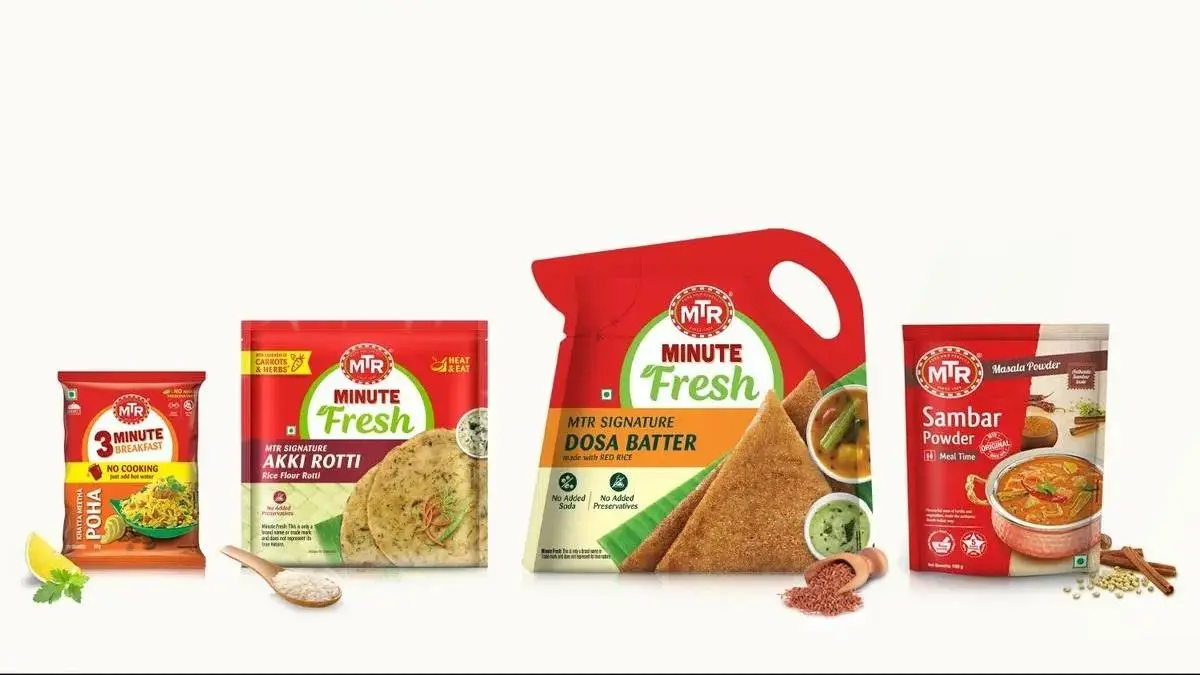
Orkla India’s recent ‘Buy’ recommendation by leading brokerages positions it as a noteworthy prospect within the Indian Fast-Moving Consumer Goods (FMCG) sector. This positive sentiment arises from the company’s deeply entrenched market dominance, particularly through its legacy brands MTR and Eastern, which command substantial market share in Karnataka, Kerala, Andhra Pradesh, and Telangana. This regional stronghold is not accidental; it reflects a meticulous understanding of local consumer tastes and preferences, forging a competitive barrier against broader national competitors. The strategic diversification across spices and convenience foods effectively caters to both traditional culinary habits and evolving urban consumer demands, maintaining its relevance in India’s rapidly modernizing market landscape. Amidst a dynamic Stock Market India, such focused regional leadership often translates into resilient financial performance and investor confidence, offering a compelling narrative for financial analysis.
Orkla India’s projected growth trajectory, underpinning the ₹800 target price, rests on a multi-pronged strategy. Domestically, the company forecasts an 8% CAGR over FY25-28E, driven by increasing household penetration and a strategic expansion of its product portfolio. A significant, yet often underestimated, contributor to its robust financial outlook is the export business, which currently constitutes a substantial 21% of total revenue. Orkla India holds an impressive 22% share in branded spice exports, leveraging rising global demand from the Indian diaspora. Export revenue is anticipated to grow at a robust 12% CAGR, further bolstering its overall financial health. The company projects a 9% Revenue CAGR, 11% EBITDA CAGR, and 10% PAT CAGR over FY25-28E, supported by a solid 6% volume growth. Furthermore, enhanced operational efficiencies and a refined product mix are expected to expand the EBITDA margin by 100 basis points, targeting 17.6% by FY28E. This margin expansion is pivotal, as it is expected to drive a meaningful improvement in underlying Return on Capital Employed (ROCE), signaling greater capital efficiency for long-term investors.
Orkla India’s regional expertise and established brand equity provide a crucial competitive advantage against the multifaceted competition, ranging from large national conglomerates to fragmented local players in specific product categories. While the broader FMCG sector remains intensely competitive, Orkla India’s focus on authentic taste and quality, particularly in its spice segment, facilitates premiumization opportunities. However, the company faces inherent external pressures, notably commodity volatility, which could impact input costs and profitability. Additionally, the fragmented and often unorganized nature of the traditional spices market poses challenges for sustained market share expansion. Brokerage analysis highlights potential for ‘selective acquisitions,’ indicating a proactive strategy to consolidate market position or diversify offerings, which could serve as a significant differentiator against peers. This proactive approach, coupled with strong operational fundamentals, helps solidify its position in the Indian Investment landscape. [Suggested Matrix Table: Orkla India Growth Projections vs. FMCG Sector Averages (FY25-28E)] This comparative visual would effectively underscore Orkla India’s anticipated performance relative to broader industry trends, providing critical context for its investment appeal.
For Retail Investors and Long-term Investors, the ‘Buy’ rating and the DCF-based target price of ₹800 from the current market price of ₹612 offer a compelling long-term wealth creation opportunity. Orkla India’s consistent domestic growth, strong export potential, and improving operational metrics such as EBITDA margin and ROCE underpin this positive outlook. Swing Traders and Finance Professionals should closely monitor the projected 6% volume growth and the 100 basis points EBITDA margin expansion, as these operational improvements can act as key catalysts for stock performance in the medium term. Critical risks include commodity price fluctuations and the intensity of competition from unorganized players, which could impact future profitability. Furthermore, upcoming announcements regarding potential acquisitions or new product launches will serve as crucial indicators for future performance and strategic direction, reinforcing its position within the broader Investment and Financial Analysis landscape on the NSE and BSE. Diligent monitoring of these factors will be key to navigating trading decisions effectively.
About the Author