Key Takeaways
Gadkari urges tech innovation for India’s clean mobility. Explore EV, hydrogen, and battery tech opportunities for startups, developers & innovators in 2025.
Overview
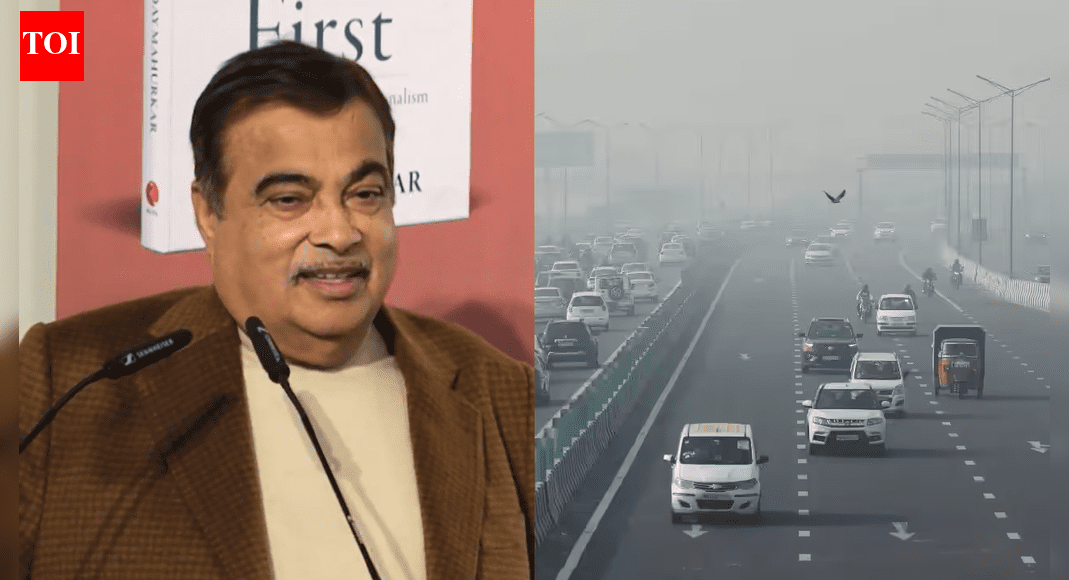
Union Minister Nitin Gadkari has sounded a powerful alarm on Delhi’s severe air pollution, directly linking it to India’s heavy reliance on fossil fuels and spotlighting the transport sector’s significant contribution. His personal experience of falling ill after just two days in the capital underscores the urgent need for robust technological intervention.
For Tech Enthusiasts, Innovators, Early Adopters, Developers, and Startup Founders, this serves as a critical call to action, opening vast opportunities in the burgeoning clean mobility space. The minister’s advocacy signals strong governmental backing for sustainable tech solutions, making this a pivotal moment for innovation in India.
Key data reveals the transport sector accounts for approximately 40% of Delhi’s pollution, and India spends an astounding Rs 20 lakh crore annually on fossil fuel imports. This economic burden, coupled with environmental degradation, highlights the dual imperative for change.
The shift towards electric and hydrogen-based mobility, already gaining traction with declining battery costs and viable alternatives, is set to redefine India’s energy landscape. Monitoring policy developments and startup advancements in battery technology will be crucial for the upcoming year.
Key Data
| Metric | Traditional (Fossil Fuel) | Innovative (Clean Mobility) | Impact/Trend |
|---|---|---|---|
| Transport Pollution Share (Delhi) | ~40% | Near 0% (EV/Hydrogen) | Significant Reduction Potential |
| Annual Fuel Import Bill (India) | Rs 20 Lakh Crore | Reduced via Domestic Fuels | Massive Economic Savings |
| Lithium Battery Cost/kWh | $150 (Past) | $55 (Current) | ~63% Price Decrease |
| Vehicle Running Cost | Petrol (Variable, higher) | ~Rs 25/Litre Equivalent | Enhanced Affordability |
Detailed Analysis
India stands at a critical juncture where environmental imperatives intersect directly with technological opportunity. The persistent challenge of urban air pollution, starkly highlighted by Union Minister Nitin Gadkari’s recent remarks, is not merely an ecological crisis but a powerful catalyst for unprecedented innovation in the clean mobility sector. Historically, India’s rapidly expanding economy has been heavily reliant on imported fossil fuels, a dependency that not only exacts a staggering economic toll of approximately Rs 20 lakh crore annually but also underpins the very air quality issues now plaguing major cities like Delhi.
The urgent narrative articulated by Gadkari underscores a significant shift in governmental perspective, viewing the pivot towards electric and hydrogen-powered transport as a matter of both environmental necessity and national economic independence. This vision aligns with global efforts to decarbonize transport and presents a fertile ground for Technology India. The minister’s detailed account of a 100% clean-running vehicle achieving a cost equivalent to Rs 25 per litre of petrol, with zero emissions, provides a tangible benchmark for what is already achievable. This is further bolstered by the dramatic decline in lithium battery costs, dropping from $150 per kilowatt-hour to just $55, making electric vehicles increasingly viable and accessible to a broader market segment.
Compared to a decade ago, when electric mobility was nascent and prohibitively expensive, the current landscape is vastly different. The substantial reduction in battery costs positions India competitively in the global EV market. This progress is mirrored by emerging alternative technologies, such as the sodium-ion battery technology developed by a BTech student – dubbed ‘lemon technology’ using aluminium sheets. This innovation points to a future less dependent on specific rare earth minerals and more on domestic ingenuity, a critical differentiator from traditional fossil fuel vehicles which contribute significantly to the 40% pollution share attributed to the transport sector in Delhi.
For Tech Enthusiasts, Innovators, Early Adopters, Developers, and Startup Founders, this evolving scenario presents immense opportunities. The emphasis on domestic alternatives, coupled with declining costs of core components like batteries, creates a conducive environment for developing new products and solutions in battery tech, hydrogen production, and charging infrastructure. Startups focusing on sustainable transport tech, from advanced materials for energy storage to smart grid solutions for EV charging, stand to benefit significantly. Key metrics to monitor include further advancements in solid-state batteries, commercial deployment of hydrogen fuel cell vehicles, and policy incentives for indigenous clean tech research and manufacturing, all pivotal for driving India’s innovation agenda forward.
About the Author