Key Takeaways
Pennsylvania nursing home tragedy spotlights elder care investment risks. Analyze sector safety costs, insurance impact, and regulatory shifts for informed portfolio decisions.
Overview
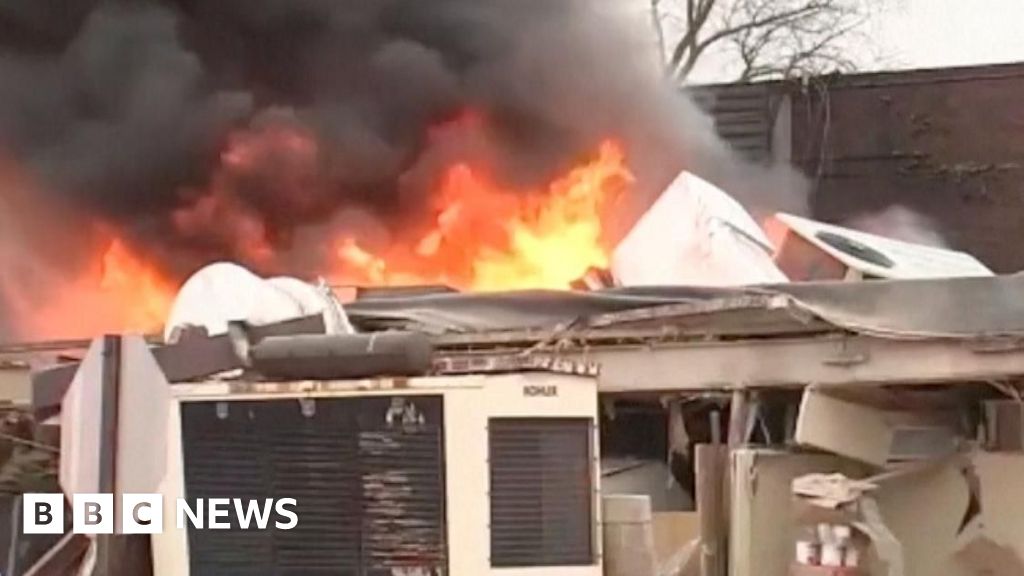
A devastating incident at a Pennsylvania nursing home, tragically claiming two lives and injuring many, sends ripples through the broader elder care investment landscape. This event underscores critical operational risks within the sector, prompting a re-evaluation of safety protocols and their financial implications.
For Retail Investors, Swing Traders, and Finance Professionals, this tragedy highlights potential liabilities for healthcare REITs and insurance providers, necessitating a closer look at portfolio exposure and risk management strategies in a demographic-driven growth sector.
Authorities confirmed two fatalities and numerous injuries, with five individuals still unaccounted for following the Tuesday afternoon blast. The exact financial fallout, including specific claims or market impacts, remains under active investigation and is not yet publicly disclosed.
This analysis delves into the short-term market reactions, medium-term regulatory considerations, and long-term investment shifts anticipated across the elder care and insurance sectors.
Detailed Analysis
The sudden and violent explosion at the Silver Lake Nursing Home in Bristol, Pennsylvania, while a localized tragedy, carries significant implications for the publicly traded elder care and healthcare real estate sectors. This incident, preceded by reports of a gas odour and resulting in a partial facility collapse and fire, immediately casts a spotlight on operational safety standards, infrastructure maintenance, and emergency preparedness within senior living facilities. For investors, particularly those holding stakes in healthcare REITs or companies operating such facilities, this event serves as a stark reminder of inherent operational risks that can translate directly into financial liabilities and reputational damage. The elder care sector, often viewed as a defensive play fueled by an aging global population, relies heavily on stringent safety compliance and robust risk management to maintain investor confidence and operational stability.
Detailed examination of the incident reveals critical triggers for financial reassessment. The reported gas odour before the blast points towards potential infrastructure failure or maintenance negligence. Such a scenario could lead to substantial insurance claims, increased regulatory fines, and heightened legal scrutiny, impacting profitability margins for operators and yield stability for real estate owners. The immediate chaos, involving heroic rescue efforts through windows and stairwells, underscores the vulnerability of residents and the complex logistical challenges of emergency evacuations. Finance professionals will be closely watching the investigation for details on the cause, as findings could trigger sector-wide mandates for safety retrofits, escalating capital expenditure for existing facilities. This heightened cost burden, if widespread, could compress margins and affect dividend payouts from relevant investment vehicles.
Comparatively, while direct peer analysis with specific financial metrics is not disclosed in the immediate aftermath, similar industry incidents globally have consistently led to increased insurance premiums for the affected sector, stricter regulatory oversight, and a re-prioritization of ESG (Environmental, Social, and Governance) factors in investment decisions. Historically, events highlighting systemic safety lapses in any sector typically drive down market sentiment for related stocks in the short term, leading to potential re-pricing of risk. For instance, any company with significant exposure to a single facility type or geographic region might face disproportionate market reaction. Regulatory bodies, often spurred by public outcry, tend to review and update building codes and operational safety protocols, creating new compliance costs that can impact balance sheets across the entire sector. This dynamic positions companies with superior safety track records and proactive maintenance regimes at a competitive advantage.
For Retail Investors, Swing Traders, and Long-term Investors, the Pennsylvania explosion underscores the need for meticulous due diligence in the healthcare and elder care investment segments. Long-term investors should prioritize companies with strong governance, transparent safety records, and diversified asset portfolios that mitigate single-point failure risks. Monitor for any announcements from major insurance underwriters regarding changes in policy or premiums for senior living facilities, as these will directly impact operational costs. Swing traders may find short-term volatility in stocks with direct or indirect exposure, potentially identifying entry or exit points based on market overreactions or perceived shifts in liability. Finance professionals should integrate potential disaster recovery costs and regulatory compliance into valuation models for elder care providers. Upcoming metrics to watch include any changes in sector-specific insurance rates, new legislative proposals concerning elder care safety, and the quarterly reports of healthcare REITs for increased provisions or capital expenditures related to safety upgrades. The outcome of the ongoing investigation will be paramount in shaping the sector’s future risk profile.
About the Author