Key Takeaways
India-Bangladesh diplomatic ties face deep crisis amid violent protests and accusations. Analyze escalating tensions, stakeholder impacts, and regional security implications.
Overview
A severe diplomatic crisis is gripping **India-Bangladesh relations**, pushing the historically close ties to a breaking point. The recent brutal killing of a Hindu man, Dipu Chandra Das, in Bangladesh amidst violent protests has ignited widespread outrage and intensified existing anti-India sentiment, leading to reciprocal accusations and diplomatic friction between Dhaka and Delhi.
This escalation significantly impacts News Readers, Policy Watchers, Informed Citizens, and Political Analysts, as it poses serious questions about regional stability, the safety of minorities, and the future trajectory of South Asian diplomacy. The long-standing, often complex, relationship between these two nations is now under unprecedented strain, demanding careful observation.
The incident on December 18, 2025, saw Dipu Chandra Das, a 27-year-old Hindu garment worker, lynched in Mymensingh following blasphemy allegations. This occurred during violent protests in Bangladesh, sparked by the murder of student leader Sharif Osman Hadi in Dhaka.
Diplomatic measures such as suspended visa services and summoned high commissioners underscore the immediate gravity of the situation, necessitating a thorough analysis of historical context, stakeholder perspectives, and policy implications for both nations as they navigate this volatile period.
Detailed Analysis
The recent surge in tensions between India and Bangladesh represents a significant deterioration of their bilateral relations, stemming from a complex interplay of domestic unrest, religious sensitivities, and historical grievances. The immediate catalyst was the horrifying lynching of Dipu Chandra Das, a Hindu minority in Bangladesh, following accusations of blasphemy. This tragic event, which included his body being tied to a tree and set alight, occurred against a backdrop of wider violent protests across Bangladesh, initially sparked by the murder of prominent student leader Sharif Osman Hadi in Dhaka. The alleged link of Hadi’s suspected killer to the Awami League, the party of the deposed prime minister Sheikh Hasina, and unconfirmed claims of the suspect fleeing to India, have further inflamed anti-India sentiment within Muslim-majority Bangladesh. These incidents have created a highly volatile atmosphere, reminiscent of past periods of strained relations, yet marked by a distinct intensity of suspicion and mistrust, as noted by former Bangladeshi diplomat Humayun Kabir.
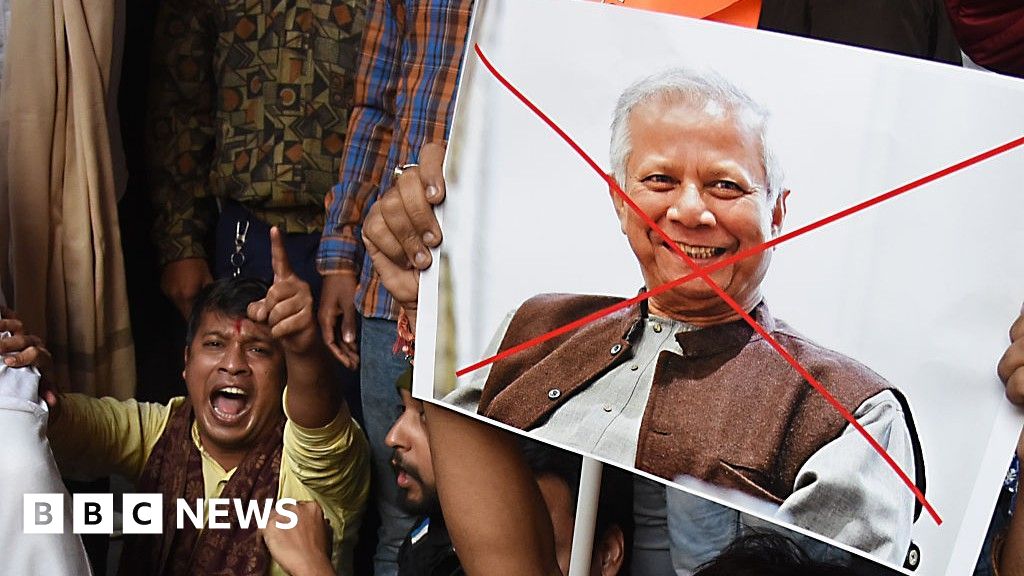
In response to the deteriorating situation, both nations have taken drastic diplomatic steps. India and Bangladesh have suspended visa services in several cities, including Delhi, a move with immediate practical implications for citizens and business. Furthermore, high commissioners from both countries have been summoned to address escalating security concerns regarding diplomatic missions. In India, Hindu nationalist groups have staged protests over Dipu Chandra Das’s killing, reflecting widespread anger and concerns for minority rights in Bangladesh. Conversely, Bangladesh strongly objected to a protest outside its diplomatic premises in Delhi, deeming it ‘unjustifiable.’ The interim government in Bangladesh, led by Nobel laureate Muhammad Yunus, is facing intense scrutiny for its perceived failure to maintain law and order and address the rising mob violence. They have, however, promised that perpetrators of Das’s killing will face justice, with 12 arrests reportedly made. This delicate balance of internal stability and external diplomatic relations underscores the multifaceted challenge confronting the leadership in Dhaka, particularly as religious fundamentalists appear to be gaining assertiveness, impacting civil society and minority groups.
The current state of India-Bangladesh relations can be contextualized by examining the historical undercurrents of anti-India sentiment in Bangladesh. A segment of the Bangladeshi population has consistently viewed India’s influence as overbearing, particularly during Sheikh Hasina’s 15-year tenure. This sentiment has been exacerbated since Hasina sought refuge in India following her deposition and Delhi’s subsequent refusal to repatriate her despite requests from Dhaka. Young leaders in Bangladesh have reportedly made provocative anti-India statements, contributing to widespread public anger. This anti-India rhetoric has manifested in direct actions, such as attempts by protesters to march toward the Indian high commission in Dhaka, which Bangladeshi security forces had to block. Further, the Indian assistant high commission building in Chittagong was pelted with stones, an incident that drew outrage from Delhi, even though the 12 detained individuals were later released without charge. These events demonstrate a significant erosion of trust and a breakdown in diplomatic decorum, highlighting a level of animosity previously unseen by seasoned diplomats like Humayun Kabir. The assertion by Asif Bin Ali, a Bangladeshi political analyst, that hardline elements are actively dehumanizing individuals and institutions by labelling them ‘pro-India’ to justify attacks, points to a dangerous narrative taking root within Bangladesh. This manipulation of public sentiment poses a severe threat to pluralism and diversity of thought within the country, targeting not only minorities but also secular-minded individuals and centrists who advocate for more inclusive societal norms. The vandalization and burning of two prominent Bangladeshi dailies, The Daily Star and Prothom Alo, along with a cultural institution, under accusations of being ‘pro-India,’ exemplify the escalating intolerance.
From a policy perspective, the crisis demands immediate and careful navigation from both Delhi and Dhaka. For India, a parliamentary panel has already identified developments in Bangladesh as ‘the greatest strategic challenge’ since Bangladesh’s independence war in 1971, highlighting the geopolitical significance of a stable and friendly neighbour. The current instability in Bangladesh, marked by increasing radicalization and mob violence, directly impacts India’s security, particularly its vulnerable north-eastern states, as underscored by Professor Ashok Swain. He also cautions against right-wing leaders on both sides inflaming tensions for political gain, emphasizing the responsibility of both governments to de-escalate rather than exacerbate public anger. The upcoming elections in Bangladesh, scheduled for February 12, are a critical juncture. With Sheikh Hasina’s Awami League banned, the Bangladesh Nationalist Party (BNP) is widely expected to win, although Islamist political parties like Jamaat-e-Islami pose a significant challenge, raising concerns about potential further violence and the exploitation of anti-India sentiments. India has indicated its willingness to engage with an elected government, which could pave the way for a much-needed diplomatic reboot. However, until a stable, elected government takes charge in Dhaka, the interim administration faces the daunting task of containing violence and restoring public confidence, a challenge made more complex by its perceived lack of control and legitimacy. Policy watchers and informed citizens on both sides must closely monitor the election process and the subsequent diplomatic overtures. The preservation of bilateral ties is paramount, not just for the immediate security and economic interests of India and Bangladesh, but for the broader regional stability of South Asia, urging leaders to prevent street-level anger from further damaging strategic relations and to foster an environment conducive to rebuilding trust and cooperation.
About the Author