Key Takeaways
US health agency expands weight-loss drug access for 2025. Analyze market impact on pharma stocks, GLP-1 manufacturers, and healthcare sector. Investor insights.
Overview
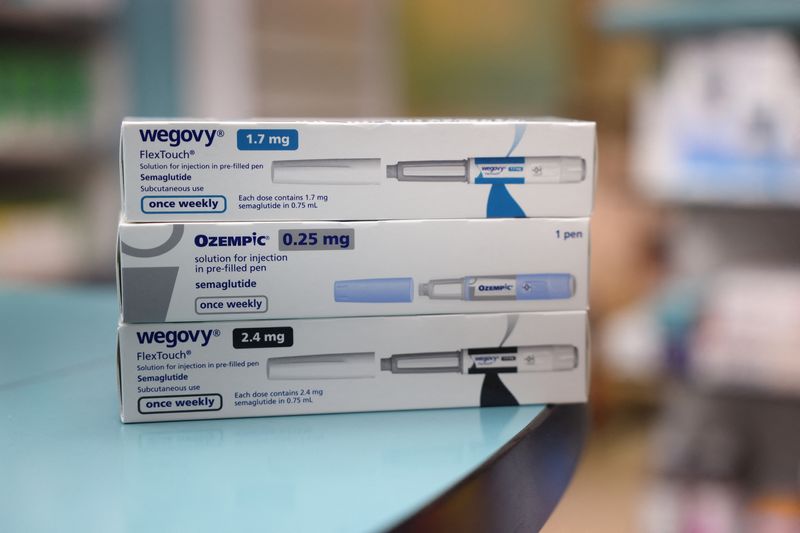
A leading US health agency recently unveiled a new coverage model for US weight-loss drugs, signaling a pivotal shift in public health policy. This development carries significant implications for pharmaceutical companies, healthcare providers, and the broader healthcare sector, potentially reshaping investment landscapes. Retail investors, swing traders, and long-term investors should closely monitor the evolving dynamics spurred by this expanded access.
While specific details regarding eligibility criteria and rollout timelines remain largely undisclosed, the announcement underscores a strengthened governmental commitment to addressing obesity as a treatable medical condition. This policy aims to bridge the gap between effective pharmacological interventions, particularly GLP-1 agonists, and patient affordability.
The move is poised to intensify competition among drug manufacturers and influence research & development efforts. The financial impact metrics are currently uncommunicated, necessitating careful monitoring of future disclosures.
Investors should prepare for potential demand surges, price adjustments, and strategic shifts within the pharmaceutical and healthcare industry as this model takes effect across the US, impacting the global investment climate and potential opportunities in Stock Market India.
Detailed Analysis
Global obesity rates have reached critical levels, burdening healthcare systems and contributing to a spectrum of chronic conditions, including type 2 diabetes and cardiovascular disease. Historically, weight management often proved challenging, with pharmacological interventions viewed as ‘lifestyle’ drugs and frequently excluded from insurance coverage. This created significant financial barriers, limiting access to effective treatments. However, the advent of highly efficacious GLP-1 agonists has revolutionized the treatment landscape, offering unprecedented prospects for medical weight management. The recent initiative by a leading US health agency, unveiling a new US weight-loss drug coverage model, marks a profound policy pivot. It formally reclassifies obesity as a treatable medical condition, aiming to dismantle historical access limitations and integrate these critical therapies into mainstream healthcare, thus addressing a major public health challenge. This fundamental re-evaluation sets a new precedent for investment in the healthcare sector.
While precise parameters of the new US weight-loss drug coverage model, such as eligibility criteria, patient cost-sharing mechanisms, or specific covered medications, are yet to be disclosed, its mere introduction implies substantial market repercussions. For pharmaceutical companies, especially those manufacturing GLP-1 agonists, this expansion suggests a significant surge in demand, likely influencing their production capacities and future research and development priorities. Healthcare providers can anticipate increased patient consultations and prescriptions for weight management, requiring enhanced infrastructure and specialized training. From an investment perspective, this translates to potential revenue growth opportunities for key players in the obesity therapeutics market, alongside heightened scrutiny on supply chain capabilities and market penetration strategies. The policy’s goal to improve health equity by reducing financial barriers could also expand the addressable market considerably, affecting long-term growth projections for relevant pharmaceutical firms and healthcare service providers.
This newly unveiled US weight-loss drug coverage model sharply contrasts with the previous fragmented and often restrictive insurance landscape. Historically, policies frequently excluded these medications or imposed prohibitive eligibility requirements, resulting in substantial out-of-pocket costs for patients and exacerbating health disparities. By broadening patient access, the new model is expected to intensify competitive pressures among GLP-1 agonist manufacturers. This increased competition could potentially drive innovation in product development and lead to price adjustments, as companies vie for market share within an expanded patient pool. Furthermore, this policy could establish a significant precedent for the integration of other high-cost chronic disease treatments into national healthcare frameworks. While detailed financial impact metrics remain undisclosed, this strategic shift signifies a broader reorientation of healthcare spending, prioritizing preventive health and proactive chronic disease management over reactive treatment of complications, a fundamental change for the entire sector.
For Retail Investors, Swing Traders, and Long-term Investors, this development presents both opportunities and risks within the Indian Stock Market, particularly for companies with US market exposure or those with comparable R&D in weight-loss solutions. The immediate focus should be on pharmaceutical companies heavily invested in GLP-1 agonist development and manufacturing, as increased demand could translate to revenue growth. However, investors must also consider potential long-term risks, including intensified price competition, evolving regulatory landscapes, and the operational challenges of scaling production. Key metrics to monitor include the specific rollout timelines, detailed eligibility criteria, patient uptake rates post-implementation, and any future disclosures on the policy’s financial impact. Tracking the stock performance of global pharmaceutical giants and Indian companies exploring similar R&D will be crucial. This policy embeds weight management firmly into mainstream healthcare, signaling a structural shift that demands strategic investment re-evaluation and careful risk assessment for sustained portfolio performance.
About the Author