Key Takeaways
Libya army chief’s death raises geopolitical risk. Analyze market stability, oil price sensitivity, and investment implications for India in 2025.
Overview
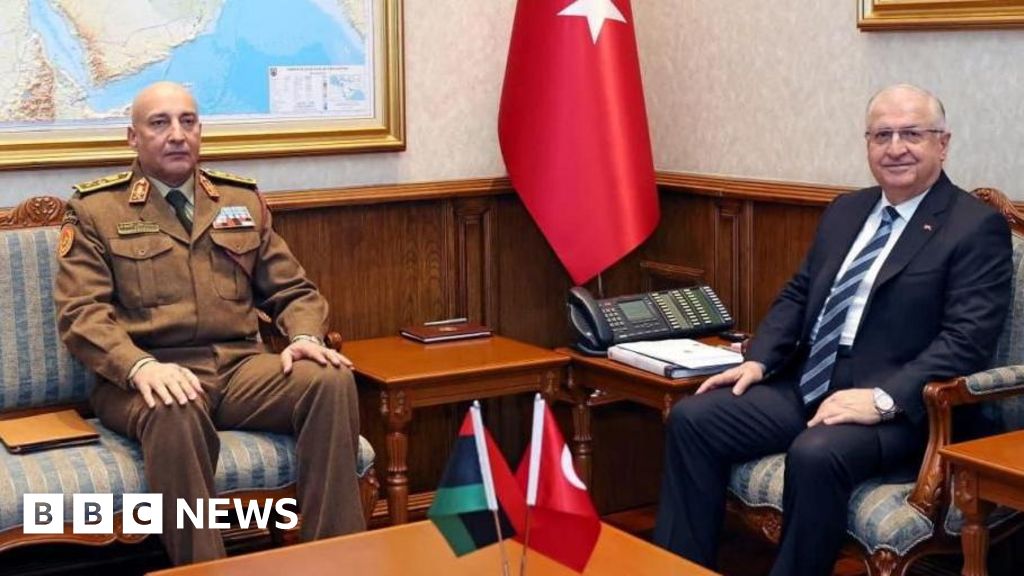
The sudden death of Libya’s army chief, Gen Mohammed Ali Ahmed al-Haddad, alongside four senior officials in a Turkey air crash, significantly amplifies geopolitical risk within the North African region. This incident introduces immediate uncertainty into market stability and investor sentiment, demanding close monitoring from finance professionals and retail investors alike.
For global financial markets, particularly those sensitive to energy supplies and regional stability, this event raises concerns about potential supply chain disruptions and heightened risk premiums in emerging markets. Investors should assess the implications for assets exposed to geopolitical volatility.
The incident occurred on Tuesday evening, with the Falcon 50 aircraft losing signal 42 minutes after takeoff from Ankara, following an emergency landing request. This tragic loss removes a key figure in Libya’s internationally-recognised Government of National Unity.
Our analysis delves into the short, medium, and long-term financial ramifications, focusing on investment implications and key metrics for monitoring the evolving landscape.
Detailed Analysis
Libya’s political landscape, inherently complex since the 2011 uprising, serves as a persistent focal point for geopolitical risk in the global investment calculus. The nation’s strategic position as an oil producer, coupled with its historical trajectory of internal conflict and external influence, means any disruption to its delicate stability resonates across international markets. The Government of National Unity (GNU), under Prime Minister Abdul Hamid Dbeibeh, represents a critical, internationally recognized endeavor to establish cohesive governance. General al-Haddad was instrumental in shaping Libya’s military strategy and security apparatus, particularly through crucial dialogues with allies like Turkey aimed at bolstering institutional capabilities. His unexpected demise removes a pillar from this fragile stability, potentially exacerbating an already high-risk environment for investors contemplating ventures in North Africa or the broader emerging markets.
The details surrounding the Falcon 50 crash, including the loss of contact and subsequent discovery of wreckage, initiate a rigorous investigation that carries profound financial implications beyond immediate human tragedy. For investors, the immediate concern shifts to the stability of the GNU and the potential for increased fractionalization among armed groups, which could lead to market volatility. The absence of a key military leader responsible for policy and defense planning at a critical juncture for security sector reform in Libya introduces a vacuum. This can translate into a higher perceived geopolitical risk premium for regional assets and potentially impact investment flows. Finance professionals will closely examine the appointment of a successor and the broader implications for security cooperation, particularly given Turkey’s significant strategic involvement, as these factors directly influence the investment climate.
Comparing this event to past geopolitical shocks in other oil-producing regions reveals a pattern of heightened market sensitivity to leadership changes and internal instability. While specific financial metrics for the immediate aftermath are still emerging, similar incidents have historically led to spikes in crude oil prices, increased demand for safe-haven assets, and currency fluctuations in affected regions. The incident also invites a comparative look at how other nations manage military and political transitions during periods of fragility; swift, decisive leadership succession can mitigate adverse market reactions, while prolonged uncertainty tends to amplify risk. The strategic military and security cooperation with Turkey, a significant regional player, could face temporary delays or recalibrations, impacting companies with existing or planned operations in these areas.
For Retail Investors, Swing Traders, Long-term Investors, and Finance Professionals, this incident underscores the imperative of integrating geopolitical risk into investment strategies. Short-term traders should prepare for potential increased volatility in commodity markets, particularly oil, and consider defensive positions. Long-term investors with exposure to emerging markets or the energy sector may need to re-evaluate their risk assessments for assets tied to North Africa’s stability. Key metrics to monitor include the progress of the crash investigation, official statements from Libyan and Turkish authorities regarding future military cooperation, and any signs of internal power struggles within the GNU. This event serves as a stark reminder that geopolitical developments can swiftly alter market dynamics, necessitating agile portfolio management and a deep understanding of interconnected global affairs for sound investment decisions.
About the Author