Key Takeaways
A Laos ferry sinking led to panic and rescue of 140+ tourists. Learn about the tragedy, safety concerns, and its impact on global travel news.
Overview
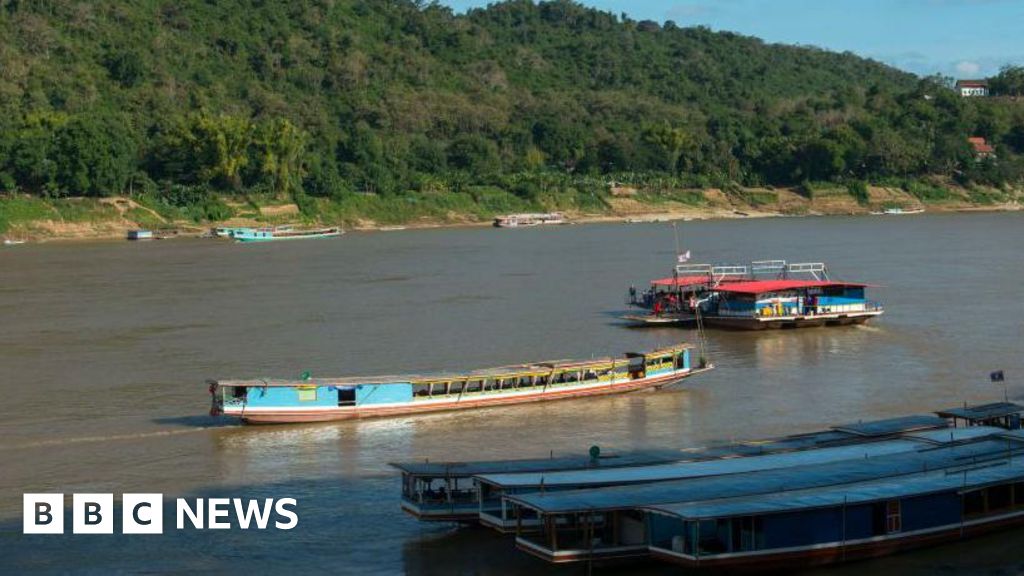
A serene Thursday in Laos tragically saw a ferry capsized in the Mekong River, affecting over 140 people, predominantly tourists. This became urgent breaking news globally. While most were rescued, three lives were reportedly lost, with efforts ongoing for one missing child.
Eyewitnesses recounted intense panic and cries for help. For General Readers and News Consumers, this incident critically underscores the risks in popular tourist routes.
The boat, carrying 118 tourists and 29 locals, struck underwater rocks. A survivor noted a severe lack of “15 life jackets maximum” for the 147 onboard during the Laos ferry sinking, compounding the crisis.
This tragedy on a frequented route demands a sharp focus on systemic safety gaps, a key update for India News audiences monitoring global travel security.
Detailed Analysis
The Mekong River is a vital artery for tourism in Southeast Asia, connecting picturesque towns like Huay Xay and Luang Prabang. For many, a “slow boat” journey is an essential part of the Laotian experience. This incident, however, starkly disrupts that romantic perception, replacing it with terror and loss. On a recent Thursday, what began as a routine passage for 118 tourists and 29 locals turned catastrophic when their ferry struck underwater rocks. This immediate impact quickly spiraled into a desperate fight for survival, reverberating across international news channels and becoming a pressing part of today’s current affairs. The tragedy underscores a recurring vulnerability within a region heavily reliant on riverine transport for both tourism and local travel. Such incidents, while infrequent, cast a long shadow over the safety perceptions of popular destinations.
Survivor accounts paint a vivid picture of the chaos. Anthonin, a French citizen, described the crew as “totally unprepared,” noting the “lot of confusion” as the ferry sank rapidly. A critical detail emerging from the aftermath is the severe shortage of safety equipment; Anthonin explicitly recalled seeing “around like, 15 life jackets maximum” for over 140 individuals onboard. This glaring deficit in mandatory safety provisions significantly amplified the danger, turning a potential accident into a dire emergency. The report by the Laotian Times confirmed the vessel carried 118 tourists and 29 locals, emphasizing the sheer number of lives at risk due to inadequate preparedness. The initial struggle for survival was compounded by a passing boat that failed to stop, though a second vessel eventually provided rescue. However, even the rescue attempt briefly worsened the situation as passengers shifted weight, accelerating the capsizing. The subsequent discovery of a woman’s body, Pany Her, and a one-year-old child near Luang Prabang confirms the tragic human cost, with ongoing efforts to find a second child.
This recent sinking is not an isolated incident for Laos’s Mekong River routes. Just last September 2023, another passenger boat capsized on the same Huay Xai to Luang Prabang corridor, also claiming three lives. That vessel reportedly became entangled in a fishing net, losing control in strong currents. The recurrence of such tragedies within a year on identical, heavily trafficked routes raises serious questions about maritime safety enforcement and operational standards. While immediate causes vary (underwater rocks versus fishing nets), the consistent vulnerability of these tourist and local transport services is clear. With tens of thousands using these 300km “slow boat” services annually, according to the Mekong River Commission, these repeated incidents suggest systemic issues demanding urgent reviews of vessel maintenance, crew training, and emergency protocols.
For General Readers and News Consumers, this tragedy serves as a poignant reminder of inherent travel risks and the absolute necessity of scrutinizing safety provisions. It shifts the focus from scenic journeys to critical questions about regulatory oversight in popular tourist destinations. Individuals planning similar river journeys should prioritize operators demonstrably adhering to international safety standards, ensuring adequate life jackets, emergency training, and well-maintained vessels. This incident is not just a local tragedy but a global current affairs topic, demanding accountability. Upcoming investigations will shed light on responsibility. Monitoring official reports on safety reviews and any new regulatory frameworks will be crucial for those tracking travel security and India News updates on global events.
About the Author