Key Takeaways
Paramount Global faces corporate governance scrutiny after CBS News pulls ’60 Minutes’ segment. Analyze brand reputation, editorial risks, and long-term investor implications.
Overview
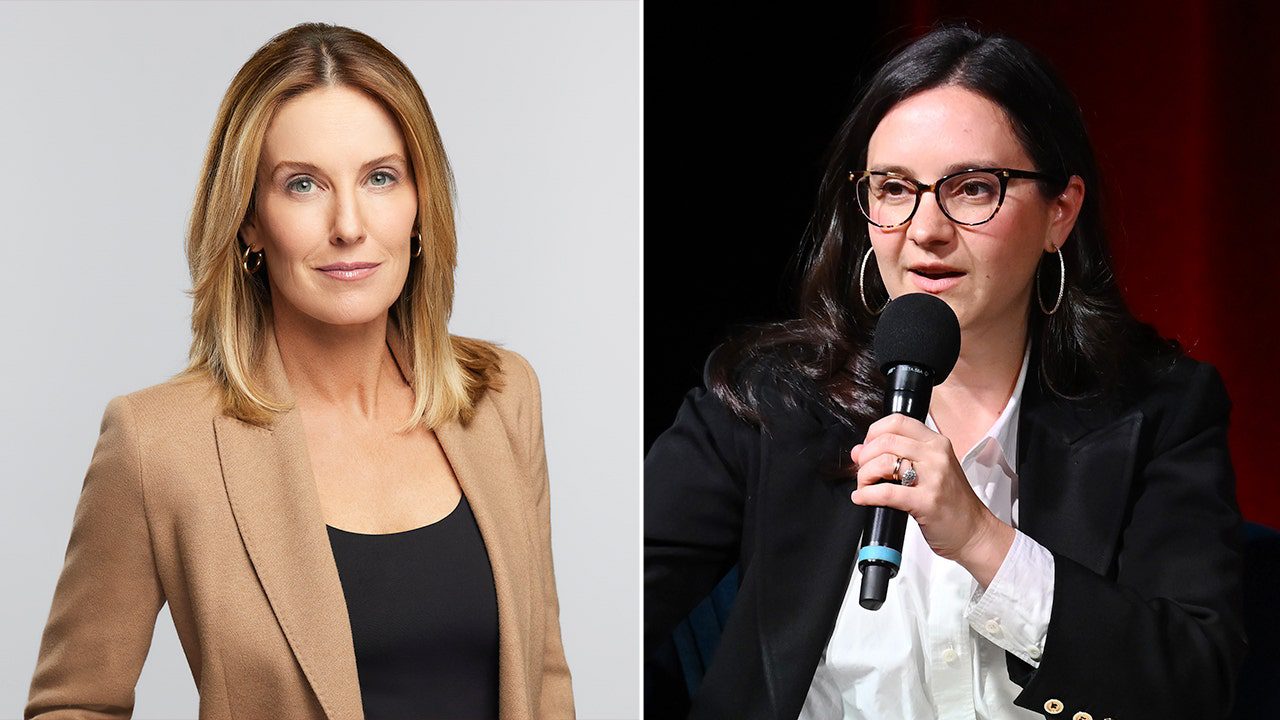
A recent decision by CBS News Editor-in-Chief Bari Weiss to pull a ’60 Minutes’ segment has ignited internal controversy, potentially raising corporate governance concerns for investors in Paramount Global. This development highlights the challenges of integrating new leadership and journalistic philosophies within major media conglomerates, impacting brand perception and operational stability.
The controversy centers on a pre-planned ‘Inside CECOT’ segment, which correspondent Sharyn Alfonsi alleges was held for ‘political reasons,’ despite clearing legal and standards checks. CBS, owned by Paramount Global, cited a need for ‘additional reporting.’
The incident underscores a crucial dilemma for media companies: balancing editorial integrity with corporate directives. Alfonsi’s leaked memo suggests a conflict between journalistic independence and administrative concerns.
Investors should assess the broader implications for media stock stability, brand integrity, and leadership efficacy within companies like Paramount Global.
Detailed Analysis
Media conglomerates like Paramount Global, operating CBS News, face intricate challenges balancing editorial independence with corporate strategy. For investors, understanding the interplay between journalistic integrity and corporate governance is crucial, especially following significant restructuring. The recent Paramount-Skydance merger, concluded this year, involved strategic realignment and the appointment of new leadership, including Bari Weiss as CBS News Editor-in-Chief in October. This leadership change aims to shape editorial direction but has become a focal point for internal contention. From an investor’s perspective, a news organization’s core value extends beyond immediate revenue, encompassing the intangible asset of journalistic credibility and public trust, vital for long-term advertising partnerships and market valuation.
The controversy stems from the last-minute decision to pull a ’60 Minutes’ investigative segment, “Inside CECOT,” which featured correspondent Sharyn Alfonsi interviewing former deportees about alleged brutal prison conditions. CBS cited a need for “additional reporting” and a missing on-the-record response from the “Trump administration.” However, Alfonsi’s leaked internal memo accused Weiss of a “political” rather than “editorial” decision, asserting the story had cleared all internal checks, including legal and standards review. This public disagreement signals potential corporate governance challenges and leadership alignment issues post-merger. Alfonsi’s concern that “the administration’s refusal to participate becomes a valid reason to spike a story” highlights a risk to journalistic independence, potentially eroding the network’s credibility and brand equity within the competitive media sector.
This situation at CBS News, part of Paramount Global, exemplifies challenges in media institutions amidst evolving political and corporate landscapes. Compared to peers, public internal disputes alleging censorship can damage perceived trustworthiness, impacting advertiser confidence and audience engagement – key revenue drivers. Historically, media companies upholding strong journalistic independence often command a premium in brand value. Conversely, editorial decisions perceived as politically motivated can reduce viewership and advertising spend. This qualitative risk translates into intangible asset impairment, influencing investor sentiment and long-term valuation multiples for companies like Paramount.
For investors in media stocks, the CBS News controversy emphasizes the significance of intangible assets like brand trust and corporate governance. While specific financial metrics are not available, potential reputational damage to ’60 Minutes’, a “gold standard” program, could have indirect financial ripple effects on Paramount Global. Investors should monitor the company’s ability to navigate internal dissent and maintain editorial independence. Key, albeit external, indicators include future CBS viewership trends, advertising market sentiment, and any corporate communications regarding media division leadership or editorial policy, as strong governance and brand integrity are crucial for sustaining long-term investor value.
About the Author