Key Takeaways
Analyze the consumer appliance market’s dynamics, focusing on efficiency, safety, and innovation challenges. Discover investment implications for manufacturers and sector trends for 2025.
Market Introduction
The consumer appliance market in North America for space heaters reveals a striking efficiency convergence, with most standard units achieving approximately 1,500 watts and near 100% electricity-to-heat conversion. This inherent technical uniformity creates a competitive landscape where genuine product differentiation, a crucial factor for investment appeal, is nuanced.
Retail investors, swing traders, and finance professionals must look beyond base specifications when assessing companies in such segments. The efficacy of these products, as per detailed testing, largely depends on heat distribution methods and speed, rather than raw power.
This foundational market dynamic, where core power and efficiency are largely standardized, necessitates a deeper financial analysis into innovation, safety protocols, and strategic positioning.
This analysis explores these nuanced factors, critical for identifying long-term value and assessing competitive advantage in stable consumer tech sectors.
In-Depth Analysis
The consumer electronics sector, particularly the mature segment of home heating solutions, often faces challenges in sustainable growth once core technologies reach peak efficiency. The current landscape for space heaters exemplifies this, with a regulatory and practical ceiling of 1,500 watts for household circuits in the US and Canada, coupled with near-perfect energy conversion. This signifies a market where the primary function is optimized, shifting the burden of competitive advantage from raw power to secondary attributes. Historically, such markets transition from innovation-driven growth to differentiation through design, user experience, and ancillary features, or through disruptive technologies. Investors monitoring this segment need to understand that incremental improvements, rather than revolutionary breakthroughs, often drive short-term market share. Long-term strategic shifts, however, might emerge from truly transformative technologies like advanced heat pumps, which fundamentally alter energy consumption models, albeit with higher initial capital expenditure for consumers and manufacturers alike.
Within this tightly constrained market, product features reflect diverse differentiation strategies and underlying R&D investments. Electric resistance heaters (ceramic, PTC) prioritize rapid heating for mass-market appeal. Oil-filled radiators, slower but offering sustained, quiet warmth, target a niche valuing durability and comfort. Radiant (infrared) heaters focus on direct personal warming, implying specific use-case segmentation. The nascent heat pump technology, moving heat instead of generating it, signals a long-term disruptive investment area due to superior energy efficiency, despite high initial costs and limited availability. Robust safety features like automatic shut-off and tip-over protection are non-negotiable regulatory and consumer trust factors. The rigorous testing detailed underscores quality assurance, durability, and low operational noise as vital for brand reputation, warranty costs, and ultimately, a manufacturer’s financial health and shareholder value in this competitive landscape.
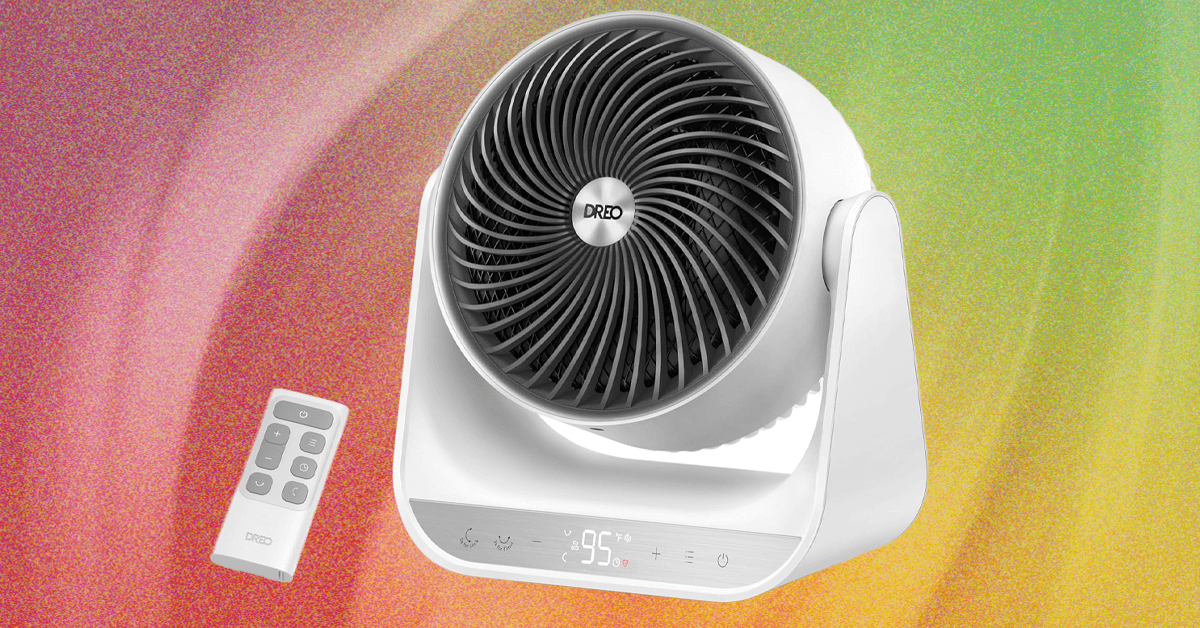
In a market of technical parity, brands differentiate through subtle attributes, impacting competitive positioning. Vornado (AVH10, MVH+) emphasizes optimized heat distribution and low noise, reflecting investment in user experience. This contrasts with brands like Pelonis or Honeywell, whose “painfully hot” surfaces or excessive noise risk brand erosion and warranty claims. Dreo’s 2-in-1 fan/heater signifies functional diversification, aiming for broader market appeal. Regulatory compliance and rigorous safety testing are critical cost factors and brand protection. Financially, superior reliability and safety mitigate liability risks, fostering customer loyalty and potentially enabling higher valuation multiples compared to peers with quality issues.
For retail investors and finance professionals, the space heater market illustrates the importance of qualitative factors in mature sectors. Long-term investors should evaluate companies based on consistent investment in product safety, R&D for disruptive technologies (e.g., heat pumps), and effective brand management, ensuring customer loyalty and pricing power. Swing traders might find short-term opportunities in market reactions to new product releases or safety recalls. Metrics to monitor include shifts in regulatory standards, advancements in energy efficiency, and consumer feedback trends, indicating brand strength. Smart-home integration or combined functionalities offer avenues for premium pricing and market expansion. Success requires anticipating subtle consumer shifts and technological capabilities while maintaining impeccable safety and quality, crucial for long-term shareholder value.
About the Author