Key Takeaways
PM Modi addresses Matua voters and the ‘Bankim da’ controversy in West Bengal. Explore electoral roll revisions and political implications for 2025.
Market Introduction
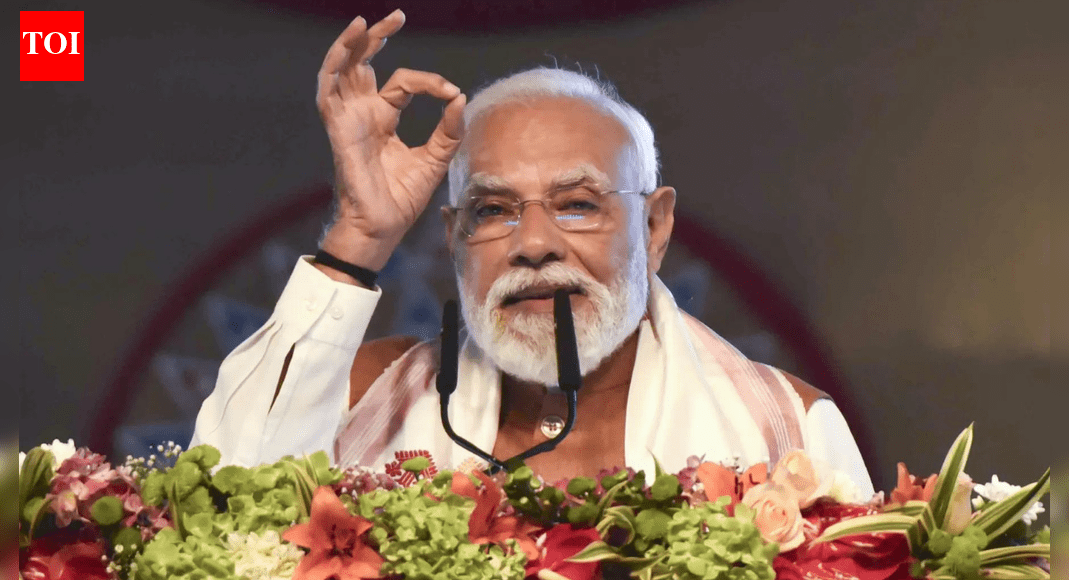
Prime Minister Narendra Modi recently engaged in significant political damage control in West Bengal, addressing both a cultural controversy and electoral anxieties among the Matua community. His virtual address aimed to mend political fallout from a parliamentary reference and calm voters unsettled by an electoral roll revision. This dual effort highlights the Bharatiya Janata Party’s strategic focus on cultural narratives and crucial voter demographics ahead of upcoming political cycles.
This development carries immediate implications for West Bengal politics, particularly regarding the state’s intricate cultural sensitivities and the electoral dynamics of key border districts. Political analysts note the delicate balance leaders must maintain between national outreach and regional identity.
Key data from the electoral roll revision shows over 2.7 lakh voters in Nadia and more than 7 lakh voters in North 24 Parganas flagged as “unmapped,” with a substantial share belonging to the Matua community. These numbers represent over 6% and 8.8% of the respective electorates, underscoring the community’s significance.
The following analysis delves into the short-term political maneuvering, the medium-term impact on voter sentiment, and the long-term policy implications of these interventions for India Politics and governance in the region.
Data at a Glance
| District | Unmapped Voters | % of Electorate |
|---|---|---|
| Nadia | 270,000+ | ~6% |
| North 24 Parganas | 700,000+ | ~8.8% |
In-Depth Analysis
The recent virtual rally by Prime Minister Modi in West Bengal underscores a critical juncture in India Politics, blending cultural sensitivity with pressing electoral concerns. Historically, West Bengal has proven a complex political landscape where regional identities and cultural icons hold immense sway. The ‘Bankim da’ reference, perceived by some as culturally alien, quickly became a flashpoint, reflecting the deep-seated cultural pride within the state. Addressing this with the more respectful ‘Rishi Bankim babu’ and praising Chattopadhyay’s contributions, like ‘Vande Mataram’ and ‘Anandamath,’ attempts to align nationalistic fervor with regional reverence. This strategy aligns with a broader political playbook often employed to navigate culturally diverse states, seeking to connect with local sentiments while reinforcing national unity.
Beyond the cultural outreach, Modi’s address also targeted unease within the Matua community, an electorally crucial group in Nadia and North 24 Parganas. The Election Commission’s special intensive revision of electoral rolls (SIR) has raised concerns among Matua elders, as a significant number of their community members appear as “unmapped” voters, unable to establish linkage with the 2002 voters’ list. Modi linked the SIR process to preventing infiltration, an emotive subject in border districts. He stated, “The infiltrators, who are trying to control Bengal, are close to Trinamool’s heart. That is why they are trying to save infiltrators and opposing SIR.“ This frames the electoral roll revision not as a disenfranchisement risk for legal citizens but as a necessary measure against illicit entry, potentially resonating with segments of the electorate concerned about border security. However, BJP functionaries privately acknowledged surprise that the Prime Minister did not directly address Matua fears related to the SIR process, signaling a potential disconnect in direct assurance.
Comparing this strategic communication with previous political engagements in West Bengal reveals a consistent pattern of national parties attempting to integrate local cultural narratives into their broader electoral campaigns. Past elections have often seen political discourse heavily influenced by figures like Rabindranath Tagore, Swami Vivekananda, and Netaji Subhas Chandra Bose, with parties vying to claim their legacy. The ‘Bankim da’ row highlights how perceived missteps on such cultural fronts can quickly escalate into significant political liabilities. The unmapped voter issue, meanwhile, draws parallels to previous debates surrounding voter identification and citizenship in border regions, often leading to heightened political polarization. (Suggested Line Graph: Historical Matua community voting patterns in key West Bengal districts over the last three general elections, showing shifts in support across parties.)
For News Readers and Informed Citizens, these developments highlight the nuanced interplay of culture, policy, and identity in Indian elections. Policy Watchers and Political Analysts should monitor the Election Commission’s ongoing SIR process closely, especially its implementation in districts with significant Matua populations, for its potential policy implications. The Matua community’s response to the Prime Minister’s indirect reassurances and the Trinamool Congress’s continued opposition to the SIR will serve as key indicators. Upcoming local body elections or by-elections will offer an early litmus test for how these damage-control efforts translate into voter sentiment. The broader impact on West Bengal politics will depend on how effectively the government addresses the underlying anxieties while navigating the charged political atmosphere surrounding identity and policy.
About the Author