Key Takeaways
Brazil’s President Lula warns against US intervention in Venezuela, calling it catastrophic. Understand the geopolitical risks and humanitarian implications for the region.
Market Introduction
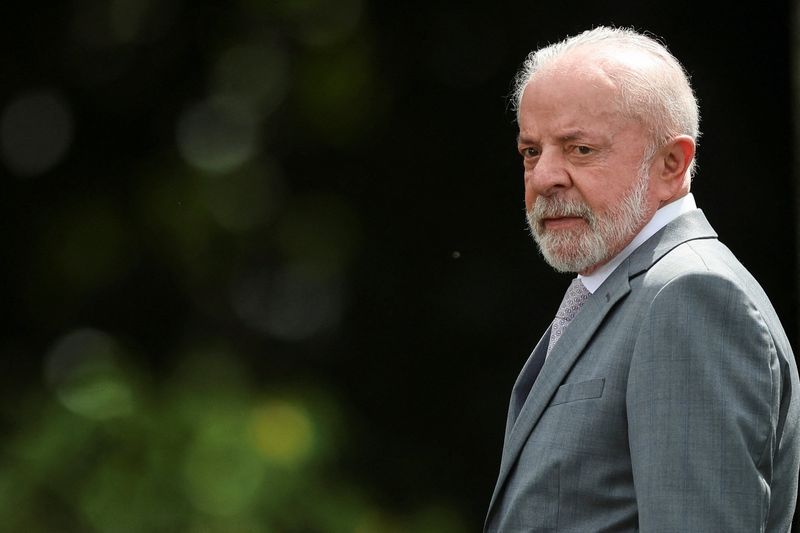
Brazil’s President Luiz Inácio Lula da Silva has issued a potent warning, stating that any potential United States intervention in Venezuela could lead to catastrophic consequences. This significant statement from a prominent Latin American leader highlights the deep regional concerns surrounding the long-standing political and economic crisis in Venezuela.
For general readers and news consumers, this declaration underscores the volatile nature of current affairs in South America and its potential ripple effects on international diplomacy and humanitarian stability. It brings to the forefront the delicate balance of power and sovereignty in global relations.
While specific metrics or immediate data points regarding this warning were not disclosed, the gravity of a potential geopolitical escalation looms large. Such interventions historically carry immense human and economic costs, making Lula’s caution particularly relevant.
The following analysis will delve into the historical context, the multifaceted implications of such an intervention, and what this means for global and regional stakeholders, providing essential context for today’s updates on international relations.
In-Depth Analysis
President Lula’s stark warning against potential US intervention in Venezuela is more than just a diplomatic statement; it’s a critical articulation of regional anxieties rooted in a complex history of foreign relations and internal strife. Venezuela has been gripped by a profound political and economic crisis for years, characterized by hyperinflation, severe shortages, and significant internal displacement. This ongoing instability has generated immense international concern, with various global actors, including the United States, expressing deep apprehension over the humanitarian situation and democratic processes within the nation.
The backdrop to Lula’s caution involves a long history of US involvement in Latin American affairs, often perceived by many in the region as interventionist. This historical context shapes the reactions of leaders like Lula, who advocate for national sovereignty and non-interference as cornerstones of international law. Brazil, under Lula’s leadership, often champions a foreign policy that prioritizes multilateralism and regional solutions, positioning itself as a mediator rather than a proponent of external military actions. Lula’s current stance resonates with a broader Latin American sentiment that resists unilateral actions by larger global powers and seeks to resolve regional challenges through diplomacy and cooperation.
The Venezuelan crisis itself is multi-layered, involving internal political polarization between the ruling government and various opposition factions, complex economic sanctions imposed by the US and other nations, and a massive exodus of Venezuelan citizens seeking refuge in neighboring countries. These factors combine to create an already fragile environment, where any misstep or aggressive action could dramatically exacerbate the suffering and instability. Lula’s deep experience in navigating regional politics and his historical commitment to social justice provide a unique lens through which his warning should be interpreted, highlighting not just political implications but also the profound human cost.
The term ‘catastrophic’ used by President Lula in relation to a potential US intervention carries significant weight and suggests a multitude of dire consequences beyond immediate military engagement. Such an intervention could precipitate an unprecedented humanitarian crisis, leading to a massive surge in refugees and internally displaced persons. Neighboring countries, including Brazil, which already host significant numbers of Venezuelan migrants, would face immense pressure on their resources and social infrastructure. This escalation would undoubtedly strain international aid organizations and divert critical resources from other pressing global needs, further entrenching a cycle of poverty and displacement across the region.
Economically, any military action would likely cause severe disruptions to global energy markets. While Venezuela’s oil production has plummeted, it still possesses some of the world’s largest proven oil reserves. An intervention could trigger volatility in crude oil prices, impacting global economies, including major oil-importing nations like India. Furthermore, new or intensified economic sanctions could have ripple effects across Latin America, affecting regional trade partnerships and investment flows. The long-term economic recovery of Venezuela, already a formidable challenge, would become almost insurmountable, prolonging the suffering of its populace and hindering regional economic integration efforts.
Diplomatically, a US intervention would almost certainly elicit widespread international condemnation, fracturing existing alliances and complicating efforts towards collective security and peace. It would be seen by many as a breach of national sovereignty and a dangerous precedent, potentially emboldening other nations to pursue similar actions in their spheres of influence. This could severely undermine the principles of multilateralism and the authority of international bodies tasked with maintaining global peace and security. Lula’s warning, therefore, serves as a preemptive diplomatic move to deter such actions and reinforce the importance of negotiated settlements and respect for sovereign borders in today’s complex geopolitical landscape.
Comparing the current Venezuelan situation and Lula’s warning to historical patterns reveals a recurring tension between interventionist and non-interventionist foreign policy doctrines. Past interventions, particularly in Latin America, have frequently led to unintended consequences, prolonged periods of instability, and resentment that can last for generations. The lessons from events in Central America or the Caribbean, for instance, often demonstrate that military solutions rarely address the root causes of political and economic crises and can instead create new, more intractable problems. This historical context informs the cautionary stance taken by Brazil and other regional powers, who have often borne the brunt of such escalations.
Different approaches to resolving international disputes offer a spectrum from robust diplomacy and mediation to targeted sanctions and humanitarian aid. International bodies like the United Nations and regional blocs have actively sought diplomatic avenues to address the Venezuelan crisis, often through dialogue and negotiation between the conflicting parties. Lula’s emphasis on preventing a catastrophe aligns with these diplomatic efforts, suggesting that sustained engagement, rather than military force, is the most viable path forward. The involvement of other key regional stakeholders, such as Colombia, which shares a long border with Venezuela and is grappling with the influx of millions of migrants, further underscores the need for a cohesive, non-military regional strategy. Their perspectives often highlight the localized impacts and the necessity of solutions that consider the welfare of all neighboring populations.
The global geopolitical chessboard also plays a significant role, as major powers like Russia and China have distinct interests and relationships with Venezuela. An external military intervention could potentially escalate into a broader international confrontation, drawing in these global players and further complicating an already delicate balance of power. The principle of national sovereignty, a cornerstone of international law and a consistent theme in Brazil’s foreign policy, becomes a critical point of contention in such scenarios. Lula’s warning, therefore, is not merely about Venezuela but about the broader international order and the methods by which complex crises should be resolved in the 21st century.
For general readers and news consumers in India, President Lula’s warning about Venezuela holds significant relevance, highlighting the interconnectedness of global affairs. A potential escalation in South America, particularly one involving major global powers, could trigger widespread geopolitical instability. This instability might impact global commodity markets, especially oil prices, which directly affects India’s economy as a net oil importer. Understanding these complex international dynamics helps Indian citizens grasp the broader implications of seemingly distant events on their daily lives and national interests. It also underscores India’s own diplomatic posture, which often advocates for peaceful resolution and respect for national sovereignty in international disputes.
The human cost of any conflict is always paramount. Lula’s warning serves as a crucial reminder of the potential for mass displacement, further humanitarian suffering, and the long-term devastation that military interventions can inflict on civilian populations. It reinforces the urgent need for international cooperation focused on preventing such outcomes and prioritizing the well-being of affected communities. General readers should monitor ongoing diplomatic statements from the United States, Venezuela, and regional blocs, as well as any shifts in international policy towards the crisis. The internal political developments within Venezuela, including dialogue between the government and opposition, will also be critical indicators to watch.
Ultimately, Lula’s intervention serves as a powerful call for restraint and diplomacy in a highly volatile region. It highlights the enduring tension between the right of nations to self-determination and the international community’s responsibility to address humanitarian crises. The path forward for Venezuela will necessitate sustained international engagement, a commitment to dialogue, and a profound respect for national sovereignty, with regional leaders like Lula playing a crucial role in shaping these critical global conversations and advocating for peace and stability over catastrophic outcomes.
About the Author