Key Takeaways
US strike in Syria signals escalating geopolitical risk. Analyze potential impacts on global markets, defense stocks, oil prices, and investor sentiment for 2025.
Market Introduction
The United States has executed a significant military strike against the Islamic State group (IS) in Syria, a direct response to a deadly ambush on American forces. This geopolitical instability impact warrants close attention from investors assessing global risk premiums.
For Retail Investors, Swing Traders, Long-term Investors, and Finance Professionals, such events necessitate a re-evaluation of portfolio exposure to geopolitical risk, potential shifts in commodity prices, and defense sector performance.
Operation Hawkeye Strike targeted IS “fighters, infrastructure, and weapons sites” after an ambush on December 13 killed two US soldiers and a civilian interpreter in Palmyra, as reported by US officials.
This analysis delves into the short-term market reactions, medium-term ripple effects, and long-term strategic shifts that this development could trigger across the global financial landscape.
In-Depth Analysis
Geopolitical events, particularly those involving military action in conflict-prone regions, frequently introduce an element of uncertainty into global financial markets. While direct economic data related to the recent US strike against IS in Syria is not available in the immediate aftermath, the market’s response often hinges on perceptions of escalation, supply chain stability, and overall risk appetite. Historically, periods of heightened international tension can lead to a flight to safety, with investors reallocating capital from riskier assets like equities to perceived safe havens such as gold, specific government bonds, or defensive sector stocks. This underscores the critical importance of incorporating geopolitical risk assessment into comprehensive investment strategies for all types of investors, from individual retail participants on the NSE and BSE to large institutional funds navigating global trading platforms.
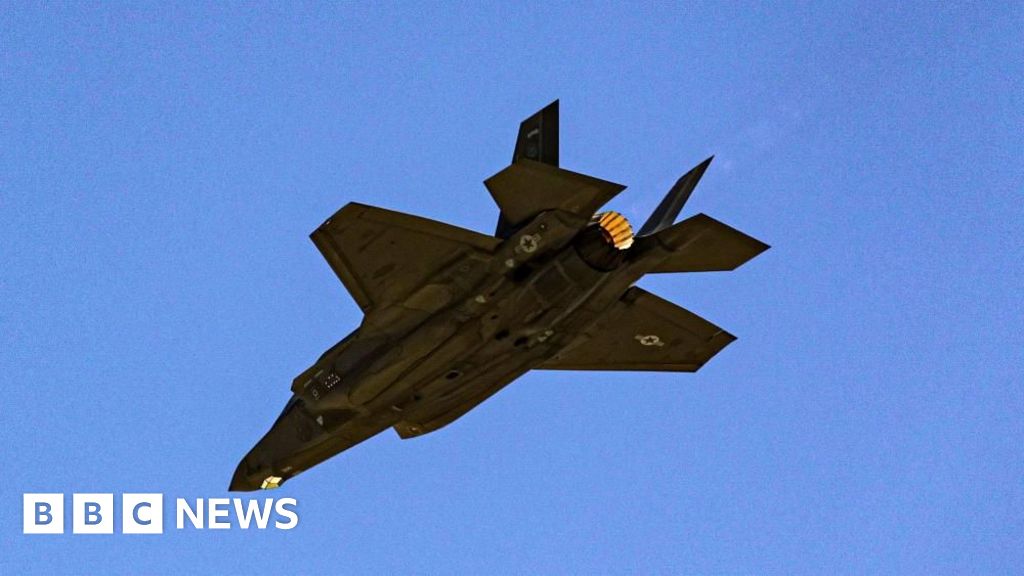
The specific details of the US operation, dubbed ‘Operation Hawkeye Strike,’ involved fighter jets, attack helicopters, and artillery striking multiple targets in central Syria, with support from Jordanian aircraft. Defence Secretary Pete Hegseth characterized the action as a “declaration of vengeance,” signaling a firm response to the Palmyra ambush. President Donald Trump affirmed that the US was “inflicting very serious retaliation,” with the Syrian government reportedly “fully in support.” The UK-based Syrian Observatory for Human Rights (SOHR) noted that IS positions near Raqqa and Deir ez Zor were targeted, with a prominent IS leader among those killed. Such precision strikes, while aimed at specific targets, raise concerns about regional stability and the potential for retaliatory actions, which can manifest as increased volatility in sectors sensitive to geopolitical shifts, including crude oil markets and defense industries.
From a comparative analysis perspective, the current situation echoes past instances where military engagements in the Middle East have influenced global economic sentiment. While the direct financial implications are not quantified in the source, the typical market playbook involves a surge in energy prices due to supply disruption fears, a boost for defense sector stocks like those of aerospace and armaments manufacturers, and a general increase in market volatility. Investors often look to the performance of indices like the Sensex and Nifty as bellwethers for global sentiment, assessing how Indian markets react to broader international developments. Compared to previous large-scale operations, the explicit mention of the Syrian government’s support, if sustained, might temper immediate fears of broader state-on-state conflict, yet the continued presence of 5,000 to 7,000 IS fighters, as cited by the United Nations, suggests a persistent, underlying risk factor that demands ongoing vigilance.
For Retail Investors, this event underscores the need for a diversified portfolio that can withstand sudden geopolitical shocks. Rather than reacting impulsively to headlines, a disciplined approach focusing on fundamental analysis and long-term investment goals remains paramount. Swing Traders might identify short-term opportunities in commodity futures, particularly oil, or in defense sector ETFs, but must employ stringent risk management strategies given the inherent unpredictability of geopolitical events. Long-term Investors and Finance Professionals should revisit their macroeconomic models, stress-testing portfolios against various geopolitical scenarios, and assessing the indirect impact on global trade routes, supply chains, and sovereign risk. Key metrics to monitor moving forward include crude oil benchmarks, the performance of global defense contractors, and the VIX index as an indicator of market volatility. The enduring nature of the IS threat, despite military setbacks, implies that geopolitical risk will remain a significant factor in investment decisions for the foreseeable future.
About the Author