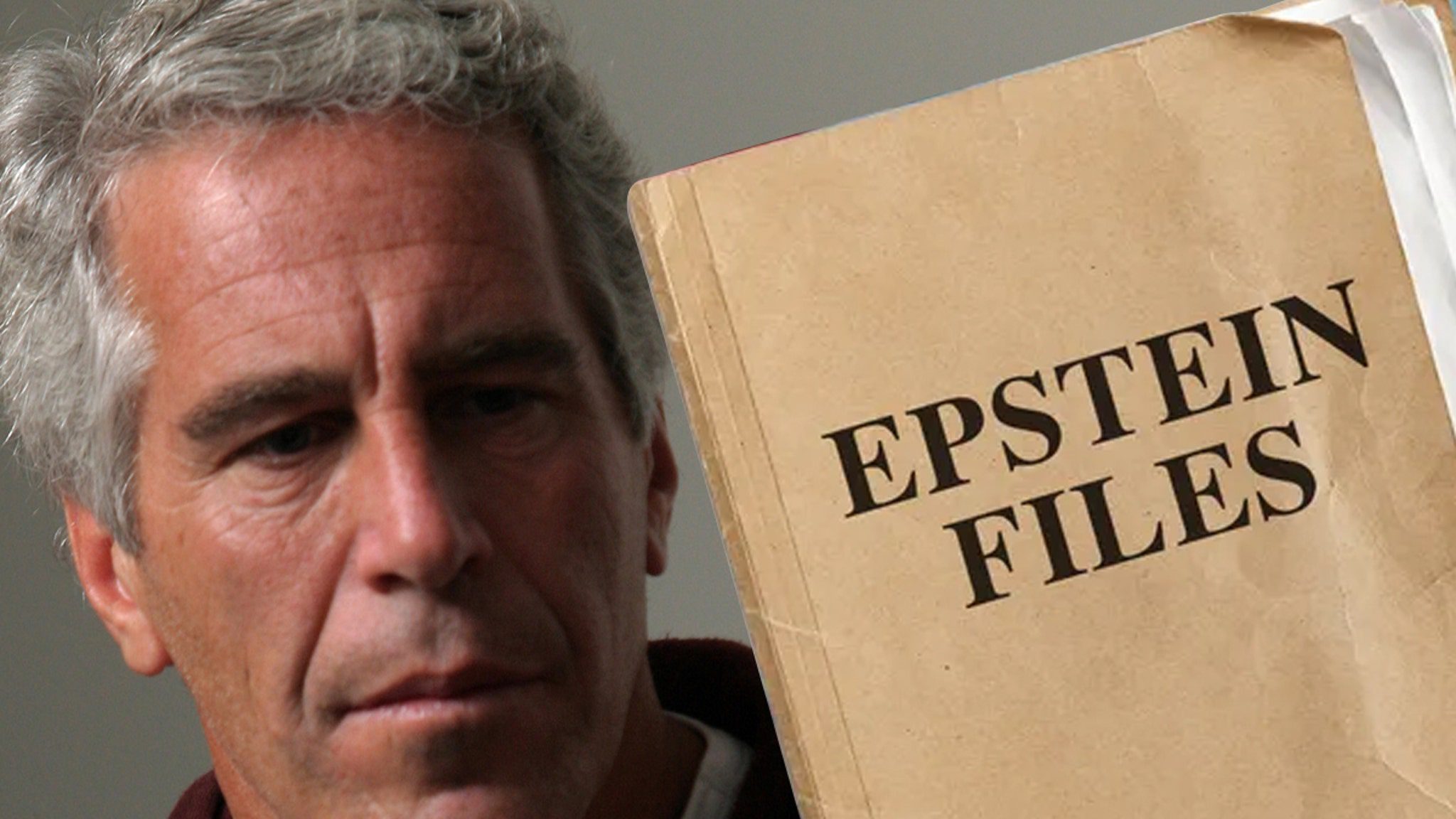
Key Takeaways
US DOJ releases Jeffrey Epstein files following congressional mandate. Analyze the impact on government transparency, federal policy, and political accountability. Get insights.
Market Introduction
The U.S. Department of Justice (DOJ) began releasing the Jeffrey Epstein Files on Friday, December 19, 2025. This follows a direct congressional vote compelling the agency to publicize all related evidence. (32 words)
For News Readers and Policy Watchers, this disclosure signifies a crucial step in governmental transparency concerning the disgraced financier’s extensive investigation. (29 words)
The initial trove includes hundreds of thousands of documents like FBI reports and witness interviews, adhering to a 30-day congressional directive. Deputy AG Todd Blanche confirmed further releases are slated for subsequent months. (43 words)
Informed Citizens and Political Analysts will closely observe these ongoing disclosures for profound insights into US justice and accountability. (25 words)
In-Depth Analysis
The release of the Jeffrey Epstein files by the U.S. Department of Justice (DOJ) on December 19, 2025, represents a pivotal moment in a long-standing and deeply contentious saga that has consistently challenged the boundaries of governmental transparency and public trust. This action is not a unilateral move by the DOJ but rather a direct consequence of a bipartisan congressional mandate passed just last month, compelling the agency to fully disclose all evidence pertinent to the investigation of the disgraced financier and convicted pedophile. This legislative intervention underscores a significant public and political outcry that has persisted for years, fueled by the shocking nature of Epstein’s crimes and the lingering questions surrounding the extent of his network and the handling of his prior legal cases. Historically, cases involving individuals of immense wealth and influence, particularly those implicated in sex trafficking, often encounter scrutiny regarding the thoroughness, impartiality, and speed of official investigations. The Epstein case, with its high-profile victims and alleged co-conspirators, became a flashpoint for discussions on elite immunity and the justice system’s capacity to hold the powerful accountable.
A key precursor to this congressional directive was the series of events earlier in the year that only served to intensify public skepticism. U.S. Attorney General Pam Bondi had previously promised the release of a “client list,” hinting at extensive disclosures. However, an orchestrated gathering of conservative activists at the White House, where they were given binders of information, was later dismissed as containing only “publicly known” facts. This episode was swiftly followed by Bondi and FBI Director Kash Patel formally closing the case, asserting there was “nothing left to investigate” and explicitly stating that no further materials, including a “client list,” would be released. This move provoked immediate and furious reactions from across the political spectrum, with Deputy FBI Director Dan Bongino reportedly threatening to quit over the matter, eventually announcing his departure from the agency. This history of perceived obfuscation and the subsequent legislative push highlight a fundamental tension between institutional prerogative and the public’s right to know, making the current DOJ release a crucial test of transparency.
The DOJ’s initial disclosure on the congressional deadline, although explicitly stated as a partial release, offers critical insights into the logistical and political complexities inherent in such an extensive federal investigation. Deputy AG Todd Blanche’s acknowledgement that the “full trove” could not be released instantly, coupled with promises of more disclosures in “coming months,” points to the immense volume of material—reportedly “several hundred thousand documents”—that requires meticulous processing. This includes careful redaction of victims’ names, a legally and ethically imperative step to protect privacy while maintaining the integrity of the evidence. The comprehensive nature of the expected files, encompassing FBI reports, transcripts of witness interviews, and various forms of video and photographic evidence, speaks to the depth and breadth of the years-long investigation into Epstein’s criminal activities.
The legal backdrop to these disclosures is multifaceted. Jeffrey Epstein was initially convicted in 2008 on state charges in Florida for soliciting the prostitution of a minor, serving a year in prison as part of a plea deal. However, renewed federal scrutiny led to his 2019 arrest on federal charges of sex trafficking of minors and conspiracy to commit sex trafficking of minors in New York City. His subsequent death by suicide in his cell while awaiting trial significantly complicated the pursuit of justice and fueled further speculation and conspiracy theories. The ongoing involvement of legislative bodies, such as the House Oversight Committee, which has been independently releasing exhibits received directly from the Epstein estate, underscores a shared governmental objective to uncover the complete narrative surrounding Epstein’s operations and his associates. This dual approach—executive branch disclosure under legislative compulsion and independent congressional releases—reflects the intense public pressure and the fragmented, yet persistent, institutional drive to bring full transparency to this deeply unsettling case. The piecemeal nature of the release, while challenging for immediate comprehensive understanding, is a procedural reality for handling such sensitive and voluminous data.
Compared to similar high-profile cases, the Epstein files release showcases a significant shift towards compelled governmental transparency. The prior closure by Attorney General Pam Bondi and FBI Director Kash Patel, declaring “nothing left to investigate,” starkly contrasts with the recent congressional directive. This reversal highlights the potent political will now forcing federal agencies to adhere to legislative mandates for openness, despite earlier administrative stances. Bipartisan anger over the initial closure, even prompting internal dissent, underscored the broad demand for accountability. The association of prominent figures like Donald Trump, Bill Clinton, and Bill Gates further escalates public interest, making this disclosure unique in its political gravity. Trump’s previous downplaying of the importance of releasing the files, despite having made campaign promises to open up the investigation, and his later statement that he “didn’t want support from anyone who was demanding more about the case,” exemplify the varying political interests at play. Such statements underscore the potential political fallout for any figure associated with the Epstein scandal, irrespective of their direct involvement in criminal activity. The comparison of these differing stances—from initial promises, to case closure, to compelled release—provides a rich matrix for understanding the evolving political landscape and the powerful influence of public opinion on federal policy and government operations.
[Suggested Matrix Table: Key Public Figures’ Evolving Stance on Epstein Files Release (Initial Statement vs. Post-Congressional Action), highlighting their positions on transparency and accountability.]
For News Readers, Policy Watchers, Informed Citizens, and Political Analysts, the ongoing release of the Jeffrey Epstein files presents a multi-faceted and enduring point of focus. The immediate takeaway is a powerful reaffirmation of legislative oversight and the efficacy of public and congressional pressure in compelling transparency from federal agencies. This sets a significant precedent, demonstrating that even in politically sensitive investigations involving powerful individuals, persistent demands for accountability can ultimately drive governmental action. Stakeholders, particularly victim advocacy groups, will scrutinize every detail for further avenues to justice and accountability, while any individuals or entities previously associated with Epstein face renewed public and potentially legal scrutiny.
The policy implications of these disclosures are profound and far-reaching. They touch upon critical areas such as prosecutorial discretion in high-profile cases, the robustness of witness protection protocols, and the accountability mechanisms for high-ranking government officials and agencies. The manner in which these files are released—in phases, with redactions—will undoubtedly inform future policy debates on balancing public transparency with the protection of privacy and the integrity of ongoing investigations. Informed citizens should vigilantly monitor the upcoming tranches of documents, observing the content for any previously undisclosed names, specific details, or evidence that could materially alter the public understanding of Epstein’s network or trigger new legal proceedings against his alleged co-conspirators. This evolving situation offers a unique opportunity to analyze the intricate interplay between public demand, legislative power, and executive action within the US justice system, underscoring the relentless pursuit of justice and the continuous evolution of governmental transparency in the digital age.
About the Author