Key Takeaways
US Senators push for Section 230 reform to rein in Big Tech legal immunity from online harms. Understand policy implications for digital accountability.
Market Introduction
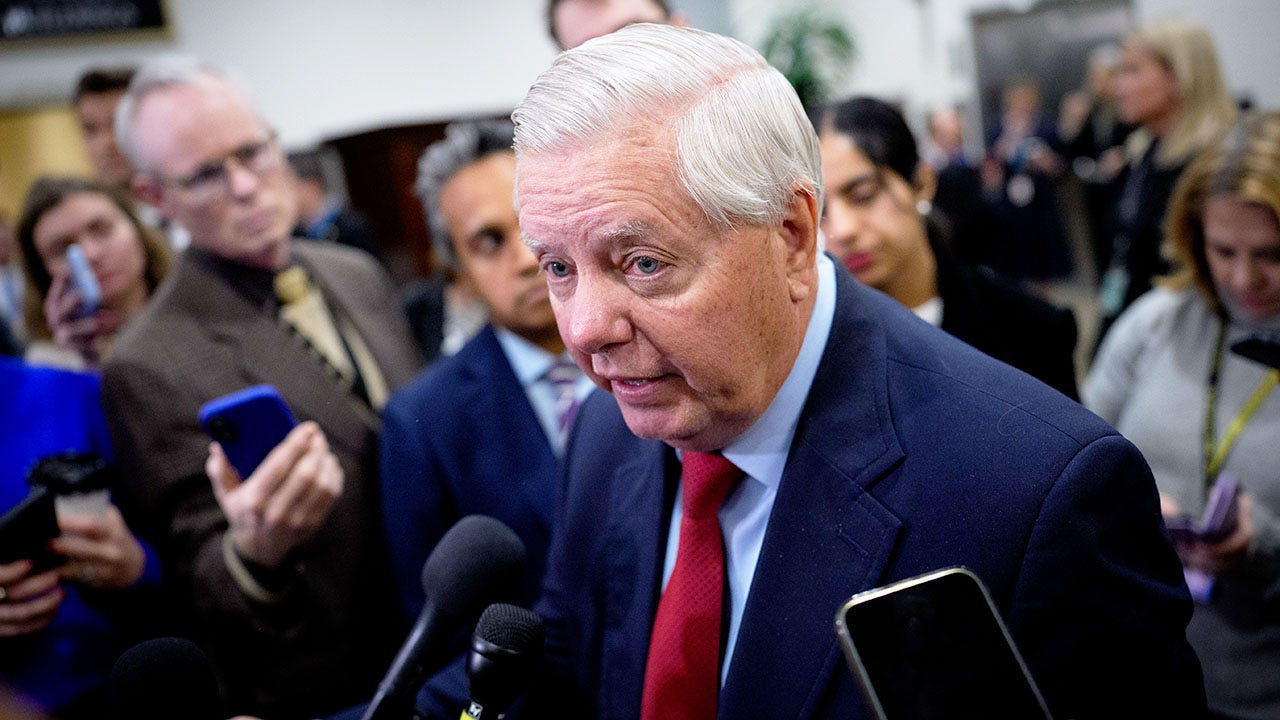
A significant bipartisan initiative is underway in the United States Senate, led by Sen. Lindsey Graham, aiming to substantially reform Section 230 of the Telecommunications Act of 1996. This legislative push seeks to curtail the expansive legal immunity currently enjoyed by Big Tech companies, which lawmakers argue shields them from accountability for a range of serious online harms.
This effort is critical for News Readers, Policy Watchers, Informed Citizens, and Political Analysts as it addresses the evolving landscape of digital responsibility and corporate liability. The outcome could redefine the regulatory framework governing major internet platforms, impacting both user safety and the tech industry’s operational freedom.
The current law, enacted nearly three decades ago, was intended to foster the nascent internet. However, lawmakers are now targeting February for a crucial vote on legislation that could lead to a full repeal of Section 230, taking effect two years after enactment, thereby stripping federal immunity.
The following analysis delves into the historical context, stakeholder perspectives, and the far-reaching policy implications of this proposed legislative overhaul.
In-Depth Analysis
The contemporary political discourse surrounding digital platforms frequently highlights a growing tension between fostering innovation and ensuring accountability. This bipartisan drive to reform Section 230 of the Telecommunications Act of 1996 marks a pivotal moment in the governance of online spaces. Historically, Section 230 provided internet companies with broad immunity from liability for content posted by their users, a provision widely credited with allowing the early internet to flourish without fear of constant litigation. However, critics, including the current bipartisan group of senators, contend that this immunity has become an outdated shield, enabling Big Tech companies to evade responsibility for increasingly complex and severe online harms. The original intent to encourage free expression and platform growth has, in their view, inadvertently fostered an environment where dangerous content can proliferate with limited legal recourse for victims.
The detailed analysis of this legislative effort reveals a concerted move to address specific grievances. Senator Graham and his colleagues, including Sens. Chuck Grassley, Josh Hawley, Marsha Blackburn, Dick Durbin, Sheldon Whitehouse, Amy Klobuchar, and Richard Blumenthal, have highlighted a litany of online crimes. These range from the sexual grooming and extortion of children, the proliferation of AI deepfake pornography, and the online sale of fentanyl-laced pills targeting teenagers, to the exploitation of young people’s anxieties and body image issues. Furthermore, the lawmakers pointed to terrorist organizations and foreign governments using these platforms for recruitment and exploitation, emphasizing that Section 230 currently prevents victims and their families from seeking justice in court. Senator Graham’s introduced legislation proposes a full repeal of Section 230, slated to take effect two years after enactment, a measure designed to fundamentally alter the legal landscape for tech companies and open avenues for accountability.
A comparative analysis underscores the significant shift this reform represents from the status quo. Currently, tech platforms operate with substantial legal protection, insulating them from liability for third-party content. The proposed changes aim to introduce a framework where platforms bear more responsibility, aligning their legal obligations closer to traditional publishers in certain contexts. Stakeholders impacted include the tech giants, who would face increased legal and operational risks, potentially leading to significant shifts in content moderation policies and business models. Conversely, victims’ advocacy groups and affected individuals stand to gain the legal avenues they currently lack, offering potential redress for online harms. The debate also touches upon the broader implications for free speech online, with some arguing that stricter liability could lead to over-moderation or censorship. A key policy implication is the challenge of balancing corporate accountability with maintaining the open nature of the internet, a dilemma that legislative bodies globally, including the Indian Parliament, grapple with in an increasingly digital world.
For News Readers, Policy Watchers, Informed Citizens, and Political Analysts, this bipartisan push signals a growing consensus across the political spectrum that the current regulatory framework for Big Tech is unsustainable. Monitoring the February vote in the US Senate will be crucial, as its outcome could set a precedent for digital governance and policy beyond America’s borders. Observers should watch for amendments to the proposed legislation, the extent of industry lobbying efforts, and the specific mechanisms proposed for determining liability. This development represents an evolving dialogue on corporate social responsibility in the digital age, demanding careful consideration of both the opportunities and the risks inherent in a more regulated online environment for all citizens.
About the Author