Key Takeaways
Norway’s Crown Princess Mette-Marit likely needs a lung transplant due to worsening health. Understand her condition, the medical process, and implications for royal duties.
Market Introduction
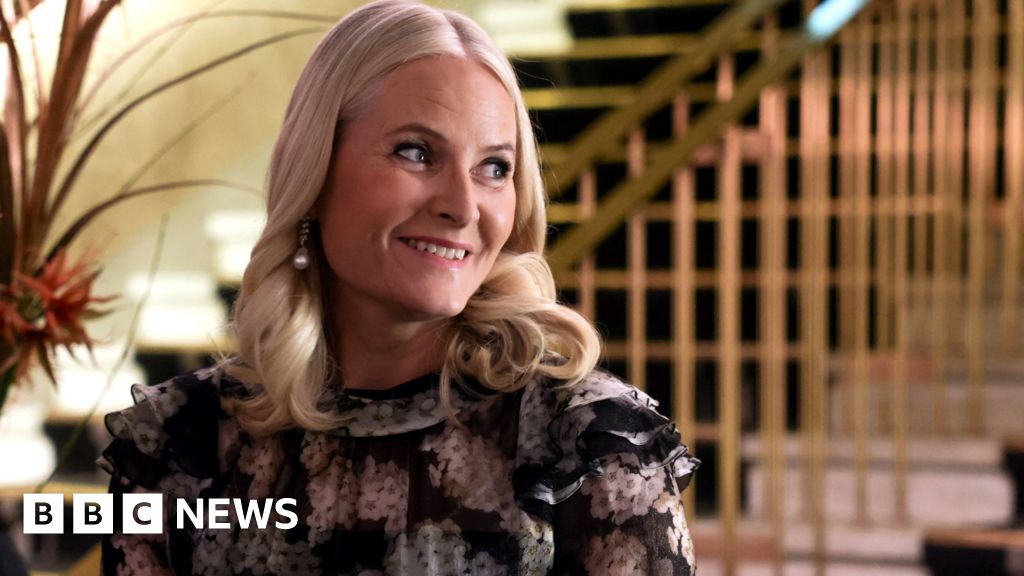
Norway’s Crown Princess Mette-Marit, 52, will likely require a lung transplant as her health significantly worsened in recent months, the royal household announced. This marks a critical development in her long-standing battle with pulmonary fibrosis, a degenerative lung disease she was diagnosed with in 2018.
The news has drawn global attention, highlighting the severe challenges faced by individuals with this condition and the difficult decisions even royalty must confront regarding complex medical procedures. It stands as an important current affairs update for news consumers worldwide in India and beyond.
Tests conducted in autumn revealed a “clear worsening” of her health, bringing her to a point where a transplant is deemed necessary by medical experts. Princess Mette-Marit confirmed her illness progressed “faster than I’d hoped.”
This latest health update provides crucial context on the royal’s condition and sets the stage for a detailed examination of the implications for her public duties and the broader public’s understanding of such critical medical interventions today.
In-Depth Analysis
The health of royal figures often captures the public imagination, offering a glimpse into the personal challenges faced by those in prominent positions. Norway’s Crown Princess Mette-Marit’s recent health update, indicating a likely need for a lung transplant, underscores the universal struggle against debilitating illnesses. Diagnosed with pulmonary fibrosis in 2018, the princess has openly battled this progressive disease, which leads to the formation of scar tissue in the lungs, making breathing difficult and impeding oxygen absorption into the bloodstream. This transparency from the Norwegian royal household provides a poignant and relatable human element to royal news, echoing the sentiment of current affairs impacting families globally.
Recent tests, specifically conducted last autumn, revealed a “clear worsening” of Princess Mette-Marit’s condition. Dr. Are Martin Holm, head of respiratory medicine at Oslo University Hospital, confirmed the gravity of the situation, stating, “We are reaching the point where a lung transplant will be necessary.” The princess herself conveyed her disappointment, noting her illness had developed “faster than I’d hoped.” While doctors have initiated the evaluation process for transplant surgery, no final decision has been made on placing her on the waiting list. Crucially, local media reports indicate that Princess Mette-Marit will not receive preferential treatment, joining the standard queue alongside 20 to 40 other patients typically awaiting lung transplants in Norway. This commitment to equitable healthcare access, even for royalty, is a significant aspect of today’s news.
Undergoing a lung transplant is a daunting prospect, fraught with inherent risks, including finding a suitable match and the potential for the body to reject the new organ. Dr. Holm emphasized that such a procedure is considered a “last resort,” reserved for individuals who are significantly ill and have a limited life expectancy. This medical reality highlights the critical decisions faced by patients and their families worldwide when confronting end-stage organ failure. Despite her increasing need for rest and a targeted exercise regimen, the palace affirmed Princess Mette-Marit’s “strong interest in continuing to carry out her duties,” which will be adapted to her health issues. Crown Prince Haakon provided a candid view, noting his wife’s increased struggle with breathing, diminished energy, and more frequent bouts of illness, lamenting their shared love for activities like hiking and skiing are no longer possible.
For general readers and news consumers, Princess Mette-Marit’s health journey offers a profound insight into chronic diseases and the complex medical interventions they necessitate. It highlights the human aspect of royal life, bridging the gap between public figures and the personal battles many individuals face. The transparency from the Norwegian monarchy fosters empathy and public understanding of critical health issues, reinforcing the value of balanced reporting in current affairs today. Moving forward, the public will keenly monitor updates regarding her transplant evaluation process and how her royal engagements continue to adapt. It’s also worth noting, as a separate development in the broader royal family narrative, that the princess’s eldest son, Marius Borg Høiby, is facing charges for 32 offenses, including rape, though he denies the most serious accusations and holds no royal title or duties.
About the Author