Key Takeaways
Puka Nacua’s controversies highlight player conduct risks and NFL’s response. Explore reputational impact and governance in pro sports.
Market Introduction
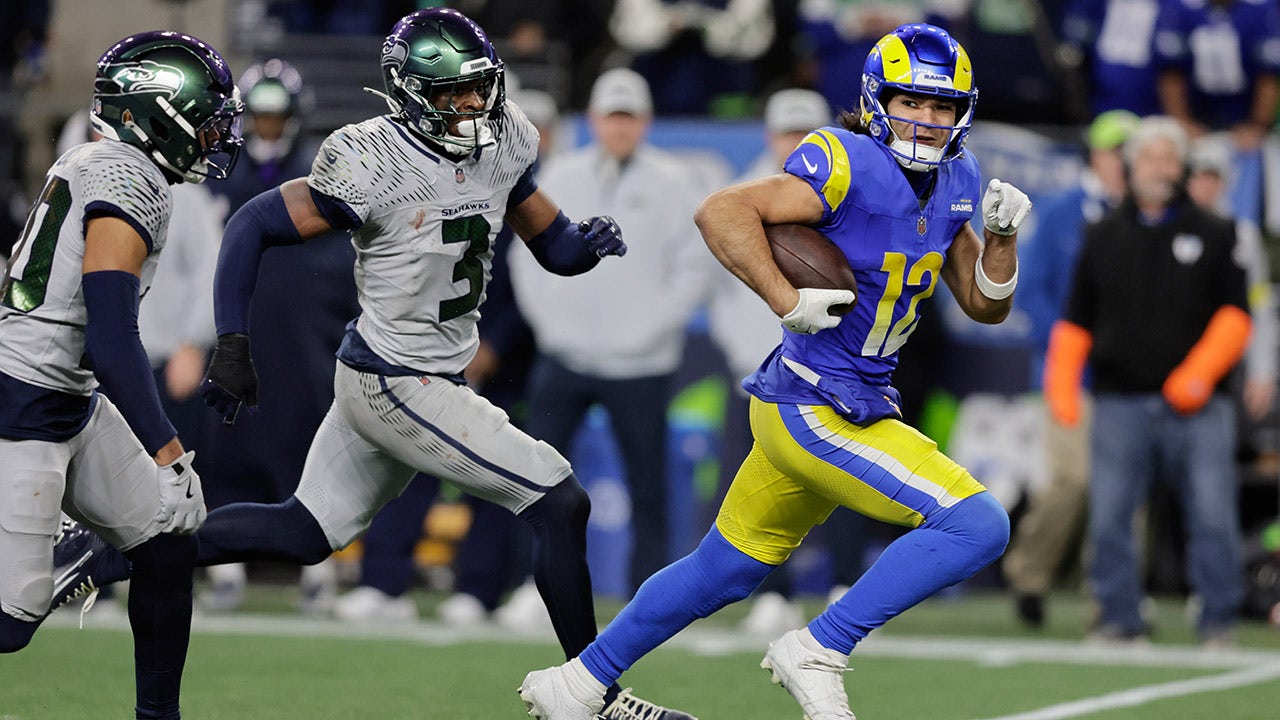
Los Angeles Rams wide receiver Puka Nacua recently stirred controversy, publicly criticizing NFL officials following his team’s 38-37 overtime loss to the Seattle Seahawks. This incident quickly escalated, compounded by an earlier antisemitic gesture during a livestream that prompted an apology and an NFL statement.
For investors, particularly those observing public-facing entities, the handling of such high-profile player conduct underscores significant reputational risks. The swift deletion of Nacua’s social media post highlights immediate damage control efforts.
While specific financial impact data is not disclosed, these events invariably affect player and league brand equity, influencing endorsement potential and fan engagement. His remarkable game performance, with 12 catches for 225 yards and two touchdowns, offered a stark contrast to his off-field issues.
This article delves into the immediate fallout, the league’s response, and the broader implications for player accountability and organizational integrity in professional sports, focusing on the broader Puka Nacua controversy.
In-Depth Analysis
The contemporary landscape dictates that public figures, from corporate CEOs to elite athletes like Puka Nacua, operate under an unrelenting spotlight. A sequence of controversies involving Nacua within a single week – initially labeling officials as “the worst” in a livestream, followed by a globally sensitive antisemitic gesture, and culminating in a post-game social media jab – underscores the potent and often volatile influence of digital platforms on public perception. This chain of events transcends mere player frustration; it reflects directly on the standards of professional conduct expected from individuals representing multi-billion dollar organizations such as the NFL. The swift deletion of Nacua’s critical X post serves as a textbook example of real-time crisis management, a tactic frequently employed by publicly traded companies to mitigate reputational damage.
Analyzing this situation through a lens akin to fundamental analysis in finance, Nacua’s repeated controversial statements and actions represent a tangible brand risk, not just for himself but for the Los Angeles Rams and the NFL. His detailed criticisms of officials, accusing them of seeking personal television exposure rather than fair play, although problematic in delivery, point to underlying frustrations within the game environment. More critically, the antisemitic gesture, regardless of his stated ignorance, triggered a rapid and unequivocal condemnation from both Nacua himself and the NFL. The league’s statement, affirming it “strongly condemns all forms of discrimination,” illustrates the paramount importance placed on protecting its overarching brand integrity. This proactive stance is vital for safeguarding revenue streams from sponsorships, advertising, and fan loyalty, mirroring how robust ESG frameworks are increasingly critical for investor confidence in publicly traded corporations.
While direct financial peer comparisons are not applicable here, Nacua’s situation reflects broader patterns of public conduct among professional athletes across various leagues. The NFL, akin to other major sports organizations, continually grapples with managing player expression while upholding its corporate image and brand value. Insider reports from NFL Network’s Ian Rapoport, suggesting an impending fine for Nacua’s comments, underline the league’s established disciplinary frameworks aimed at enforcing conduct standards. This dynamic, where exceptional on-field performance—such as Nacua’s 12 catches for 225 yards and two touchdowns—is weighed against off-field controversies, creates a nuanced narrative. It’s a challenge familiar to any entity reliant on public personalities, where individual actions directly influence collective reputation and future commercial prospects. [Suggested Matrix Table: Player Conduct & Brand Risk Assessment for Sports Entities]
For investors accustomed to assessing intangible assets and reputational capital, the Puka Nacua controversy offers a pertinent case study in brand risk management. Entities investing in sports endorsements, media rights, or the sports entertainment sector itself must meticulously evaluate how individual athlete conduct can profoundly influence brand alignment and public perception. This incident underscores the critical necessity for robust internal governance and agile crisis communication strategies within sports organizations to safeguard their long-term enterprise value. Investors should closely monitor the NFL’s enforcement of its conduct policies, as these decisions directly shape consumer trust and fan engagement—essential pillars supporting the sector’s profitability. The ongoing challenge lies in balancing individual player autonomy with collective corporate responsibility, a crucial indicator for sustainable growth.
About the Author