Key Takeaways
Nvidia AI Chip Sales China policy shift reviewed by US, with 25% fee. Analyze implications for tech rivalry, investor outlook, and 2025 risks.
Market Introduction
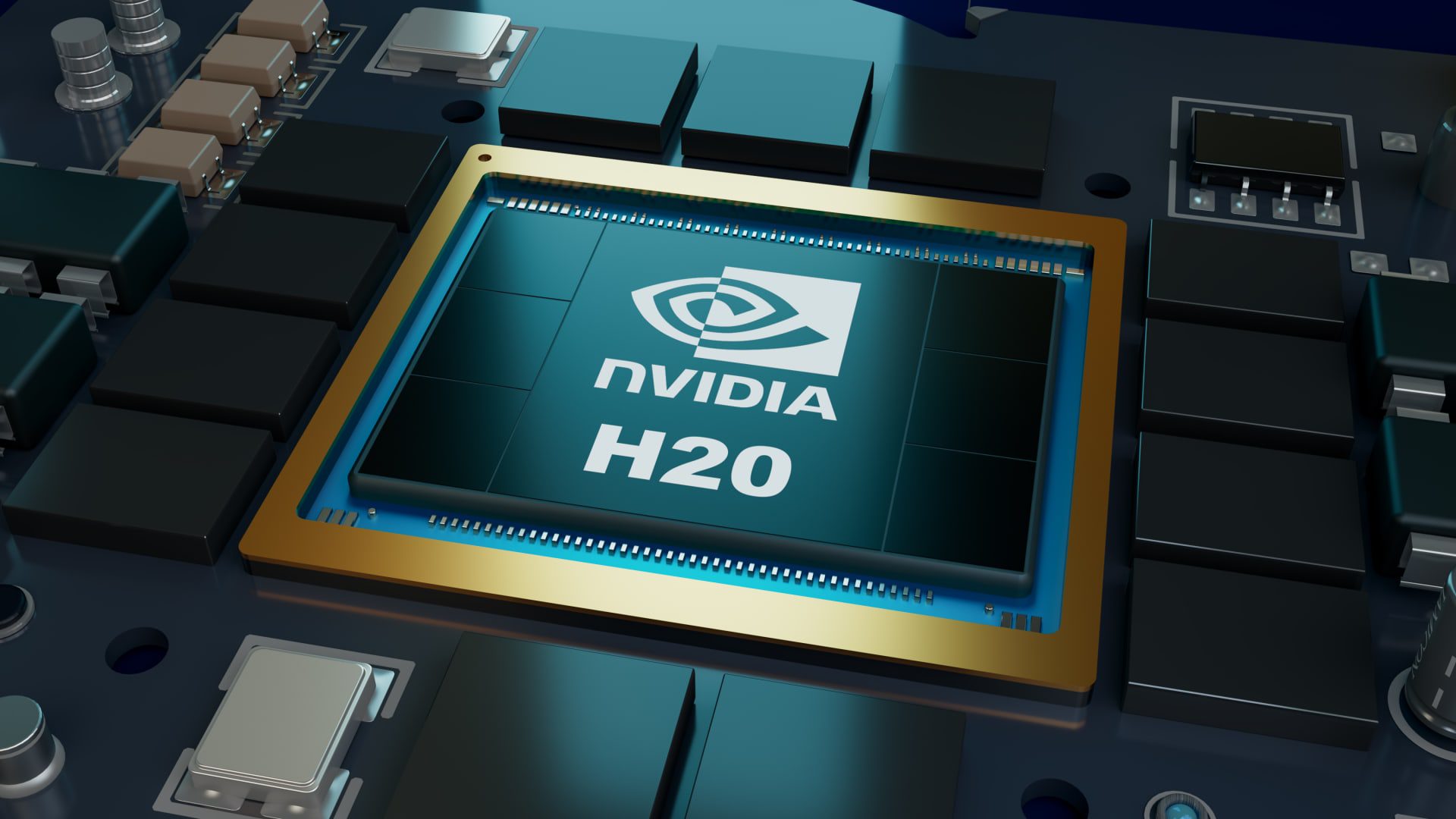
The U.S. government initiated a pivotal review, potentially paving the way for the first shipments of Nvidia AI chip sales China, specifically its advanced H200 series. This policy reversal, originating from the Trump administration, marks a significant departure from previous tech export restrictions.
This move profoundly impacts Nvidia’s market access, the intensifying U.S.-China technological rivalry, and broader investor sentiment in the semiconductor sector. A new 25% fee on these exports introduces a unique economic consideration and complicates revenue forecasts.
Specific stock price movements or direct financial metrics for Nvidia were not disclosed. However, increased H200 production signals potential revenue opportunities. Regulatory uncertainty and geopolitical scrutiny remain key investor concerns for 2025.
Investors should closely monitor the ongoing inter-agency review process and official Commerce Department statements for critical updates on this evolving dynamic.
In-Depth Analysis
The Trump administration’s decision to review advanced Nvidia AI chip sales to China signals a dramatic pivot from his first term’s hardline stance. Historically, the U.S. severely restricted Beijing’s access to American technology, citing concerns over intellectual property theft and potential military applications. This policy re-evaluation, reportedly spearheaded by White House AI czar David Sacks, introduces a novel strategic calculus for 2025. By considering sales of H200 chips, even with an added 25% fee, the U.S. government suggests a more nuanced approach. The underlying rationale posits that allowing access to slightly older, yet still advanced, U.S. chips might reduce China’s urgency to develop indigenous cutting-edge alternatives, thus potentially maintaining U.S. firms’ technological lead. This significantly re-evaluates global AI competition and national security interests, contrasting previous efforts to entirely choke off China’s access.
While specific fundamental metrics like Nvidia’s EBITDA margin or P/E ratio, directly tied to this news, are not yet publicly available, the policy shift inherently impacts the revenue potential and market dynamics for key players. The H200 chip, though acknowledged as slower than Nvidia’s flagship Blackwell series, remains a powerful AI accelerator, widely adopted across the industry. Its previous ban in China represented a significant missed market opportunity for Nvidia. Allowing these sales, even with the mandated 25% U.S. government fee, could unlock a substantial revenue stream for the company. This strategic move potentially bolsters Nvidia’s position in the global AI chip market by capturing demand that might otherwise flow towards domestically produced Chinese alternatives or lesser-capable solutions. However, the associated national security concerns and ongoing political debate could introduce considerable regulatory uncertainty, potentially affecting long-term investment valuation. This scenario presents a complex risk-reward profile, balancing potential short-term sales gains against geopolitical scrutiny and the prospect of future policy reversals.
This policy adjustment carries distinct implications for the competitive landscape within the global semiconductor and AI sectors. For Nvidia, securing H200 sales in China could solidify its near-term market share against aspiring local contenders like Huawei, who actively develop advanced AI chips. The White House’s rationale suggests continued U.S. supply could disincentivize China from “redoubling efforts” to catch up with Nvidia and AMD’s most advanced chip designs, effectively slowing domestic innovation in Beijing. AMD, a key competitor, also closely monitors U.S. export policy changes. The industry trend clearly points to insatiable demand for AI compute power, indicating a nuanced approach to managing that demand alongside national security imperatives. Regulatory uncertainty, however, remains a persistent factor, influencing long-term R&D investment and supply chain decisions. [Suggested Matrix Table: AI Chip Market Dynamics – Nvidia, AMD, Huawei across Market Access, Innovation Pace, Geopolitical Risk]
For retail and institutional investors tracking the semiconductor space, this development presents both opportunities and heightened risks. Nvidia’s potential to significantly increase H200 production and sales to China represents a tangible revenue opportunity, especially given strong initial demand from Chinese firms. However, inherent political volatility surrounding U.S.-China tech relations means future policy shifts remain a considerable risk factor. Investors should closely monitor the inter-agency licensing review, involving the State, Energy, and Defense Departments, which has a 30-day input window. Disagreements among these agencies could elevate the decision to President Trump, introducing further uncertainty. Key events include official Commerce Department announcements regarding license approvals and any potential countermeasures from Beijing. Navigating this landscape requires a keen eye on geopolitical currents alongside traditional financial metrics for astute investment decisions.
About the Author