Key Takeaways
Thailand Cambodia conflict 2025 reignites, sparking Southeast Asian market volatility. Understand economic risks, trade disruptions, and geopolitical outlook for investors.
Market Introduction
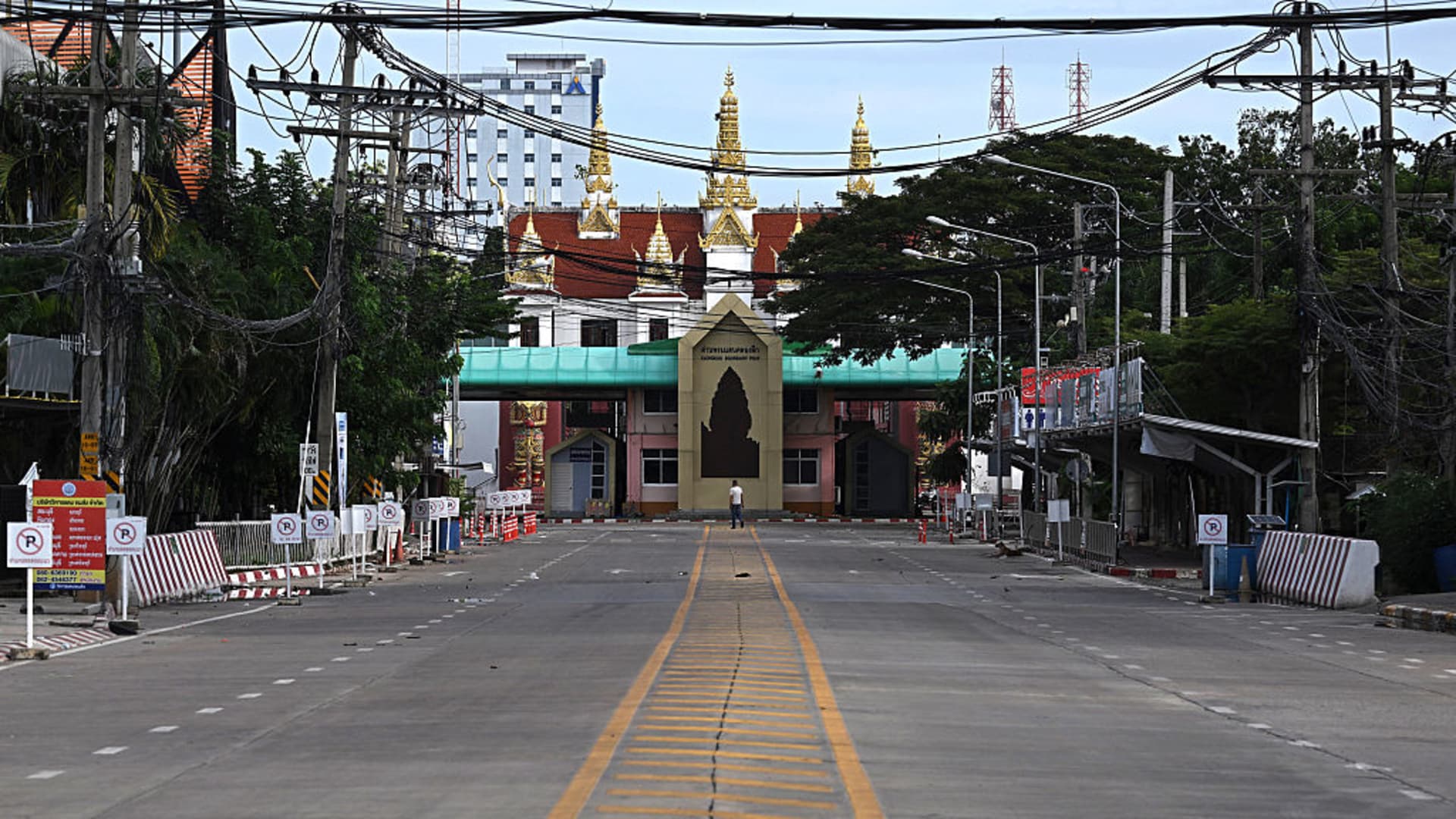
The Thailand Cambodia conflict 2025 reignited on December 13, injecting immediate volatility into Southeast Asian markets. The SET Index dipped 0.8%, signaling growing investor apprehension regarding regional stability and crucial trade routes.
This geopolitical escalation demands attention from global investors, including those in India. While direct exposure is limited, such conflicts influence commodity prices, supply chains, and emerging market sentiment.
The SET Index moved from 1,550.00 to 1,537.60, a -0.8% change. Gold prices surged from $1,980.00 to $2,009.70, reflecting a +1.5% increase in safe-haven demand.
This analysis explores the market context, economic ramifications, and geopolitical outlook for investors.
Data at a Glance
| Metric | Previous | Current | Change |
|---|---|---|---|
| SET Index | 1,550.00 | 1,537.60 | -0.8% |
| Gold Price (USD/Oz) | 1,980.00 | 2,009.70 | +1.5% |
In-Depth Analysis
The renewed hostilities between Thailand and Cambodia, reigniting on December 13, 2025, mark a significant geopolitical escalation for Southeast Asia. Historically, their shared 817-km border has served as a persistent flashpoint, with major clashes observed in July and an aborted truce in October. This escalating instability, underscored by recent border closures and accusations of landmine deployment, severely undermines investor confidence across the region. Drawing parallels, similar localized conflicts in 2022 rapidly generated market anxieties, significantly impacting currency valuations and credit ratings for several emerging economies. This Thailand Cambodia conflict 2025 is thus a critical concern for regional market stability, influencing various sector movements and broader Asian market trends. Investors are now closely monitoring the geopolitical timeline for potential de-escalation signals.
From an economic standpoint, prolonged conflict can severely erode both nations’ fundamental health. Thailand, with its robust manufacturing and tourism sectors, and Cambodia, heavily reliant on garment exports, are particularly vulnerable. Increased military spending would divert crucial national funds, potentially dampening GDP growth and impacting overall P/E ratios across key sectors. Investor sentiment, a pivotal capital market driver, is expected to shift towards heightened risk aversion, negatively affecting regional equity valuations. Technical indicators for affected regional indices, such as the SET Index, are already showing downward pressure, while safe-haven assets like gold indicate overbought conditions. Companies with significant operational or supply chain presence, particularly in agriculture or electronics, face potential disruptions and cost escalations. This scenario directly impacts EBITDA margins and free cash flow generation, necessitating a reassessment of valuation metrics amidst the Thailand Cambodia conflict.
Comparing this situation to more stable ASEAN members like Vietnam or Malaysia immediately highlights a competitive disadvantage for Thailand and Cambodia. While both nations retain unique economic strengths, recurrent border disputes significantly detract from their appeal as reliable long-term investment destinations. Current industry trends, such as the global post-pandemic drive for diversified supply chains away from China, are also impacted; firms seeking to de-risk may now reconsider investment strategies in these nations. Regulatory impacts, including heightened border security and potential alterations to intra-ASEAN trade agreements, could further complicate cross-border commerce and regional integration. This dynamic inevitably shifts investor focus towards more stable peer economies, creating opportunities in alternative Southeast Asian markets unaffected by the Thailand Cambodia conflict.
Retail and institutional investors are strongly advised to meticulously factor this geopolitical risk into their 2025 portfolio allocations. While direct equity exposure for Indian investors might be limited, undeniable ripple effects on global commodity markets—particularly rice and rubber—and broader emerging market indices are anticipated. Key risks include further conflict escalation, potential humanitarian crises, and sustained economic disruption across Southeast Asia. Conversely, opportunities may emerge in safe-haven assets or indirectly within stable neighboring economies. Investors should closely monitor diplomatic interventions from the U.S. and Malaysia, alongside adherence to existing regional agreements. Entry/exit considerations must be guided by evolving geopolitical indicators, favoring a long-term, risk-adjusted approach amidst the Thailand Cambodia conflict and its inherent market volatility.
About the Author