Key Takeaways
SEBI debates asset disclosure for officials, citing privacy concerns. Learn why this crucial decision, impacting transparency and market integrity, is vital for Indian investors in 2025.
Market Introduction
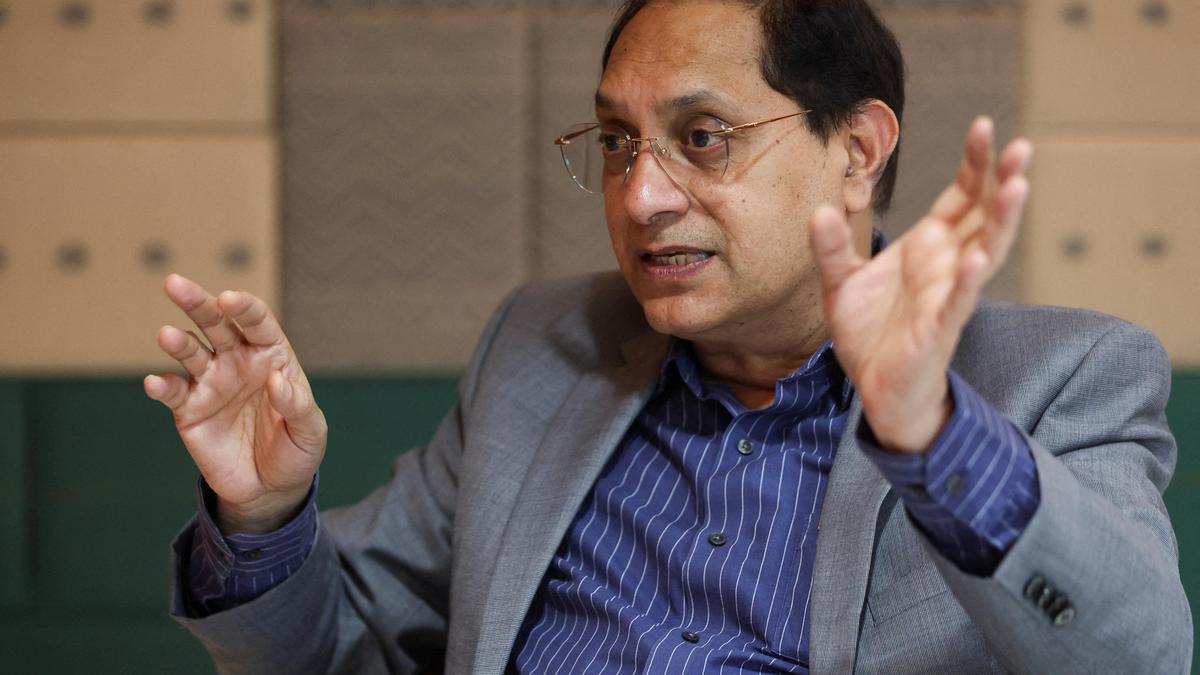
SEBI Chairperson Tuhin Kanta Pandey has cited significant privacy concerns regarding a panel’s proposal for senior officials’ financial asset disclosure, a move aimed at bolstering transparency. This critical discussion highlights the regulator’s internal debate on balancing public accountability with individual privacy rights within India’s financial ecosystem.
For investors, this policy shift on SEBI asset disclosure holds substantial implications for market integrity and governance. Increased transparency could foster greater trust, especially after past conflict-of-interest allegations.
The proposal impacts chief general managers, executive directors, whole-time members, and the chairperson. The SEBI board will review it on December 17, 2025.
Our analysis explores the inquiry’s origins, board considerations, and the broader outlook for regulatory transparency.
In-Depth Analysis
The Securities and Exchange Board of India (SEBI), a cornerstone of India’s financial market regulation, is currently navigating a delicate balance between enhancing transparency and safeguarding individual privacy. The catalyst for this crucial debate emerged earlier this year following conflict-of-interest allegations against former SEBI chairperson Madhabi Puri Buch by the now-defunct Hindenburg Research. These claims, though denied by both Buch and the Adani group, underscored the critical need for an updated conflict-management framework within the regulator. A specially constituted panel responded last month with significant recommendations, chief among them a proposal for senior SEBI officials, including the chairperson, to publicly disclose their financial assets and liabilities. This initiative reflects a broader global trend towards greater corporate governance and regulatory accountability, especially in sensitive financial sectors. The outcome of this decision will set a precedent for future regulatory practices in Indian markets.
SEBI Chairperson Tuhin Kanta Pandey acknowledged the panel’s intent to strengthen transparency and accountability, particularly for roles like chief general managers, executive directors, and whole-time members. However, he highlighted significant internal privacy concerns among officials regarding public disclosure, even though they are comfortable sharing such details internally with an independent office. This internal resistance points to a fundamental tension: the public good derived from transparent financial asset disclosure versus the individual right to privacy. From a governance perspective, mandatory disclosures could significantly enhance SEBI’s trustworthiness and mitigate potential conflict-of-interest scenarios, reinforcing its regulatory authority. Conversely, officials argue such mandates are not enforced on other Indian authorities, questioning the necessity of a unique obligation for SEBI personnel. Pandey affirmed that a conflict-management framework for SEBI’s policy-making and investigative functions is both workable and should be implemented, irrespective of the public disclosure decision.
The current debate on SEBI asset disclosure places India’s market regulator at a unique juncture compared to other Indian governmental or statutory bodies. While high-ranking public officials often file asset declarations, the extent of public disclosure varies significantly, and SEBI officials note a lack of similar mandates across other Indian authorities. This discrepancy raises questions about equitable application of transparency standards across the regulatory landscape. The financial sector, by its nature, demands heightened vigilance against conflicts of interest due to its direct impact on public wealth and market stability. Comparing SEBI’s potential move with international regulatory benchmarks reveals a mixed picture; some global bodies mandate extensive public disclosures, while others maintain internal-only protocols. SEBI’s decision will thus influence the benchmark for financial accountability within India’s broader regulatory environment, potentially encouraging similar considerations in peer organizations.
The SEBI board’s decision on December 17, 2025, regarding the asset disclosure proposal, carries significant weight for retail and institutional investors alike. A move towards greater public transparency in SEBI asset disclosure could be perceived positively, enhancing confidence in the regulator’s impartiality and strengthening market integrity. Conversely, if privacy concerns prevail, SEBI risks facing ongoing scrutiny regarding potential conflicts of interest, potentially impacting its perceived authority. Key events to watch include the final board resolution and any subsequent guidelines issued regarding the conflict-management framework. The chairperson also signaled broader discussions on unifying regulatory frameworks and eligibility criteria for all fund managers—mutual funds, portfolio management services, and alternative investment funds—suggesting a holistic approach to financial sector oversight. This proactive engagement underscores SEBI’s commitment to evolving governance standards.
About the Author