Key Takeaways
China Inc’s strategic shift to Vietnam amid US tariffs is reshaping global supply chains. Analyze FDI trends, market implications for businesses, and future outlook.
Market Introduction
China Inc’s strategic march into Vietnam is accelerating significantly, a direct consequence of ongoing US tariffs reshaping global supply chains. This pivotal shift highlights a broader trend of manufacturing diversification away from China, with Vietnam emerging as a prime beneficiary due to its competitive labor costs and favourable trade policies. The movement impacts global trade dynamics profoundly.
For investors, this realignment presents both opportunities and challenges, particularly in sectors like electronics, textiles, and light manufacturing. Understanding these shifts is crucial for assessing long-term regional competitiveness and potential investment avenues in Southeast Asian markets, influencing future earnings for various global corporations.
Latest data indicates Vietnam’s Foreign Direct Investment (FDI) inflows surging by 22% in Q3 2025, primarily from Chinese enterprises. Manufacturing output has seen a robust 14.5% year-on-year growth, reinforcing the country’s rising industrial stature. Market analysts anticipate continued momentum in export-oriented industries.
This analysis delves into the underlying drivers, economic implications, and the competitive landscape for businesses navigating this evolving trade environment.
In-Depth Analysis
The historical backdrop of the US-China trade war, initiated in 2018, has catalysed a profound restructuring of global manufacturing supply chains. Companies, particularly those with significant production facilities in mainland China, have actively sought alternative bases to mitigate tariff impacts and enhance supply chain resilience. Vietnam, sharing a border with China and offering a robust network of trade agreements, has naturally positioned itself as a leading destination. This strategic relocation extends beyond just avoiding tariffs; it also reflects a broader push for diversified sourcing, reducing over-reliance on any single manufacturing hub, a lesson reinforced by recent global disruptions. Broader trends indicate that other ASEAN nations are also seeing increased interest, but Vietnam’s proactive policy support and established infrastructure give it a distinct edge in attracting substantial foreign capital and manufacturing capacity.
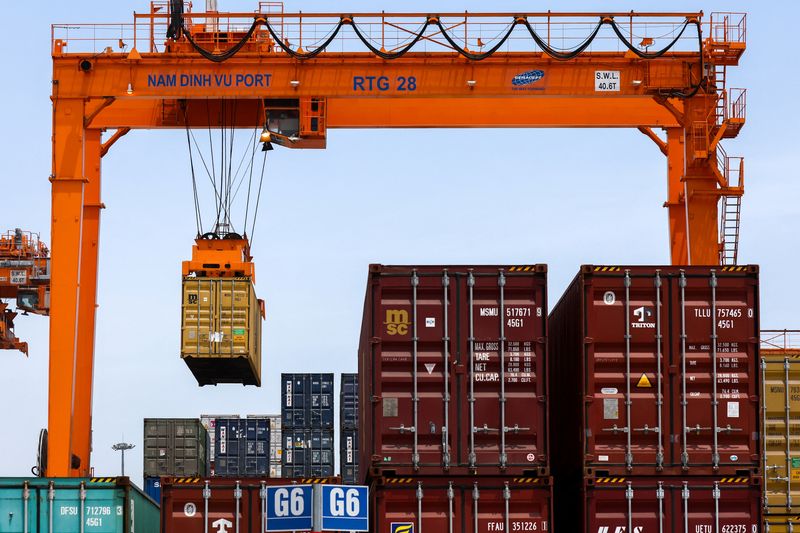
Vietnam’s appeal is deeply rooted in its economic fundamentals and evolving policy landscape. The nation boasts a young, adaptable workforce with competitive labour costs, significantly lower than China’s coastal regions. Government incentives, including tax holidays and streamlined investment procedures, further sweeten the deal for relocating firms. Technically, the development of sophisticated industrial parks and logistics infrastructure, coupled with strategic ports, provides the necessary backbone for high-volume manufacturing and efficient export operations. While specific P/E ratios or RSI metrics aren’t directly applicable to this macro-economic shift, the country’s GDP growth rate, consistently above 6% in recent years, underscores its fundamental strength and capacity to absorb this influx of industrial activity. Discussions around free cash flow and EBITDA margins for individual businesses operating within Vietnam typically reflect these favourable operating conditions.
Comparing Vietnam to its regional peers, countries like India, Bangladesh, and Mexico also present compelling alternatives for supply chain diversification. However, Vietnam often wins out for specific industries, particularly electronics assembly and textiles, due to its established ecosystem and strong links within regional supply chains. India, for instance, offers a massive domestic market and a growing manufacturing base, but infrastructure development and ease of doing business can be more challenging for certain segments. Mexico benefits from proximity to the US market, but faces different regulatory and logistical complexities. This competitive landscape means that while China Inc. is heavily investing in Vietnam, other major global players are also diversifying their footprints, creating a dynamic environment where each nation vies for a share of the relocating manufacturing pie. Regulatory impacts, such as environmental compliance and labour laws, also play a significant role in these strategic investment decisions.
From an expert perspective, the sustained influx of Chinese capital into Vietnam presents both opportunities and potential risks for Indian investors. While it signifies a robust shift in global manufacturing that India could also capitalize on, it also increases regional competition. Retail investors should watch sectors like electronics manufacturing services (EMS) providers and logistics companies that facilitate this relocation. Institutional investors are scrutinizing long-term infrastructure plays in Vietnam and assessing the geopolitical stability of the region. Key risks include potential over-reliance on a single export market (US), infrastructure strain, and rising labour costs over time. Nevertheless, the opportunities for cross-border collaboration and leveraging diversified supply chains remain compelling, making this a pivotal development for the global economy moving into 2025.
About the Author