Key Takeaways
Explore the US-Saudi trade outlook for 2025 focusing on AI & defense. Understand MBS’s visit impact on investments and Vision 2030. Get expert insights.
Market Introduction
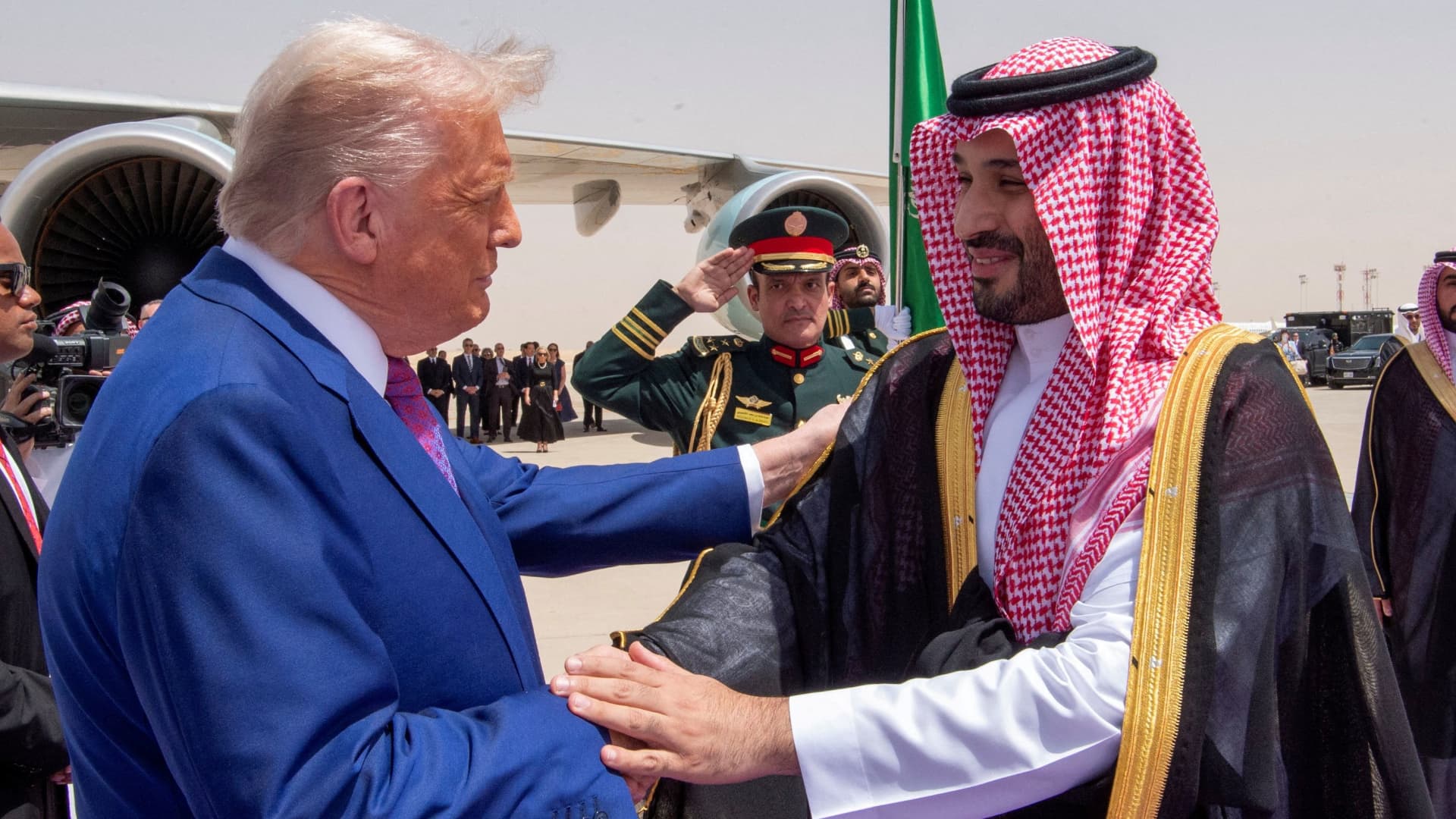
US-Saudi trade outlook for 2025 is poised for strategic alignment, driven by MBS’s US visit focusing on AI, trade, and defense. This engagement promises significant cooperation, shaping future economic relations.
This visit is crucial for investors seeking to understand the future trajectory of US-Saudi economic relations and investment opportunities stemming from Vision 2030 reforms.
Analysts anticipate increased Saudi purchases of US goods and services, alongside greater US investment, with AI and tech emerging as key growth areas. As of market close today (Nov 12, 2025), markets await concrete outcomes.
We delve into the implications for bilateral trade and technological advancement.
In-Depth Analysis
The impending visit of Saudi Crown Prince Mohammed bin Salman (MBS) in November 2025 marks a strategic shift towards pragmatic economic partnerships, underscoring a commitment to bolstering trade and investment between the US and Saudi Arabia. The US-Saudi Investment Forum will serve as a pivotal platform to formalize these burgeoning economic ties, fostering a reciprocal flow of investment and trade. This renewed focus reflects the evolving geopolitical landscape and economic imperatives, moving beyond traditional oil-based economies and setting a new precedent for bilateral cooperation. Analysts, such as Tim Callen, anticipate this engagement will solidify and expand existing commitments, potentially reshaping investment portfolios in key growth sectors like AI and nuclear energy. Historical patterns suggest a growing emphasis on technological integration in bilateral trade agreements.
From a fundamental analysis perspective, the deepening defense, trade, and technology ties present significant upside potential. Saudi Arabia’s commitment of $600 billion in trade and investment signifies its economic ambition. Key metrics for investors to monitor include the volume of new trade deals, particularly in AI and nuclear energy, crucial for Vision 2030. For US companies, enhanced market access and substantial contract opportunities in defense and infrastructure are attractive. Robust revenue growth potential for US firms specializing in AI, cybersecurity, and advanced manufacturing is anticipated, potentially impacting EBITDA margins and stock valuations positively. The article suggests a strong likelihood of increased Saudi investment in US products, driven by an improving investment climate and Vision 2030 reforms, aligning with broader digital transformation trends.
Strategically, Saudi Arabia’s alignment with the US is strengthened, especially in a region where regional influences are shifting. The nation’s commitment to AI aligns with global technological trends, though it faces competition from other nations vying for technological leadership. Peer nations in the Middle East, such as the UAE and Israel, are also actively pursuing foreign investment and technological partnerships, vying for market share in AI development and semiconductor manufacturing. Saudi Arabia’s success in attracting and retaining investment will hinge on its ability to leverage its financial resources and strategic location, while navigating human rights and governance concerns. Hosting major global events, like the 2034 World Cup, reflects broader ambitions for global engagement and image rehabilitation, potentially impacting market share and foreign direct investment.
The expert takeaway points to increased Saudi investments and purchases of US products, with investor sentiment closely tied to the concrete outcomes of upcoming meetings. Key risks include geopolitical shifts, persistent human rights concerns, and the efficacy of Vision 2030 implementation. However, the opportunities arising from Saudi Arabia’s economic transformation and its strategic importance to the US are substantial. Investors should closely monitor developments in AI, renewable energy, and defense sectors. The potential for significant growth in US investments into Saudi Arabia warrants careful consideration for long-term portfolio diversification and enhanced returns, particularly in AI and advanced technology sectors, as highlighted by current market analysis.
About the Author