Key Takeaways
FEMA’s acting head resigns amid 2025 hurricane season. Analyze the impact on disaster response, agency stability, and investor outlook for critical sectors.
Market Introduction
FEMA’s acting head resigns ahead of the critical 2025 hurricane season, sparking investor concern over disaster preparedness and agency stability. This leadership vacuum demands close scrutiny.
This development is crucial as effective disaster management directly impacts economic stability, particularly for insurance and construction sectors heavily reliant on FEMA’s operational capacity and timely aid.
Key metrics on FEMA’s capacity and budget are under scrutiny. A September GAO report detailed recent employee attrition figures, signaling potential operational strain. Market analysts are watching closely.
This analysis delves into the resignation’s impact and FEMA’s future outlook.
In-Depth Analysis
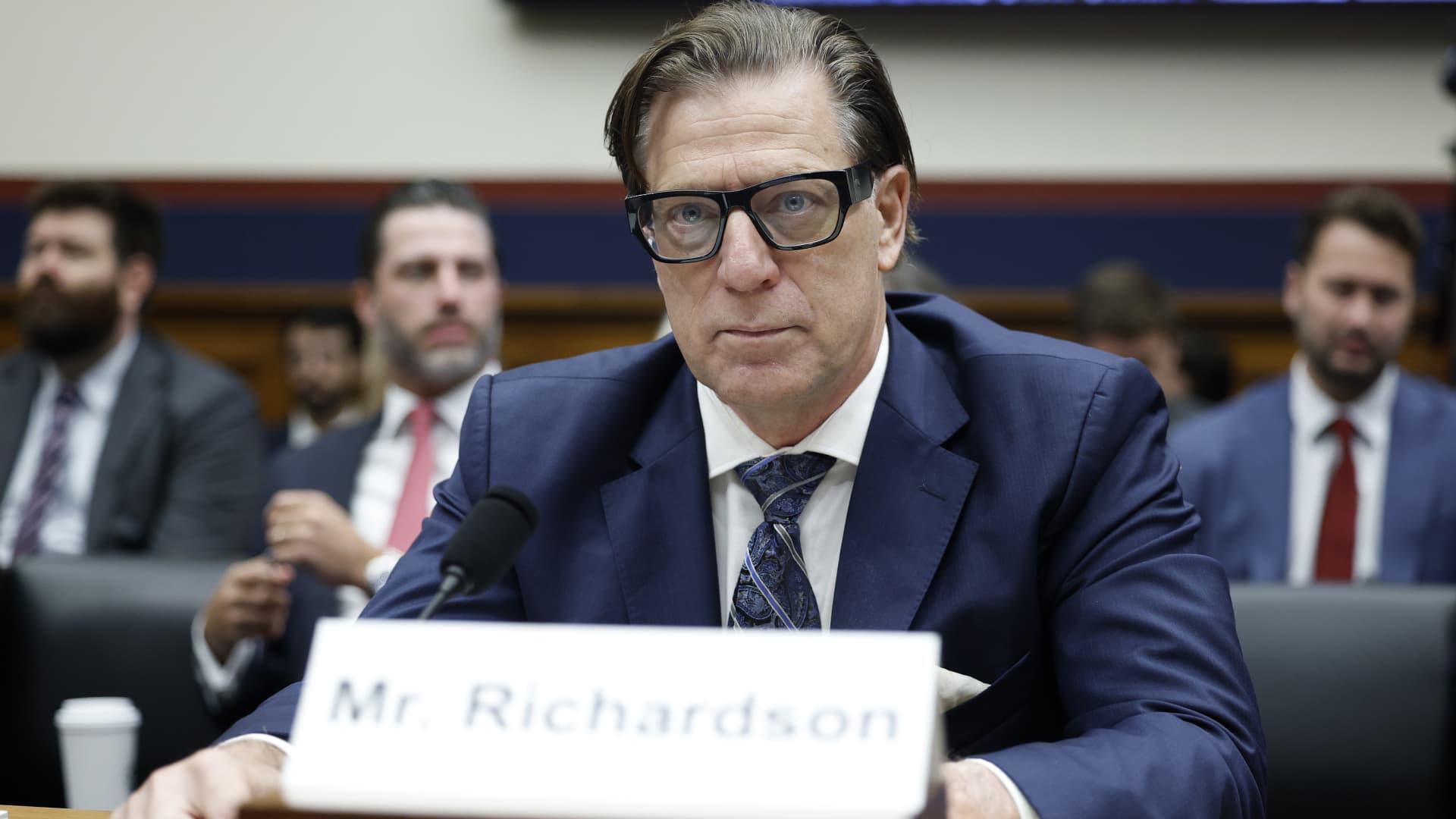
The unexpected resignation of David Richardson as acting FEMA administrator, after just six months, introduces considerable instability into a critical national agency, especially with the 2025 Atlantic hurricane season looming. Richardson’s tenure faced public criticism, including a muted response to severe Texas floods and questions about his awareness of hurricane season timing. This uncertainty is compounded by the previous administrator’s dismissal in May, reportedly due to opposition to downsizing efforts. Historically, frequent leadership changes within essential governmental bodies like FEMA can hinder policy execution and reduce operational effectiveness, consequently impacting market confidence in sectors that depend on government support during natural disasters. The current climate underscores a broader need for governmental operational resilience.
From a fundamental perspective, Richardson’s departure necessitates a deeper evaluation of the administration’s long-term strategy for FEMA, particularly in light of past proposals to decentralize its functions and transfer authority to state governments. This strategic ambiguity could directly affect FEMA’s budgetary allocations and its future capacity for robust crisis response. While FEMA’s performance isn’t measured by stock prices, its operational readiness is vital for post-disaster economic recovery. The agency’s role in infrastructure rebuilding and aid distribution significantly influences the construction, insurance, and materials industries. The absence of a clear successor creates a strategic void, complicating future operational readiness assessments for all stakeholders. Investors should monitor budgetary discussions closely.
Direct comparisons between FEMA’s current situation and other national or international disaster response organizations are difficult due to its unique mandate and political landscape. However, recurring themes of leadership flux and potential downsizing mirror trends observed in other federal departments undergoing administrative restructuring. Private sector entities, such as large construction firms and insurance conglomerates involved in disaster recovery, might find opportunities amid this governmental uncertainty, although they also face risks tied to unpredictable federal contracts. The September GAO report, indicating a substantial reduction in FEMA staff since January, highlights the agency’s shrinking operational footprint and its implications for overall capacity. Sector-specific impacts on insurance and construction remain a key focus.
The primary recommendation for investors and the public is to remain vigilant. Richardson’s resignation, coupled with the administration’s stated goals to scale back FEMA’s responsibilities, presents both significant risks and potential opportunities. Risks include a potential decrease in federal disaster response capabilities, which could worsen economic disruptions and increase reliance on private sector solutions. Opportunities may emerge for states and private companies to assume roles previously managed by FEMA, depending on federal policy and funding decisions. Key developments to monitor include the appointment of a new FEMA administrator and any legislative or executive actions shaping the agency’s future operational framework.
About the Author