Key Takeaways
Analyze Mexico’s Gen Z protests impact on 2025 investor outlook. Get insights on economic risks, emerging market implications, and strategies.
Market Introduction
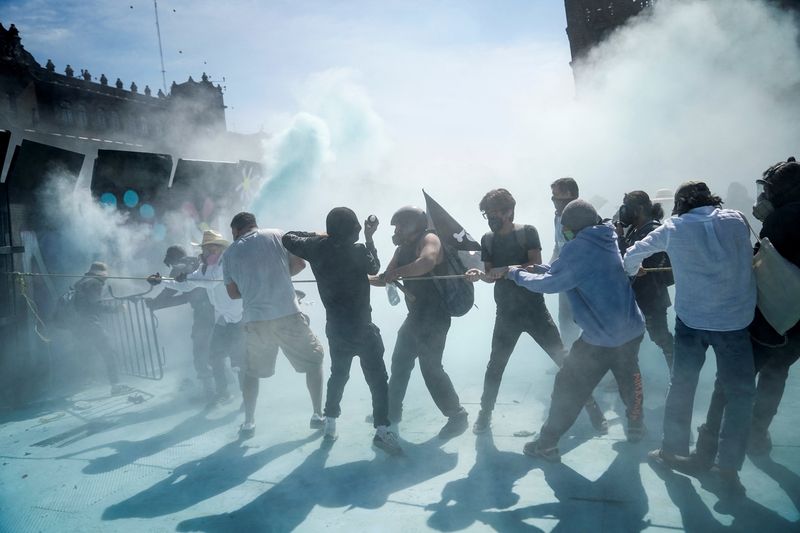
Mexico’s Gen Z protests are surging, signaling significant political risk for emerging markets in 2025. This analysis covers the investor outlook, potential economic impact, and key implications for developing economies worldwide. The situation demands careful observation as social tensions rise.
This unrest highlights growing social tensions, which could spill over into Mexico’s economy, affecting trade, tourism, and overall investor confidence. Emerging markets often experience volatility during such periods, making Mexico a key watchpoint.
Key metrics to watch include the Mexican Peso’s (MXN) performance, foreign exchange reserves, and government bond yields. The IPC index may see shifts based on these developments.
Our in-depth analysis explores the market ramifications and investor strategies for 2025.
In-Depth Analysis
Mexico’s recent surge in Gen Z protests, triggered by a local mayor’s assassination, creates a complex environment for regional stability and investor sentiment. This situation mirrors broader global trends of youth-led activism amplified by social media. Historical patterns suggest that emerging markets facing heightened political instability often experience increased market volatility, impacting currency exchange rates, foreign direct investment, and equity valuations. Investors must carefully assess how this domestic turmoil might influence Mexico’s economic trajectory and its appeal as an investment destination, especially when contrasted with periods of past stability. This demands a thorough evaluation, drawing parallels to previous social unrest in Latin America. As of Q3 2024, initial market reactions indicate cautious sentiment among international funds, suggesting a wait-and-watch approach by many global portfolio managers.
From a fundamental viewpoint, sustained protests could disrupt local economies, potentially impacting supply chains and consumer spending, particularly in directly affected regions. While the immediate financial impact on major listed Mexican companies might be limited, prolonged unrest could lead to a reassessment of risk premiums by international investors. Monitoring key metrics such as the Mexican Peso’s (MXN) performance against major currencies, foreign exchange reserves, and government bond yields is crucial for tracking investor sentiment. Mexico’s reliance on tourism and manufacturing exports makes it particularly susceptible to socio-political disruptions, affecting revenue growth and profit margins for affected sectors. Technical indicators like the Relative Strength Index (RSI) might show increased volatility as market participants react, potentially signaling oversold conditions if panic selling occurs, and this needs close monitoring by traders.
Comparing Mexico’s current predicament with peer nations in Latin America is vital for a comprehensive assessment. Countries like Brazil and Colombia, which have navigated periods of social unrest, offer valuable comparative data on economic resilience and post-crisis recovery patterns. Analysts are closely observing how Mexican companies are managing their operations amidst these challenges, especially those with significant domestic exposure. The performance of sectors such as retail, hospitality, and specific industrial manufacturing segments will serve as key indicators of broader economic health. Regulatory clarity and governmental responses to the protests will also significantly influence investor confidence and the competitive landscape, impacting market share and overall sector valuations in the long term.
The expert consensus suggests a cautious approach for investors heading into 2025. While the immediate impact on the broader Mexican stock market, represented by the IPC index, may be contained, long-term implications hinge on the government’s ability to restore order and address underlying grievances. Opportunities may emerge in sectors less exposed to domestic consumption or within companies demonstrating robust crisis management capabilities. Key risks include further escalation of protests, potential policy shifts affecting foreign investment, and a sustained dip in consumer confidence. Investors should closely monitor upcoming economic data releases and political developments, considering a diversified portfolio approach to mitigate country-specific risks and enhance portfolio resilience.
About the Author