Key Takeaways
GE Vernova & Siemens Energy in talks for Syria’s gas turbines. Analyze the 2025 outlook, market impact, and key investment insights for these giants.
Market Introduction
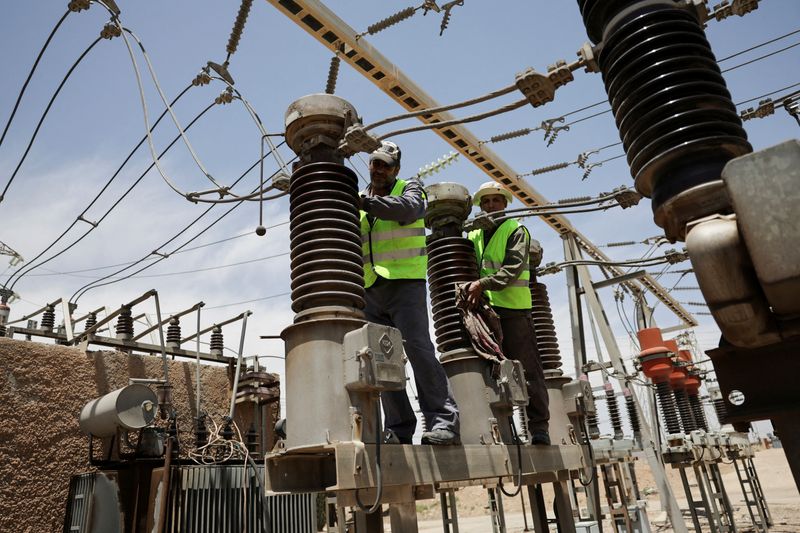
GE Vernova & Siemens Energy are in talks for Syria’s reconstruction gas turbines, a pivotal development for the nation’s energy infrastructure and a key event for 2025. Analysts are closely monitoring the potential market impact and investment avenues for these industrial giants.
This deal signifies potential new revenue streams, highlighting the influence of geopolitical factors on global energy projects and offering a lens into post-conflict reconstruction opportunities valued in the multi-million dollar range.
As of market close today (Nov 12, 2025), comparable projects suggest potential valuations, with market sentiment cautiously optimistic pending regulatory approvals and financing confirmations.
This analysis delves into the strategic implications for GE Vernova (GEV) and Siemens Energy (SIEGY) and their 2025 outlook.
In-Depth Analysis
The potential collaboration between GE Vernova and Siemens Energy for Syria’s reconstruction gas turbines represents a significant development in rebuilding the nation’s war-torn energy sector. Historically, Syria’s power infrastructure has suffered extensive damage, leading to chronic blackouts and hindering economic progress. Current discussions signal an international effort to establish a stable, efficient energy grid. If successful, this project could serve as a model for future reconstruction endeavors in conflict zones, underscoring the critical role of advanced energy technology in societal rebuilding and economic resurgence. Such large-scale initiatives are typically multi-year processes, involving intricate phases from assessment and procurement to installation and operationalization, demanding substantial international cooperation and robust funding. Historical patterns in post-conflict reconstruction show a phased approach, often taking years to stabilize and modernize infrastructure, making the 2025 outlook for this project a critical indicator.
From a fundamental analysis perspective, the financial viability of this potential deal for GE Vernova (GEV) and Siemens Energy (SIEGY) hinges on factors like contract specifics, supply chain efficiency, and long-term maintenance agreements. Key financial metrics investors will watch include projected revenues from turbine sales, installation services, and ongoing support. Although precise financial guidance is unavailable, the EBITDA margins typical of such large industrial projects are crucial. Analysts will scrutinize balance sheets for potential impacts on debt levels and free cash flow. The inherent geopolitical risks in Syria will necessitate higher risk premiums in valuation models, affecting projected earnings per share and overall market capitalization. As of market close today (Nov 12, 2025), industry benchmarks suggest that large infrastructure projects in volatile regions carry elevated risk premiums impacting valuation metrics like P/E ratios.
Comparing GE Vernova and Siemens Energy in the competitive global industrial gas turbine market, both are established leaders with significant shares in power generation and oil & gas. Siemens Energy, noted for its recent strength in grid technology and turbine manufacturing, is a strong contender. GE Vernova, with its extensive history and focus on innovation, also holds a powerful market position. The broader industrial sector is trending towards more efficient, sustainable energy solutions, which will likely influence the choice of turbine technologies for Syria. Furthermore, prevailing regulatory environments and any existing sanctions on international trade with Syria will critically shape negotiation outcomes and influence other potential global suppliers. Competitors like Mitsubishi Power are also active in this space, though this specific deal focuses on GE and Siemens.
Expert insights suggest that while the humanitarian and economic implications of Syria’s reconstruction are substantial, investors should maintain cautious optimism regarding the 2025 outlook. The prospect of significant revenue generation is tempered by the considerable risks associated with large infrastructure projects in complex geopolitical arenas. Opportunities for sustained, recurring revenue from maintenance and future upgrades are notable. However, risks include project delays, unforeseen cost overruns, and political volatility. Investors targeting long-term growth should possess a high tolerance for geopolitical risk. Key events to monitor include formal contract announcements, initial project funding disbursements, and progress on regulatory approvals from international bodies and Syrian authorities. Institutional investors often require robust risk mitigation strategies before committing capital to such ventures.
About the Author